Equipping a professional kitchen demands precision, power, and unwavering reliability. At the heart of any bustling restaurant is the commercial gas stove, a workhorse capable of handling the intense demands of high-volume cooking. Choosing the right one is a critical decision that impacts efficiency, safety, and ultimately, the quality of your culinary creations. With over a decade of hands-on experience in gas stove technology, from everyday household models to robust industrial units, I’m here to share practical insights to help you navigate the market and select the ideal commercial gas stove for your establishment.
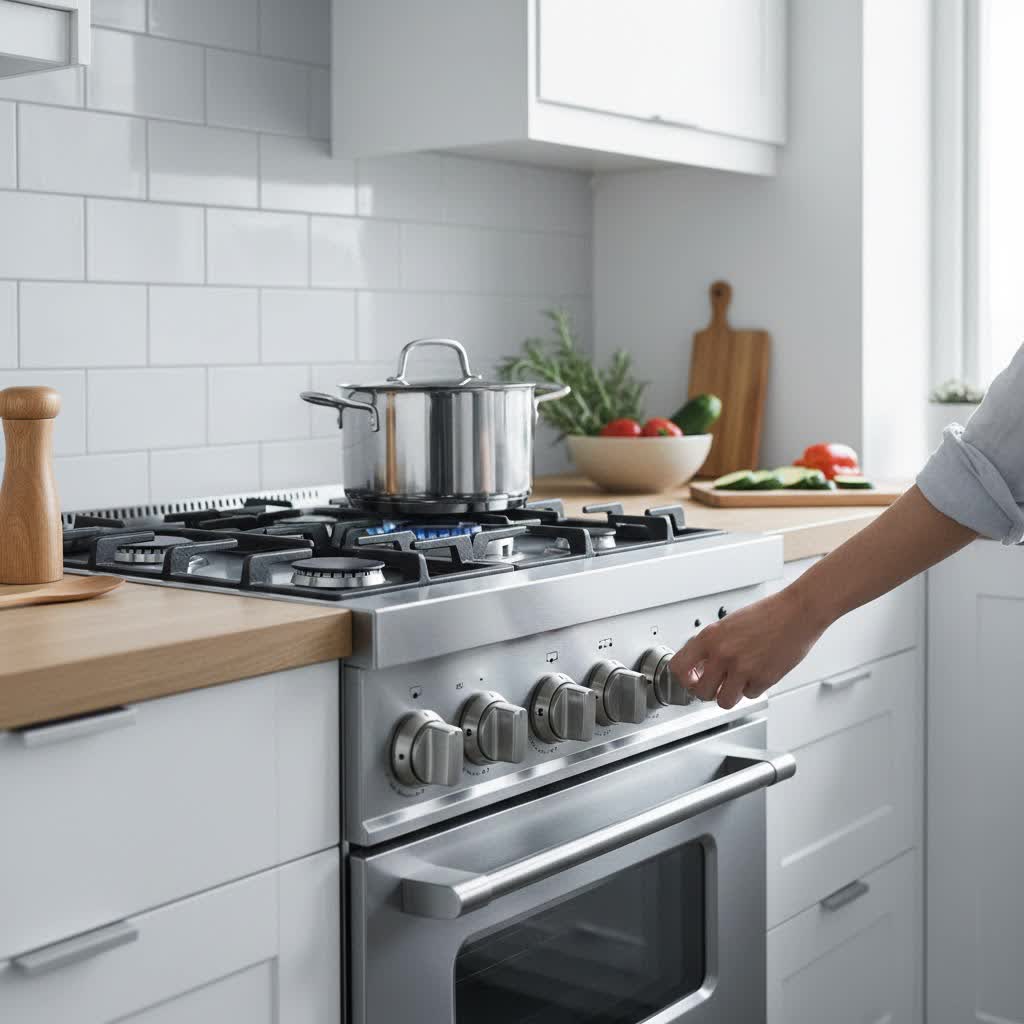
What is a Commercial Gas Stove? An Overview of the Current Market
A commercial gas stove is a heavy-duty appliance specifically engineered for the rigorous environment of a professional kitchen. Unlike residential stoves, these units are designed for continuous use, higher heat output, and exceptional durability, capable of enduring the constant demands of a busy restaurant. They typically combine powerful open burners on the stovetop with an oven below, allowing chefs to execute a wide array of cooking tasks—from boiling and sautéing to baking and roasting—all within a single, integrated unit.
The current market offers a diverse range of commercial gas stoves, each tailored to different kitchen needs and operational scales. Their versatility makes them an indispensable asset in any foodservice operation.
How to Classify Commercial Gas Stoves? (Detailed Guide)
Commercial gas stoves can be categorized based on several key criteria, helping restaurant owners and chefs pinpoint the perfect fit for their unique operational demands.
Classification by Number of Burners
Commercial gas stoves are available with varying numbers of burners to accommodate different cooking volumes:
- Single/Double Burner Units: Ideal for smaller cafes, food trucks, or as supplementary cooking stations.
- Four-Burner Ranges: Suitable for smaller restaurants with a focused menu or medium-volume cooking.
- Six-Burner Ranges: A common choice for many mid-sized restaurants, offering a good balance of cooking capacity and footprint.
- Eight to Twelve Burner Ranges: Designed for high-volume kitchens, allowing multiple dishes to be prepared simultaneously, significantly enhancing efficiency during peak hours.
|
Our Picks for the Best Gas stove in 2026
As an Amazon Associate I earn from qualifying purchases.
|
||
| Num | Product | Action |
|---|---|---|
| 1 | GasOne 200K BTU Propane Burner – Heavy-Duty Propane Stove – Outdoor Burner with Adjustable 0-20Psi Regulator and Steel Braided Hose – Ideal for Home Brewing, Turkey Fry |

|
| 2 | Gas One Propane Double Burner Two Burner Camp Stove Outdoor High Pressure Propane 2 Burner Adjustable PSI Regulator and 4ft Hose With Removable Legs |
|
| 3 | Horynar Propane Stove 2 Burner Gas Stove Auto Ignition 26000 BTU Tempered Glass Propane Burner LPG with CSA Hose for Outdoor Cooking, Emergency |
|
| 4 | Vivicreate High Pressure Propane Gas Outdoor Camping BBQ Grill Stove Burner Estufas de Gas para Cocinar Afuera Es gas propano Regulator 20 PSIG |
|
| 5 | AMZCHEF 17 Inch 3-Burner RV Gas Range with 1.24 Cu.Ft Oven, High Output Propane Stove for Mobile Home, Camper, Apartment, Stainless Steel |
|
| 6 | Gas One Portable Butane Camping Stove with Case: Automatic Ignition, Precise Heat Control - Camping & Tailgating and Outdoor Cooking |
|
| 7 | GasOne High Pressure Single Propane Burner - Outdoor Cooking with Heat Shield and Guard – Propane Burner Head for Camping, Tailgating, Seafood Boil, Home Brewing - Patented |
|
| 8 | Vivicreate 2 Burner Propane Stove, [20000 BTU] Portable Camping Gas Cooktop with Auto Ignition, Stainless Steel Outdoor Cooker with Regulator & Hose for RV, Backyard, Camping and Emergency Use |
|
| 9 | Gas One GS-3400P Propane or Butane Stove Dual Fuel Stove Portable Camping Stove - Patented - with Carrying Case Great for Emergency Preparedness Kit |
|
| 10 | GE 30-Inch Freestanding Gas Range with 4 Sealed Burners, Standard Clean Oven, Black |
|
Classification by Cooktop Material
The material of the cooktop impacts both durability and ease of cleaning:
- Stainless Steel: A popular choice for its robust nature, resistance to corrosion, and professional aesthetic. It’s also relatively easy to wipe down.
- Cast Iron Grates: Heavy-duty cast iron grates are standard in commercial kitchens, known for their exceptional heat retention and ability to withstand heavy pots and pans. They are durable but require specific cleaning to prevent rust.
Classification by Ignition System
Modern commercial gas stoves feature various ignition systems:
- Magneto Ignition: A mechanical, spark-based system known for its reliability and durability, often found in simpler models.
- IC (Ignition Control) or Electronic Ignition: Offers greater convenience, often igniting burners automatically with an electric spark when turned on.
- Pilotless Ignition: A highly recommended feature for safety and energy efficiency. Unlike older models with a constantly burning pilot light, this system uses an electric spark to ignite the burners on demand, eliminating the risk of gas leaks from extinguished pilots and reducing gas consumption.
Classification by Special Features
Beyond basic functionality, many commercial gas stoves offer specialized features:
- Ranges with Built-in Griddles or Charbroilers: These combination units save space and boost efficiency by allowing diverse cooking methods—like grilling, frying, and sautéing—on a single appliance, perfect for breakfast spots or short-order cooking.
- Convection Ovens: Many commercial gas ranges integrate a convection oven, which uses fans to circulate hot air for faster, more even cooking, ideal for baking pastries and roasting meats.
- Automatic Shut-off/Flame Failure Protection: Essential safety features that automatically cut off the gas supply if the flame goes out, preventing dangerous gas leaks.
- Built-in Temperature Probes: Provide precise temperature readings for consistent cooking results.
Comparison Table of Popular Commercial Gas Stove Types
To help you visualize the differences, here’s a comparison of common commercial gas stove configurations:
| Feature/Type | Standard Gas Range | Gas Range with Convection Oven | Gas Range with Griddle/Grill Combo | Heavy-Duty Gas Range |
|---|---|---|---|---|
| Primary Use | General cooking, versatile menus | Baking, roasting, even heat distribution | Short-order, breakfast, diverse cooking methods | High-volume, continuous, demanding operations |
| Burner Capacity | 4-10 open burners (e.g., 20,000-30,000 BTU/burner) | 4-8 open burners (similar BTU/burner) | 4-6 burners + integrated griddle/grill | Often higher BTU burners (30,000+ BTU/burner) |
| Oven Type | Standard (radiant heat) | Convection (fan-circulated hot air) | Standard or convection oven (depending on model) | Often standard, but convection options available |
| Efficiency | Good for general use | Faster cooking, more even results | Streamlined workflow for specific tasks | Built for endurance and consistent performance |
| Durability | Built for daily restaurant use | Robust for busy environments | Durable for continuous use | Enhanced durability, thicker gauge steel, stronger grates |
| Space Saving | Combines stovetop and oven | Combines stovetop and convection oven | Combines multiple cooking surfaces | Large footprint, often banked with other equipment |
| Approx. Price Range | Moderate | Moderate to High | Moderate to High | High |
| Pros | Versatile, reliable, cost-effective | Even cooking, faster baking/roasting, increased productivity | Multi-functional, excellent for varied menus, space-saving | Built to last, handles extreme use, powerful |
| Cons | Oven not as fast/even as convection | Higher initial cost, requires specific ventilation for some | Can be harder to clean if surfaces are not removable | Very high cost, large footprint, requires significant ventilation |
Expert Guide to Choosing a Commercial Gas Stove (Buying Guide)
Selecting the ideal commercial gas stove involves a careful assessment of your restaurant’s unique needs. Consider these factors to make an informed decision:
- Determine Usage Needs: Begin by evaluating your menu, the typical volume of food prepared, and the cooking methods you use most frequently. A high-volume kitchen specializing in stir-fries will need powerful, high-BTU burners, while a bakery might prioritize a range with a convection oven.
- Choose the Right Type of Gas Stove:
- For smaller kitchens or focused menus, a compact range with a standard oven might suffice.
- If baking and roasting are critical, a range with a convection oven is invaluable for even, faster cooking.
- For versatility in a limited footprint, a combination unit with a built-in griddle or charbroiler can be a game-changer.
- Prioritize Material and Durability: Look for robust construction. High-quality stainless steel exteriors offer corrosion resistance and ease of cleaning, while heavy-duty cast iron grates are essential for retaining heat and supporting heavy cookware. Sturdy knobs and controls are also indicators of a well-built unit.
- Evaluate Ignition System and BTU Output: High BTU (British Thermal Unit) burners ensure quick heating and efficient cooking. Look for ranges that offer a mix of high and lower BTU burners for diverse cooking needs, from searing to simmering. Consider pilotless ignition for enhanced safety and energy efficiency.
- Focus on Safety Features and Compliance: Safety is paramount. Essential features include flame failure protection, which automatically cuts off the gas supply if a flame extinguishes. Always ensure the chosen range complies with local safety regulations and has the appropriate ventilation requirements (a Type 1 hood is typically required for commercial gas ranges due to grease).
- Consider Energy Efficiency: While gas remains a popular choice, look for models with energy-saving features like advanced insulation and sealed burner systems to reduce operational costs over time.
- Research Reputable Brands: Invest in brands known for their reliability, performance, and customer support. Established names like Vulcan, Garland/US Range, Wolf, Imperial Range, Atosa, Blue Seal, and Cooking Performance Group consistently receive positive feedback from industry professionals.
- Compare Price and Trusted Vendors: Commercial gas ranges are a significant investment. Compare prices from various suppliers, and explore financing options if needed. Purchasing from reputable restaurant equipment suppliers ensures quality products, proper warranties, and reliable service.
Top 5 Commercial Gas Stoves for Restaurants (Detailed Reviews)
Based on industry reputation, performance, durability, and features, here are five highly-regarded commercial gas stove brands/models suitable for restaurant kitchens:
1. Vulcan Commercial Gas Ranges
Vulcan is consistently cited as a workhorse in professional kitchens. Known for their durability and high-performance, Vulcan ranges are built to withstand the demands of a busy kitchen, delivering consistent results. They offer a variety of sizes and configurations, making them a versatile choice for many restaurant types. Many chefs trust Vulcan for its robust construction and reliability under pressure.
2. Garland/US Range Commercial Gas Ranges
Garland/US Range is another reliable choice, celebrated for its efficiency and heavy-duty construction. Their products are designed for high-volume cooking, helping chefs prepare meals quickly and effectively. A popular model, the Garland G series 36-6C, is a 36-inch, six-burner gas restaurant range with a convection oven, offering versatility in a compact design. Garland ranges are practical, built to endure daily wear and tear, and highly versatile.
3. Wolf Commercial Gas Ranges
Wolf is renowned for its premium, high-end commercial gas ranges, favored by professional chefs seeking exceptional cooking performance and precision. These ranges boast superior build quality, advanced features, and precise temperature control. While often a higher investment, Wolf is a top consideration for those prioritizing state-of-the-art equipment and innovative culinary capabilities.
4. Atosa Commercial Gas Ranges
Atosa has gained recognition for producing durable and efficient commercial gas ranges designed for the heavy demands of restaurant kitchens. The Atosa AGR series, for example, features high-BTU burners and durable stainless steel exteriors that are easy to clean. Removable cast iron grates and drip trays simplify maintenance, making Atosa ranges a practical and versatile option for bustling restaurants.
5. Cooking Performance Group (CPG) S24-N Natural Gas Range
The Cooking Performance Group (CPG) S24-N Natural Gas Range offers an excellent balance of versatility, power, and value, making it a top choice for kitchens seeking efficiency without breaking the bank. This model typically features four open natural gas burners with a combined output of 150,000 BTUs, ensuring fast and even heating. Its 24-inch width is ideal for maximizing kitchen space, and it often includes a standard oven for added functionality. Made with durable stainless steel, CPG ranges are a solid option for restaurants and catering operations.
Guide to Safe and Efficient Use and Maintenance of Commercial Gas Stoves
Ensuring the longevity and safe operation of your commercial gas stove requires adherence to proper usage and maintenance protocols.
Correct Installation
Professional installation is non-negotiable for commercial gas ranges. A qualified technician will ensure proper connection to gas lines, adhere to pressure regulations, and establish adequate ventilation. Commercial gas ranges produce significant heat and fumes, necessitating a well-designed ventilation system (typically a Type 1 hood) to remove grease-laden vapors, maintain air quality, and minimize fire risks. Attempting DIY installation can compromise safety, void warranties, and violate local codes.
Safe Usage Practices
- Never leave a lit burner unattended, especially during peak hours.
- Ensure proper airflow around the unit and check that the ventilation hood is on before cooking.
- Use appropriate cookware for commercial burners.
- Keep flammable materials away from the stove area.
- Educate all kitchen staff on safe operating procedures and emergency protocols, including the location of gas shut-off valves.
Regular Cleaning and Maintenance
Consistent cleaning and periodic professional servicing are vital for extending the life of your equipment and ensuring hygienic operation.
- Daily Cleaning: At the end of each shift, wipe down all surfaces of the range, removing food debris and spills. Promptly clean up grease buildup to prevent corrosion and maintain performance.
- Weekly Deep Clean: Perform a more thorough cleaning that includes scrubbing the burners, cleaning grease traps, and wiping down the oven’s interior. For cast iron grates, preheating the grill to loosen stuck-on food before scrubbing with a stiff brush is effective.
- Professional Servicing: Schedule periodic professional maintenance. A qualified technician can inspect and adjust burner settings, check gas connections, verify safety controls, and calibrate thermostats. This preventative measure can identify and address small issues before they escalate into costly problems or safety hazards.
Important Notes
- Understand your specific model’s manual for detailed cleaning and maintenance instructions.
- Always turn off the gas supply to the unit before performing any deep cleaning or maintenance.
Common Commercial Gas Stove Problems and How to Fix Them
Even with diligent maintenance, commercial gas stoves can occasionally encounter issues. Knowing how to troubleshoot common problems can minimize downtime.
- Burners Not Igniting: This is a frequent issue. First, check if the gas supply is on. Clogged burner ports, often due to food debris or grease, can prevent ignition. Try cleaning the burner ports with a wire brush or a small needle. If using an electronic ignition, ensure the igniter is clean and functioning.
- Inconsistent Oven Temperatures: If your oven is not heating evenly or maintaining a set temperature, it could indicate a faulty thermostat or heating element. For gas ovens, ensure the pilot light (if present) is lit, or the igniter is working correctly. Cleaning the oven interior and ensuring proper door sealing can also help.
- Smell of Gas: A persistent smell of gas is a serious safety concern. Immediately shut off the gas supply to the range and evacuate the area. Do not operate any electrical switches or open flames. Contact your gas company and a licensed professional technician immediately. This is not a problem to troubleshoot yourself.
- Gas Leak: Similar to a gas smell, a suspected gas leak requires immediate action. Turn off the main gas supply, ventilate the area, and call professionals. Features like flame failure protection are designed to prevent such occurrences.
For simple issues, consulting your owner’s manual can often provide quick solutions. However, for any complex problem or suspected gas leak, always call a certified professional for diagnosis and repair to ensure safety and compliance.
Conclusion
The commercial gas stove is undeniably the backbone of any professional kitchen, an investment that significantly influences both operational efficiency and culinary excellence. By understanding the diverse types available, diligently researching key features like BTU output and safety mechanisms, and choosing from reputable brands like Vulcan, Garland/US Range, Wolf, Atosa, or Cooking Performance Group, you empower your kitchen with equipment built for performance and longevity. Remember that proper installation, rigorous cleaning, and routine professional servicing are not just best practices, but crucial steps to ensure the safety and consistent output of this vital appliance.
What steps will you take to ensure your commercial gas stove remains the reliable heart of your kitchen for years to come?
Frequently Asked Questions
What is the main difference between a commercial gas range and a residential stove?
Commercial gas ranges are engineered for high-volume, continuous use in professional kitchens, offering higher BTU burners, more durable construction, and larger oven capacities compared to residential stoves. They are built to withstand the rigorous demands of a busy restaurant environment.
How do I choose the right size commercial gas range for my kitchen?
Measure your available kitchen space accurately, considering not only the range’s dimensions but also the necessary clearance for comfortable movement and workflow around it. The ideal size depends on your kitchen layout, the volume of food prepared, and the number of staff operating the equipment.
What are essential safety features to look for in a commercial gas range?
Key safety features include flame failure protection, which automatically cuts off the gas supply if the flame extinguishes, and automatic shutoff. It’s also critical to ensure the range complies with all local safety regulations and is installed with proper ventilation.
What are the benefits of a commercial gas range with a convection oven?
A commercial gas range with a convection oven uses fans to circulate hot air, resulting in more even cooking and faster baking/roasting times. This improved heat distribution is particularly beneficial for consistent results with pastries, meats, and other dishes, boosting productivity in a busy kitchen.
How often should a commercial gas range be serviced professionally?
Beyond daily and weekly cleaning, periodic professional servicing is crucial. It is generally recommended to have a qualified technician inspect your commercial gas range annually to check burner adjustments, gas connections, safety controls, and thermostats, helping to prevent major issues and extend the equipment’s lifespan.
