Moving house can be an exhilarating yet overwhelming experience, filled with countless tasks and decisions. Among the most critical, and often daunting, is preparing your appliances for transport. If your kitchen features a gas stove, disconnecting it correctly is not just a chore—it’s a non-negotiable safety imperative. Improper handling of gas lines can lead to serious risks, including leaks, fires, or explosions, putting your home and family in danger.
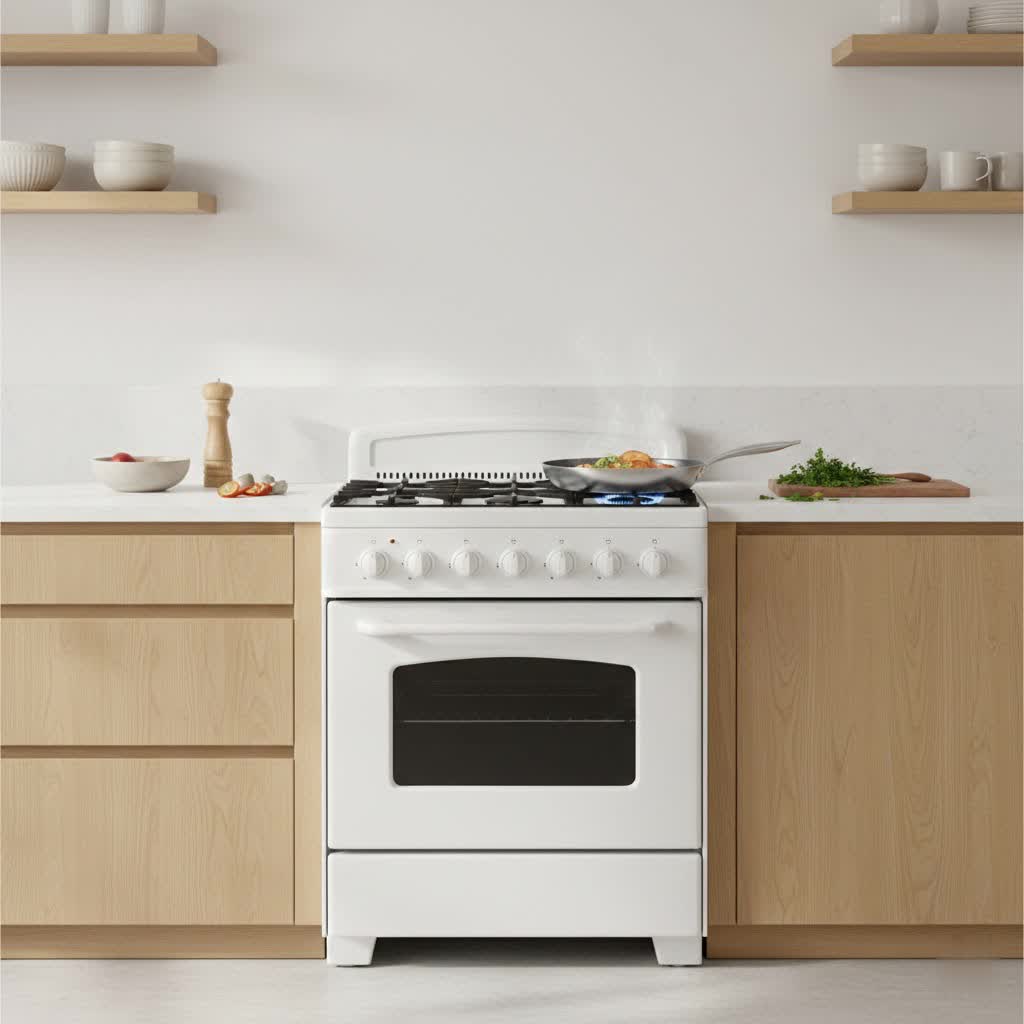
This comprehensive guide is designed to empower you with the knowledge and steps needed to safely disconnect your gas stove. We’ll walk you through the essential tools, crucial safety precautions, and a detailed, step-by-step process. Whether you’re a seasoned DIYer or approaching this task for the first time, understanding the nuances of gas appliance disconnection will ensure a smoother, safer relocation for everyone involved.
Why Proper Gas Stove Disconnection is Non-Negotiable
Working with gas appliances carries inherent risks, making a thorough and correct disconnection process absolutely vital. The primary concern is, of course, the potential for gas leaks. Natural gas and propane are highly flammable and odorless; gas companies add a chemical (mercaptan) to give it a distinctive “rotten egg” smell for detection. Even a small leak can accumulate in an enclosed space, creating an explosive atmosphere that can be ignited by a single spark from an electrical switch, static electricity, or an open flame.
Beyond fire and explosion hazards, prolonged exposure to natural gas can displace oxygen, leading to asphyxiation. Furthermore, many modern gas stoves also have electrical components for ignition, clocks, or lights, posing a risk of electrical shock if not properly unplugged. Incorrect disconnection can also damage gas lines, fittings, or the stove itself, leading to costly repairs and potential safety issues down the line. Finally, local building codes and safety regulations often dictate who can perform gas work, sometimes requiring a certified professional. Understanding these risks underscores why shortcuts are never an option when dealing with gas.
Essential Tools and Safety Preparations
Before you even consider touching your gas stove, assembling the right tools and taking critical safety precautions are paramount. Think of this as your pre-flight checklist for a safe operation.
Tools You’ll Need:
- Adjustable Wrenches (2): Crucial for loosening and tightening gas fittings. Having two allows you to hold one fitting steady while turning the other, preventing damage to the gas line.
- Pipe Wrench (Optional but Recommended): For particularly stubborn or old connections, a pipe wrench provides extra grip and leverage.
- Screwdriver Set (Phillips and Flathead): Useful for removing any mounting brackets or panels.
- Gas Line Cap: Absolutely essential for sealing the open gas supply line once the stove’s flexible connector is removed. Ensure you have the correct size before you start.
- Thread Sealant Tape (PTFE/Teflon Tape) or Pipe Dope: For ensuring a tight, leak-proof seal when applying the gas line cap. Use yellow PTFE tape specifically designed for gas lines.
- Soapy Water in a Spray Bottle: Your homemade leak detector. A mixture of dish soap and water will bubble if gas is escaping.
- Flashlight or Headlamp: To illuminate the often cramped and dark space behind the stove.
- Work Gloves: To protect your hands from sharp edges, grime, and potential burns.
- Dolly or Appliance Sliders: Gas stoves are heavy. These tools will help you move the stove safely without scratching your floors or straining your back.
- Fire Extinguisher: Have one readily accessible, just in case.
|
Our Picks for the Best Gas stove in 2026
As an Amazon Associate I earn from qualifying purchases.
|
||
| Num | Product | Action |
|---|---|---|
| 1 | GasOne High Pressure Single Propane Burner - Outdoor Cooking with Heat Shield and Guard – Propane Burner Head for Camping, Tailgating, Seafood Boil, Home Brewing - Patented |

|
| 2 | GasOne 200K BTU Propane Burner – Heavy-Duty Propane Stove – Outdoor Burner with Adjustable 0-20Psi Regulator and Steel Braided Hose – Ideal for Home Brewing, Turkey Fry |
|
| 3 | Gas One Propane Double Burner Two Burner Camp Stove Outdoor High Pressure Propane 2 Burner Adjustable PSI Regulator and 4ft Hose With Removable Legs |
|
| 4 | Gas One Portable Butane Camping Stove with Case: Automatic Ignition, Precise Heat Control - Camping & Tailgating and Outdoor Cooking |
|
| 5 | AMZCHEF 17 Inch 3-Burner RV Gas Range with 1.24 Cu.Ft Oven, High Output Propane Stove for Mobile Home, Camper, Apartment, Stainless Steel |
|
| 6 | Vivicreate 2 Burner Propane Stove, [20000 BTU] Portable Camping Gas Cooktop with Auto Ignition, Stainless Steel Outdoor Cooker with Regulator & Hose for RV, Backyard, Camping and Emergency Use |
|
| 7 | Horynar Propane Stove 2 Burner Gas Stove Auto Ignition 26000 BTU Tempered Glass Propane Burner LPG with CSA Hose for Outdoor Cooking, Emergency |
|
| 8 | Vivicreate High Pressure Propane Gas Outdoor Camping BBQ Grill Stove Burner Estufas de Gas para Cocinar Afuera Es gas propano Regulator 20 PSIG |
|
| 9 | GE 30-Inch Freestanding Gas Range with 4 Sealed Burners, Standard Clean Oven, Black |
|
| 10 | Gas One GS-3400P Propane or Butane Stove Dual Fuel Stove Portable Camping Stove - Patented - with Carrying Case Great for Emergency Preparedness Kit |
|
Safety Preparations:
- Clear the Work Area: Remove all pots, pans, rugs, and anything that could obstruct your movement around the stove.
- Ensure Good Ventilation: Open windows and doors in your kitchen to allow any residual gas odors to dissipate quickly.
- Know Your Main Gas Shut-Off Valve: Locate your home’s main gas shut-off valve (often outside near your gas meter or in the basement). In an emergency, knowing how to turn off the entire house’s gas supply can be life-saving.
- No Open Flames or Sparks: Absolutely no smoking, candles, pilot lights, or electrical switches should be operated in the vicinity while working on the gas line.
- Work with a Partner: A second person can help with moving the heavy stove and offer assistance in an emergency.
Step-by-Step Guide: Disconnecting Your Gas Stove
Follow these instructions carefully to ensure a safe disconnection. Remember, if at any point you feel unsure or uncomfortable, stop and call a professional.
1. Turn Off the Gas Supply
This is the most critical first step. Locate the gas isolation valve for your stove. It’s typically a small, brass lever valve found on the gas pipe directly behind or underneath the appliance.
- Identify the Valve: The valve handle will usually be parallel to the gas pipe when open and perpendicular to the pipe when closed.
- Shut it Off: Turn the valve handle a quarter-turn (90 degrees) so it is perpendicular to the gas pipe. This stops the gas flow to the stove.
- Consider Main Shut-Off: If the appliance valve feels stuck, looks corroded, or you have any doubts about its integrity, consider turning off the main gas supply to your entire house for added safety.
2. Disconnect Electrical Power
Even if your gas stove relies on a pilot light for ignition, it likely has electrical components for features like an oven light, clock, or electronic igniters.
- Unplug the Cord: Locate the electrical cord, usually behind the stove, and unplug it from the wall outlet.
- For Hardwired Units: If your stove is hardwired (less common for residential models but possible), go to your home’s electrical panel and switch off the circuit breaker that controls the stove.
3. Carefully Move the Stove
Before disconnecting the gas line, gently pull the stove away from the wall to access the connections.
- Slow and Steady: Slide the stove out slowly and carefully. Avoid abrupt movements that could strain or damage the gas line while it’s still connected.
- Protect Your Floors: If you have a heavy stove and delicate flooring, use a furniture dolly or appliance sliders under the stove’s feet to prevent scratches and make movement easier.
4. Disconnect the Flexible Gas Line
Most modern gas stoves are connected to the wall gas pipe by a flexible stainless steel connector.
- Locate Connections: Identify where the flexible gas line connects to both the stove and the gas pipe coming from the wall.
- Use Two Wrenches: This is crucial. Place one adjustable wrench on the stationary fitting of the gas pipe coming from the wall to hold it steady. Use the second adjustable wrench to loosen the nut on the flexible connector.
- Turn Counter-Clockwise: Turn the nut counter-clockwise (lefty loosey). Be patient; older connections might be tight.
- Remove the Line: Once sufficiently loosened, carefully unscrew the flexible line from both the wall pipe and the stove.
5. Cap the Gas Line
With the flexible connector removed, you now have an open gas pipe. This must be sealed immediately.
- Apply Sealant: Wrap the threads of the open gas pipe (coming from the wall) with yellow PTFE (Teflon) tape designed for gas lines, or apply pipe-joint compound suitable for gas. Wrap in the direction the cap will be tightened (clockwise) to prevent unraveling.
- Screw on the Cap: Thread a properly sized gas line cap onto the now-sealed pipe.
- Tighten Securely: Use a wrench to tighten the cap firmly. It needs to be snug enough to prevent leaks but avoid overtightening, which can damage the threads.
6. Check for Gas Leaks
This step is non-negotiable to confirm the safety of your capped gas line.
- Restore Gas (If Main Was Off): If you turned off the main house gas supply, slowly turn it back on.
- Apply Soapy Water: Spray the soapy water solution generously over the capped connection, ensuring it fully coats the cap and the surrounding threads.
- Look for Bubbles: Observe carefully. If bubbles appear, it indicates a gas leak. Immediately tighten the cap a bit more and re-apply the soapy water. If bubbles persist, turn off the main gas supply immediately and call a certified gas technician.
- No Bubbles = Safe: If no bubbles are seen after turning the gas back on, your connection is secure.
7. Prepare the Stove for Transport
With the gas line safely capped and tested, your stove is now ready for its move.
- Secure Loose Parts: Ensure any grates, burner caps, or oven racks are secured or removed and packed separately.
- Clean and Protect: Give the stove a thorough cleaning. Wrap it in moving blankets or plastic wrap to protect surfaces from scratches and dents during transit.
When to Call a Professional Gas Engineer
While disconnecting a gas stove can be a DIY task for some, it’s perfectly acceptable, and often advisable, to call in a professional. There are several situations where expert intervention is highly recommended:
- Uncertainty or Discomfort: If you feel uneasy, unsure about any step, or lack confidence in your ability to perform the task safely.
- Stuck or Damaged Valves: If the appliance’s gas shut-off valve is old, corroded, difficult to turn, or appears damaged. Forcing it could cause a leak.
- Smelling Gas: Any gas odor at any stage of the process indicates a leak and requires immediate professional attention after turning off the main gas.
- Local Regulations: Some jurisdictions require gas work to be performed only by licensed and certified gas engineers or plumbers. Always check local codes.
- Rigid Gas Piping: If your stove is connected with rigid metal piping instead of a flexible connector, disconnection is more complex and best left to a professional.
- Newer Installations: Some homeowners prefer professional installation to ensure adherence to warranties and insurance requirements.
“Working with gas demands respect and precision. If there’s even a shred of doubt in your mind, err on the side of caution and call a licensed professional. It’s a small investment for peace of mind and safety.” – Admin, ReviewHix.com, Gas Appliance Specialist
Reconnecting Your Gas Stove in Your New Home
While this article focuses on disconnection, it’s important to briefly touch upon the reconnection process, as it carries similar safety considerations.
- Professional Installation Recommended: For many, having a certified gas engineer reconnect the stove in the new home is the safest option. They can ensure proper connection, test for leaks, and verify compliance with local codes.
- New Flexible Connector: It is highly recommended to use a new flexible gas connector and new thread sealant when reconnecting any gas appliance. Old connectors can degrade or develop hairline cracks, leading to leaks.
- Thorough Leak Check: Just like during disconnection, a rigorous leak check with soapy water is essential after reconnection and before regular use.
Common Mistakes to Avoid During Disconnection
A safe disconnection relies on careful attention to detail and avoiding common pitfalls:
- Forgetting to Turn Off the Gas: The most dangerous mistake. Always verify the gas supply is off before loosening any connections.
- Not Unplugging the Electricity: Risk of electrical shock or accidental ignition.
- Using Improper Tools or Forcing Connections: Can strip threads, damage pipes, or cause leaks.
- Failing to Cap the Gas Line Securely: An uncapped gas line is a catastrophic hazard.
- Skipping the Leak Test: Relying solely on tightening without verification can mask a slow, dangerous leak.
- Attempting to Move the Stove Alone or Without Proper Equipment: Can lead to injury, property damage, or strain on still-connected lines.
- Reusing Old Flexible Gas Lines: Flexible connectors can wear out over time; always replace them when moving or reinstalling.
Conclusion
Disconnecting a gas stove for a move might seem like a challenging task, but by following a structured, safety-first approach, it can be managed effectively. The key takeaways are clear: prioritize turning off both gas and electrical supplies, use the correct tools, meticulously cap the open gas line, and always perform a thorough leak check. Remember, your safety and the safety of your new home are paramount. Don’t hesitate to seek the expertise of a professional gas engineer if you feel uncomfortable or if the situation demands it. With careful preparation and execution, you can ensure your gas stove is ready for its journey, allowing you to focus on settling into your new space with confidence and peace of mind.
What precautions are you taking to ensure a safe move for all your appliances?
Frequently Asked Questions
Is it legal to disconnect a gas stove yourself?
The legality of disconnecting a gas stove yourself varies by region and local building codes. In some areas, homeowners are permitted to perform basic appliance disconnections, while others strictly require a licensed professional for any gas-related work. Always check your local regulations before attempting this task.
What if I smell gas while disconnecting?
If you smell gas at any point during the disconnection process, immediately stop what you’re doing. Turn off the main gas supply to your house if you haven’t already, open all windows and doors for ventilation, evacuate the premises, and call your gas utility company or emergency services from a safe distance. Do not operate any electrical switches or create any sparks.
How do I know what size gas line cap to buy?
Gas line fittings are typically measured by their nominal pipe size, which refers to the inside diameter. The most common size for residential gas stoves is 1/2 inch NPT (National Pipe Taper). It’s best to measure the existing gas pipe’s outer diameter or consult your stove’s manual or a hardware store expert to ensure you purchase the correct size cap.
Should I replace the flexible gas line when I move?
Yes, it is highly recommended to replace the flexible gas line when moving or reinstalling a gas stove. These connectors can degrade over time, and repeated bending or stress during a move can cause hidden damage or cracks, leading to potential leaks. A new, approved flexible connector ensures the safest possible installation.
Can I use regular Teflon tape on gas lines?
No, you should only use yellow PTFE (Teflon) tape that is specifically designed and rated for gas lines. Standard white plumbing tape is typically thinner and not formulated to withstand gas pressures or chemicals, making it unsuitable and potentially dangerous for gas applications. Always choose tape clearly labeled for gas.
