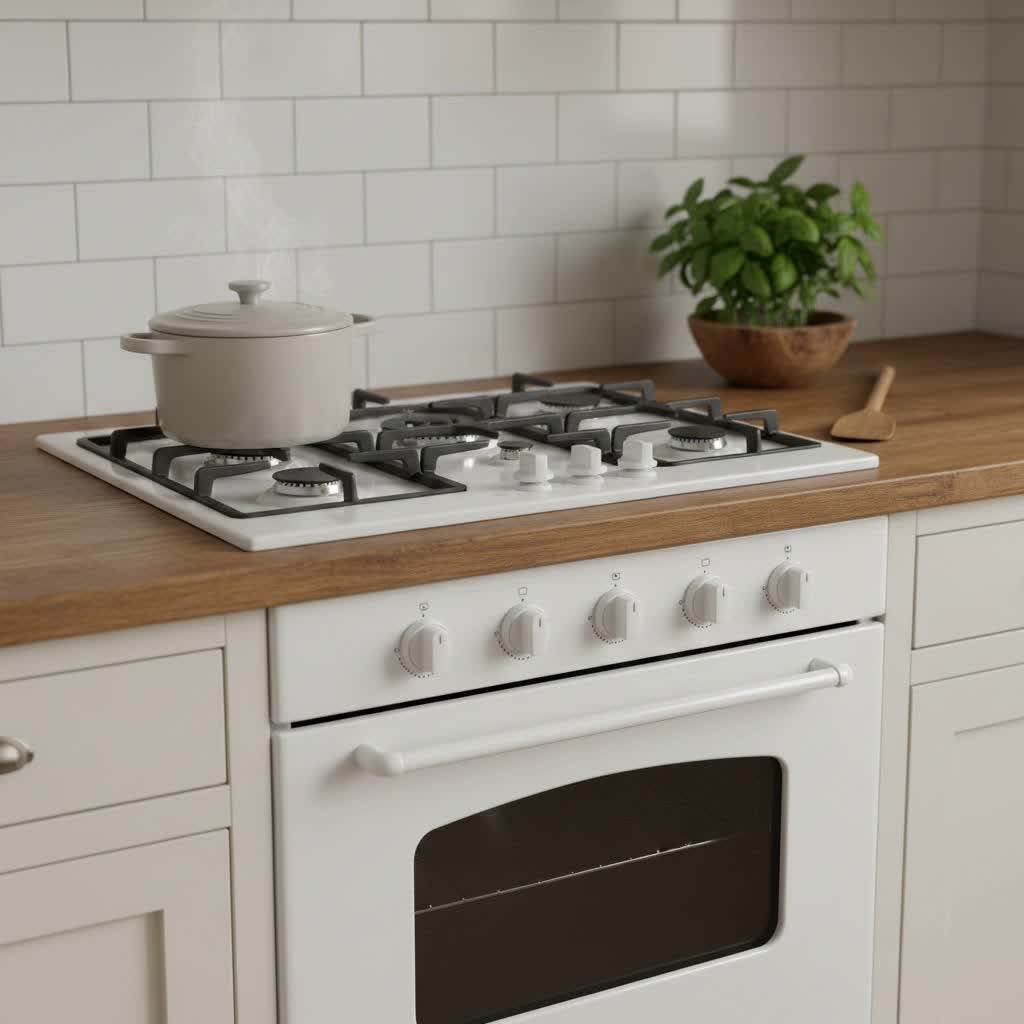
A stuck gas stove control knob can quickly turn a minor inconvenience into a major safety concern in any kitchen. When a knob refuses to turn, it disrupts your cooking and, more critically, can pose a risk of gas leaks if stuck in an “on” position or prevent you from igniting a burner altogether. This common issue is frustrating, but with the right approach and a firm commitment to safety, many homeowners can resolve it without calling a professional.
This comprehensive guide will walk you through understanding why your gas stove knob might be stuck, the essential safety precautions to take, and a step-by-step process for safely freeing it. By following these expert tips, you’ll be able to restore your gas stove’s functionality and ensure your kitchen remains a safe and efficient cooking space.
Understanding Your Gas Stove Control Knobs: Anatomy and Common Issues
Gas stove control knobs are designed to regulate the flow of gas to the burners, allowing you to precisely adjust the flame intensity. Each knob is connected to a valve shaft that, when turned, opens or closes the gas line. While seemingly simple, several factors can cause this mechanism to seize, leading to a stuck knob.
Common culprits behind a jammed gas stove knob include:
- Grease and Debris Buildup: Over time, cooking grease, food particles, and spills can accumulate around the knob and valve shaft. This hardened residue creates friction, making it difficult or impossible for the knob to turn.
- Corrosion and Rust: Exposure to moisture, especially in humid environments, can lead to rust formation on the metal components of the valve shaft or surrounding parts. This corrosion impedes smooth movement.
- Damaged Knob Mechanism: The knob itself might be cracked, worn out, or have internal components that are broken, preventing it from gripping the shaft correctly or turning freely.
- Malfunctioning Supply Valve or Seized Shaft: The internal gas supply valve or the shaft it connects to can become stiff or seized due to age, wear, or internal damage. If cleaning the knob doesn’t help, the problem might be deeper within the valve mechanism.
Understanding these underlying causes is the first step toward effectively diagnosing and fixing the problem.
Prioritizing Safety: Essential Steps Before You Begin
Safety is paramount when dealing with any gas appliance. Attempting to fix a stuck gas stove knob without proper precautions can lead to hazardous situations, including gas leaks or fires.
Before you begin any troubleshooting or repair work on your gas stove, follow these critical safety steps:
- Shut Off the Gas Supply: This is the most crucial step. Locate the main gas shut-off valve for your house, or the dedicated supply valve for your stove (usually found behind or beneath the unit). Turn the valve to the “off” position. If you cannot reach the stove’s valve, use the main house supply valve. This ensures no gas can flow to the burners during your repair.
- Ensure No Open Flames or Sparks: Double-check that all burners are off and that there are no lit candles, cigarettes, or other ignition sources in the vicinity. Avoid operating any electrical switches near the stove, as they can create a spark.
- Allow the Stove to Cool: If you’ve recently used the stove, let it cool completely before touching any components to prevent burns.
- Gather Necessary Tools: Having the right tools on hand will make the process smoother and safer. You’ll likely need:
- A flathead screwdriver (potentially wrapped in a cloth to prevent scratching)
- Cleaning cloths or paper towels
- Mild dish soap and warm water, or a vinegar solution
- A small brush or toothbrush for scrubbing
- A suitable lubricant (non-flammable, high-heat resistant, such as white lithium grease spray)
- Pliers (needle-nose or vice grips) for gentle turning of the shaft, if needed.
“When working with gas appliances, always remember that safety comes first. Shutting off the gas supply is non-negotiable before attempting any repairs.”
Step-by-Step Guide to Fixing a Stuck Gas Stove Knob
Once you’ve ensured safety and gathered your tools, you can proceed with the repair. Work patiently and avoid excessive force, which could cause further damage.
Step 1: Remove the Knob
|
Our Picks for the Best Gas stove in 2026
As an Amazon Associate I earn from qualifying purchases.
|
||
| Num | Product | Action |
|---|---|---|
| 1 | Vivicreate High Pressure Propane Gas Outdoor Camping BBQ Grill Stove Burner Estufas de Gas para Cocinar Afuera Es gas propano Regulator 20 PSIG |

|
| 2 | GasOne 200K BTU Propane Burner – Heavy-Duty Propane Stove – Outdoor Burner with Adjustable 0-20Psi Regulator and Steel Braided Hose – Ideal for Home Brewing, Turkey Fry |
|
| 3 | AMZCHEF 17 Inch 3-Burner RV Gas Range with 1.24 Cu.Ft Oven, High Output Propane Stove for Mobile Home, Camper, Apartment, Stainless Steel |
|
| 4 | Gas One GS-3400P Propane or Butane Stove Dual Fuel Stove Portable Camping Stove - Patented - with Carrying Case Great for Emergency Preparedness Kit |
|
| 5 | GasOne High Pressure Single Propane Burner - Outdoor Cooking with Heat Shield and Guard – Propane Burner Head for Camping, Tailgating, Seafood Boil, Home Brewing - Patented |
|
| 6 | Gas One Portable Butane Camping Stove with Case: Automatic Ignition, Precise Heat Control - Camping & Tailgating and Outdoor Cooking |
|
| 7 | Vivicreate 2 Burner Propane Stove, [20000 BTU] Portable Camping Gas Cooktop with Auto Ignition, Stainless Steel Outdoor Cooker with Regulator & Hose for RV, Backyard, Camping and Emergency Use |
|
| 8 | Horynar Propane Stove 2 Burner Gas Stove Auto Ignition 26000 BTU Tempered Glass Propane Burner LPG with CSA Hose for Outdoor Cooking, Emergency |
|
| 9 | Gas One Propane Double Burner Two Burner Camp Stove Outdoor High Pressure Propane 2 Burner Adjustable PSI Regulator and 4ft Hose With Removable Legs |
|
| 10 | GE 30-Inch Freestanding Gas Range with 4 Sealed Burners, Standard Clean Oven, Black |
|
Gently pull the stuck knob straight outward. Most gas stove knobs are designed to simply pull off. If it’s firmly stuck, you can try to carefully pry it off using a flathead screwdriver. To protect the stove’s surface, wrap the screwdriver tip in a soft cloth before prying. Avoid forcing it, as plastic knobs can crack or break.
Step 2: Inspect and Clean
With the knob removed, you’ll see the valve shaft. This is where most issues occur.
- Inspect: Check the knob’s interior and the valve shaft for any visible debris, hardened grease, food particles, cracks, or signs of rust.
- Clean: Mix mild dish soap with warm water. Dip a cleaning cloth or a small brush (like a toothbrush) into the soapy solution and thoroughly scrub the valve shaft and the surrounding area. Pay close attention to any grooves or tight spots where grime might accumulate. For stubborn grease buildup, a vinegar solution can be very effective. Clean the inside of the removed knob as well. Ensure all residue is removed.
Step 3: Lubricate the Shaft
After cleaning, apply a suitable lubricant to the base of the valve shaft.
- Crucial Lubricant Choice: It is vital to use a non-flammable, high-heat resistant lubricant or white lithium grease spray. Do not use standard lubricants like WD-40, as they are often flammable and can pose a serious fire hazard on a gas stove. Allow the lubricant a few minutes to penetrate the shaft.
Step 4: Gently Work the Mechanism
Once the lubricant has had time to soak in, it’s time to try and free the shaft.
- Manual Attempt: Try gently pushing in and turning the shaft with your fingers. Wiggle it back and forth slightly to help the lubricant work its way in.
- Using Pliers: If it’s still stuck, use a pair of needle-nose pliers or vice grips to gently grasp the metal shaft. Apply light pressure, pushing in slightly, and then gently twist the shaft back and forth. Do not apply excessive force, as this can bend or break the shaft or damage the internal valve mechanism.
- Applying Heat (If Needed): For particularly stubborn shafts, a hair dryer on a low setting can be used to apply warm air around the base of the shaft. The principle of thermal expansion can help loosen components. Alternatively, a warm, damp cloth placed over the area for a few minutes can also help. After applying heat, immediately try to gently turn the shaft with pliers.
Step 5: Reassemble and Test
Once the shaft moves freely, reattach the control knob by aligning it with the shaft and pushing it firmly back into place.
- Restore Gas Supply: Carefully turn the gas supply back on (either the stove’s dedicated valve or the main house valve).
- Test for Leaks: Before igniting any burners, spray a soapy water solution around the base of the valve stem where you applied lubricant. If you see any bubbles forming, it indicates a gas leak. Immediately shut off the gas and do not proceed.
- Test Knob Functionality: Turn the knob to ensure it rotates smoothly, clicks into place, and the burner ignites and extinguishes correctly. Listen for any unusual sounds or smells.
Common Causes of Stuck Gas Stove Knobs and Their Solutions (Detailed)
Understanding the specific cause can often lead to a quicker and more targeted solution.
- Grease and Food Buildup: This is the most frequent culprit. Regular cleaning is the best defense. For an already stuck knob, a strong degreasing solution (like a mixture of vinegar and baking soda or a commercial kitchen degreaser) applied with a small brush can break down the hardened grime. After cleaning, apply a small amount of non-flammable lubricant.
- Corrosion/Rust: Rust on metal components can severely impede movement. After removing the knob, you might see reddish-brown rust on the shaft. Cleaning with a wire brush or fine-grit sandpaper (very gently) to remove surface rust, followed by a non-flammable lubricant, can help. Keeping the area dry is crucial for prevention.
- Damaged Knob/Shaft: If the plastic knob itself is cracked, warped, or if the D-shaped opening that fits onto the shaft is stripped, the knob will no longer engage properly. In such cases, the knob needs to be replaced with a compatible part for your stove model. If the metal shaft itself is bent or visibly damaged, this points to a more complex internal valve issue.
- Malfunctioning Gas Valve: If, after thorough cleaning and lubrication, the shaft still doesn’t move or feels wobbly and loose, the internal gas valve is likely faulty. This is a more serious issue that often requires professional intervention.
When to Call a Professional: Recognizing Limits
While many stuck gas stove knob issues can be resolved with DIY methods, it’s crucial to know when to defer to an expert. Gas appliances require precise handling, and attempting repairs beyond your comfort or skill level can be dangerous.
You should call a qualified appliance repair technician if:
- The Knob Remains Stuck: If your DIY efforts (cleaning, lubricating, gentle manipulation) do not free the knob, or if it frees temporarily but quickly gets stuck again.
- You Smell Gas: Any gas smell, even faint, after attempting repairs or at any time, indicates a potential leak. Immediately shut off the gas supply and evacuate the area, then call a professional.
- The Valve Shaft is Wobbly or Broken: A loose or broken shaft suggests internal damage to the gas valve, which is a critical component that should only be replaced by a certified technician.
- You Are Uncomfortable: If you feel unsure at any point during the repair process, or if the steps seem too complex, it’s always safer to call an expert.
Appliance repair specialists have the tools, expertise, and training to safely diagnose and fix complex gas stove issues, ensuring your appliance operates safely and efficiently.
Preventing Future Stuck Knobs: Maintenance Tips
A little preventive maintenance can save you from the hassle and potential dangers of stuck gas stove knobs in the future.
- Regular Cleaning: Make it a habit to wipe down your stove after each use. Pay special attention to the areas around the control knobs. A damp cloth with mild dish soap can effectively remove grease and food splatters before they harden.
- Deep Cleaning: Periodically, remove the knobs and give the shafts and the knob interiors a thorough cleaning with a degreasing solution to prevent accumulation.
- Keep the Area Dry: Ensure your stove and the knob area remain dry. Promptly wipe up any spills to prevent moisture from leading to rust or corrosion on metal components.
- Avoid Over-Tightening: When reinstalling knobs, push them firmly but gently. Excessive force isn’t necessary and can potentially damage the knob or shaft.
- Use Protective Covers (Optional): Some homeowners use silicone knob covers or strategically placed aluminum foil around the base of the knobs during heavy cooking sessions to minimize grease splatter.
Conclusion
A stuck gas stove control knob, while annoying, doesn’t always necessitate an expensive service call. By understanding the common causes—from stubborn grease to minor corrosion—and following a methodical, safety-first approach, many homeowners can successfully troubleshoot and resolve this issue themselves. Remember to always prioritize safety by shutting off the gas supply before any work begins and using appropriate non-flammable lubricants.
Regular cleaning and maintenance are your best allies in preventing future occurrences, keeping your gas stove running smoothly and safely for years to come. Don’t let a minor kitchen problem escalate; empower yourself with the knowledge to tackle it. What other small appliance repair tips would make your home life easier?
Frequently Asked Questions
What kind of lubricant is safe for gas stove knobs?
Always use a non-flammable, high-heat resistant lubricant, such as white lithium grease spray, for gas stove knobs. Avoid flammable aerosols like WD-40, which can pose a fire hazard.
How often should I clean my gas stove knobs to prevent sticking?
Regular cleaning after each use with a damp, soapy cloth is ideal for preventing grease buildup. A deeper cleaning of the knob and shaft every few months or as needed will further minimize the risk of sticking.
Can I replace a gas stove knob myself?
Yes, replacing a gas stove knob is generally a simple DIY task. Ensure you purchase a replacement knob that is specifically compatible with your stove’s make and model for proper fit and function.
What should I do if my gas stove knob is stuck in the “on” position?
If your gas stove knob is stuck in the “on” position, immediately shut off the gas supply to the stove (or your main house gas line if the stove’s valve is inaccessible). Then, try to troubleshoot the knob or call a professional for assistance, ensuring no gas leaks.
When is it absolutely necessary to call a professional for a stuck gas knob?
It is absolutely necessary to call a professional if you smell gas, if the knob remains stuck after thorough cleaning and lubrication, or if the valve shaft feels wobbly or broken, indicating an internal valve issue. Do not attempt complex repairs involving gas lines yourself.