A non-lighting gas stove burner can quickly turn meal prep into a frustrating ordeal. If your gas stove igniter is clicking endlessly without sparking a flame, or has stopped working altogether, it’s a common issue many homeowners face. Fortunately, replacing a broken igniter on a gas stove is a repair you can often tackle yourself, saving time and money. This comprehensive guide will walk you through everything you need to know, from understanding how your igniter works to a detailed, step-by-step replacement process and essential maintenance tips to keep your kitchen running smoothly.
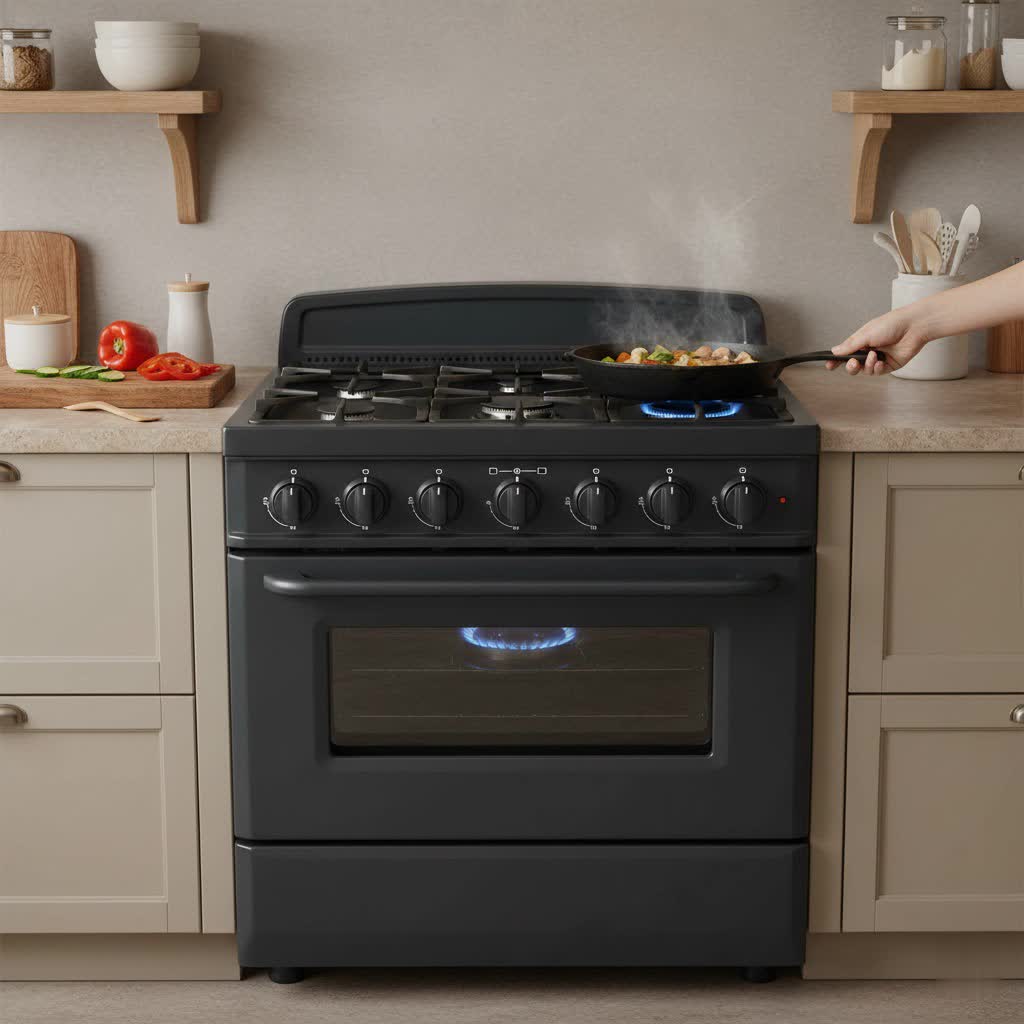
Understanding Your Gas Stove Igniter
Most modern gas stove cooktops utilize a spark igniter (also known as a spark electrode) to light the gas. When you turn a burner knob, it activates a switch that sends an electrical current to the igniter. The igniter then produces a rapid series of sparks, which ignite the gas flowing from the burner ports, creating a steady flame.
Common signs that your igniter might be failing include:
- Clicking but no flame: The igniter is attempting to spark, but the gas isn’t lighting. This can indicate a weak spark or a gas flow issue.
- No clicking at all: The igniter doesn’t engage, suggesting a complete electrical failure to the igniter or the ignition switch itself.
- Weak or inconsistent spark: The spark is visible but not strong enough to reliably ignite the gas.
|
Our Picks for the Best Gas stove in 2026
As an Amazon Associate I earn from qualifying purchases.
|
||
| Num | Product | Action |
|---|---|---|
| 1 | Vivicreate High Pressure Propane Gas Outdoor Camping BBQ Grill Stove Burner Estufas de Gas para Cocinar Afuera Es gas propano Regulator 20 PSIG |

|
| 2 | Gas One Propane Double Burner Two Burner Camp Stove Outdoor High Pressure Propane 2 Burner Adjustable PSI Regulator and 4ft Hose With Removable Legs |
|
| 3 | Gas One GS-3400P Propane or Butane Stove Dual Fuel Stove Portable Camping Stove - Patented - with Carrying Case Great for Emergency Preparedness Kit |
|
| 4 | GasOne 200K BTU Propane Burner – Heavy-Duty Propane Stove – Outdoor Burner with Adjustable 0-20Psi Regulator and Steel Braided Hose – Ideal for Home Brewing, Turkey Fry |
|
| 5 | GasOne High Pressure Single Propane Burner - Outdoor Cooking with Heat Shield and Guard – Propane Burner Head for Camping, Tailgating, Seafood Boil, Home Brewing - Patented |
|
| 6 | GE 30-Inch Freestanding Gas Range with 4 Sealed Burners, Standard Clean Oven, Black |
|
| 7 | AMZCHEF 17 Inch 3-Burner RV Gas Range with 1.24 Cu.Ft Oven, High Output Propane Stove for Mobile Home, Camper, Apartment, Stainless Steel |
|
| 8 | Gas One Portable Butane Camping Stove with Case: Automatic Ignition, Precise Heat Control - Camping & Tailgating and Outdoor Cooking |
|
| 9 | Vivicreate 2 Burner Propane Stove, [20000 BTU] Portable Camping Gas Cooktop with Auto Ignition, Stainless Steel Outdoor Cooker with Regulator & Hose for RV, Backyard, Camping and Emergency Use |
|
| 10 | Horynar Propane Stove 2 Burner Gas Stove Auto Ignition 26000 BTU Tempered Glass Propane Burner LPG with CSA Hose for Outdoor Cooking, Emergency |
|
Igniters can fail for several reasons. Often, they become clogged with grease, food debris, or moisture from spills, preventing a proper spark. Over time, the ceramic material can also become cracked or worn due to physical impact or heat stress, rendering it ineffective. Electrical issues, such as loose wiring or a faulty spark module, can also be culprits, though these are less common than a physically damaged or dirty igniter.
Essential Tools and Safety Precautions
Before you begin any repair work on your gas stove, prioritizing safety is paramount. Always ensure you have the correct tools and follow safety protocols to prevent accidents.
Tools You’ll Need:
- Screwdriver set: Phillips and flathead screwdrivers for removing burner components.
- Small brush or toothbrush: For cleaning debris from the igniter and burner ports.
- Needle-nose pliers: Useful for disconnecting wires in tight spaces.
- Replacement igniter: Ensure it’s the correct part for your specific make and model of gas stove.
- Safety gloves: To protect your hands.
- Flashlight or headlamp: For better visibility in shadowed areas.
- Small container: To hold screws and small parts.
Crucial Safety Steps:
- Disconnect Power: Always unplug your gas stove from the electrical outlet or switch off the circuit breaker that supplies power to the appliance. This eliminates the risk of electrical shock.
- Turn Off Gas Supply: Locate the main gas shut-off valve for your stove (usually a yellow or red handle behind the appliance or near the gas line connection) and turn it to the “off” position. This prevents gas leaks during the repair.
- Ensure Ventilation: While gas should be off, it’s always wise to ensure good ventilation in your kitchen.
- Work in a Clear Area: Make sure your workspace is clear of clutter and flammable materials.
Troubleshooting: Is Replacement Always Necessary?
Before jumping straight to replacing the igniter, it’s worth performing some basic troubleshooting, as often the issue can be resolved with a simple cleaning.
Cleaning Your Igniter and Burner Ports:
- Remove grates and burner caps: These lift off easily.
- Remove the burner head: Depending on your stove model, the burner head might lift off directly, or you may need to remove a couple of screws first.
- Inspect and clean: Look closely at the white porcelain igniter electrode for any visible debris, grease, or burnt-on food. Use a small, stiff brush or an old toothbrush to gently scrub away any grime. You can also use a cotton swab dipped in rubbing alcohol for a more thorough cleaning.
- Clear burner ports: Examine the small holes around the burner where the gas comes out. These can become clogged, preventing gas from reaching the igniter. Use a toothpick or a sewing needle to carefully clear any obstructions from these tiny holes.
- Check for moisture: If you recently cleaned your stove or had a spill, moisture in the igniter or burner ports can prevent ignition. Allow the parts to air dry completely, or place them in a warm (but not hot) oven for about 30 minutes to ensure they are thoroughly dry.
Checking Electrical Connections:
Once the area is clean, inspect the igniter wire and its connections for any signs of looseness, fraying, or corrosion. A loose wire can prevent the igniter from receiving the necessary electrical current. Gently ensure all connections are snug.
After cleaning and checking connections, reassemble the burner, cap, and grate, then restore power and gas to test the burner. If it still doesn’t light, or if you observe a visible crack or damage to the ceramic igniter, then replacement is likely necessary.
When to Consider Professional Help:
While replacing a stovetop igniter is often a DIY task, certain situations warrant calling a qualified appliance technician:
- Suspected Gas Leak: If you smell gas at any point, immediately turn off the main gas supply, open windows for ventilation, and evacuate your home. Do not try to troubleshoot further yourself.
- Complex Electrical Issues: If, after replacing the igniter, the burner still doesn’t spark, the problem might lie with the spark module or internal wiring. These repairs are more complex and best left to professionals.
- Unfamiliarity or Discomfort: If you’re uncomfortable with any step of the process or unsure about your stove’s specific configuration, it’s always safer to seek expert assistance.
Step-by-Step Guide to Replacing Your Gas Stove Igniter
Ready to tackle the replacement? Follow these detailed steps to safely and effectively install a new igniter.
1. Preparation is Key
- Gather all your tools and your new replacement igniter.
- Unplug the stove from the electrical outlet.
- Turn off the gas supply to the stove.
- Clear your workspace and ensure good lighting.
2. Accessing the Igniter
- Remove the burner grates: These are usually heavy cast-iron or metal grids that sit on top of the burners. Lift them off and set them aside.
- Remove the burner caps: These are typically circular metal caps that sit on top of the burner head. Lift them off.
- Remove the burner head/assembly: This is the main body of the burner, often star-shaped or round, where the gas flows out. Depending on your stove model, it might simply lift off, or it could be secured by one or two screws that you’ll need to remove with your screwdriver. Carefully lift the burner assembly and place it in your container of parts.
3. Disconnecting the Old Igniter
- Locate the igniter: The igniter is a small, white ceramic post with a metal tip, usually extending up through the burner assembly. A wire will be connected to its base.
- Document connections: Before disconnecting, take a clear photo of how the igniter wire is connected. This will be invaluable during reassembly.
- Disconnect the wire: Gently grasp the ceramic insulator of the spark igniter and pull the wire directly off. If it’s a tight fit, use needle-nose pliers to carefully pull the connector.
- Remove the old igniter: Flip the burner assembly over. The igniter is typically secured to the underside of the burner or the gas tube with a small screw. Use your screwdriver to remove this screw. Once the screw is out, the old igniter should come free. Inspect it for cracks or other damage.
4. Installing the New Igniter
- Position the new igniter: Take your new igniter and position it in the same spot where the old one was removed. Ensure it is properly aligned.
- Secure the new igniter: Use the screw you removed earlier to securely fasten the new igniter to the burner assembly. Be careful not to overtighten, as this can damage the new ceramic part.
- Reconnect the wiring: Refer to the photo you took earlier. Connect the igniter wire to the new igniter. Push the connector firmly until it clicks or feels secure. Ensure there are no loose connections.
5. Reassembly
- Reinstall the burner head/assembly: Carefully place the burner head back onto the stove, ensuring it aligns correctly with the gas supply pipe (often a small tube or opening where the gas comes from). If there were screws, re-secure them. Make sure the igniter post sits correctly within its designated opening.
- Replace burner caps: Place the burner caps back onto their respective burner heads, ensuring they sit flat and are properly centered.
- Replace grates: Carefully place the burner grates back onto the cooktop.
6. Testing the New Igniter
- Restore power: Plug the stove back into the electrical outlet or flip the circuit breaker back on.
- Restore gas: Slowly turn the main gas supply valve back to the “on” position.
- Test the burner: Turn on the burner you just repaired to a low setting. You should hear a rapid series of clicks, followed by the ignition of the gas and a steady blue flame. If it works, try the other burners to ensure everything is functioning correctly.
7. Post-Replacement Checks
- Observe the flame: A healthy gas flame is mostly blue, with a small inner cone. If the flame is weak, orange, or inconsistent, you might have a gas flow issue or the burner components aren’t perfectly aligned.
- Check for gas smells: If you detect any gas smell after restoring the gas supply and testing, immediately turn off the gas, open windows, and call a professional. Do not ignore a gas smell.
“Many home appliance repairs, like replacing a gas stove igniter, are simpler than people imagine. With proper safety and the right steps, you can save money and gain valuable confidence in your DIY abilities.” – Admin, ReviewHix.com, Gas Stove Technician
Choosing the Right Replacement Igniter
Selecting the correct replacement igniter is crucial for a successful repair. Igniters are not universal; they are designed specifically for different stove makes and models.
- Model-Specific Parts: The most reliable way to find the correct igniter is to look up your stove’s model number (usually found on a label inside the oven door frame, on the back of the stove, or underneath the cooktop). Use this model number when searching for parts.
- Where to Buy: You can purchase replacement igniters from appliance parts stores, directly from the stove manufacturer’s website, or reputable online retailers that specialize in appliance parts.
- Types of Igniters: For cooktops, you will almost always be looking for a spark electrode igniter. While other types exist for ovens (like hot surface igniters), the instructions here specifically address the more common cooktop spark igniter.
Maintenance Tips for a Long-Lasting Igniter
Regular maintenance can significantly extend the life of your gas stove igniters and prevent future issues.
- Routine Cleaning: Make it a habit to clean your burner grates, caps, and the igniter electrodes regularly. Wipe away grease, food spills, and debris with a damp cloth and mild soap. Ensure all parts are thoroughly dry before reassembly.
- Avoid Over-Boiling: When liquids boil over, they can spill onto the igniter, causing clogs or even cracking the ceramic if it’s hot. Keep an eye on your pots to prevent spills.
- Proper Burner Cap Placement: Always ensure the burner caps are placed correctly and seated flat on the burner heads. An improperly seated cap can obstruct gas flow or misdirect the spark, leading to ignition problems.
Common Issues After Igniter Replacement (And When to Call a Pro)
Even after replacing a faulty igniter, you might encounter lingering issues. Here’s what to look for and when to seek professional help:
- Still No Spark/Flame:
- Check wiring: Double-check all connections to ensure they are secure and correctly attached. A loose wire is a frequent oversight.
- Spark Module: If the igniter is new and correctly installed, but still no spark occurs (or all burners fail), the issue might be with the spark module (the electronic component that sends voltage to the igniters). Replacing this is a more advanced repair and often requires a professional.
- Gas Supply: Confirm that the gas supply line is fully open and there are no kinks. If other burners are working fine, this is less likely to be the issue for a single burner.
- Gas Smell: As mentioned before, any persistent smell of gas after installation and testing is a serious concern. Turn off the gas immediately, ventilate your home, and contact a certified gas technician or your gas utility company. Do not attempt to locate or fix a gas leak yourself.
- Weak or Irregular Flame: If the flame is weak, uneven, or yellow/orange instead of blue, it could indicate partial clogs in the burner ports or an issue with gas-air mixture. Re-clean the burner ports thoroughly and ensure the burner components are properly aligned. If the problem persists, a professional evaluation may be needed.
Conclusion
Replacing a broken igniter on your gas stove might seem daunting, but with careful attention to safety and a clear, step-by-step approach, it’s a repair well within the capabilities of most homeowners. By understanding your stove’s ignition system, taking appropriate precautions, and meticulously following the replacement instructions, you can restore your burner to full working order. Regular cleaning and mindful use will help keep your igniters sparking reliably for years to come. Don’t let a faulty igniter disrupt your cooking routine – empower yourself with this DIY knowledge and enjoy a fully functional kitchen!
What other common gas stove issues do you wish you could fix yourself?
Frequently Asked Questions
Why is my gas stove igniter clicking but not lighting the burner?
If your gas stove igniter is clicking but the burner isn’t lighting, it often indicates either a weak spark from the igniter or a blockage preventing gas from reaching the flame. Common culprits include food debris, grease, or moisture on the igniter electrode or clogged burner ports. A thorough cleaning of these components can often resolve the issue.
What tools do I need to replace a gas stove igniter?
To replace a gas stove igniter, you will typically need a screwdriver (Phillips or flathead, depending on your stove), needle-nose pliers, a small brush or toothbrush for cleaning, safety gloves, and the correct replacement igniter part for your specific stove model. A flashlight can also be helpful for visibility.
How do I know if I need to clean or replace my gas stove igniter?
Start by cleaning the igniter and burner ports thoroughly. If, after cleaning and ensuring all connections are secure, the igniter still fails to spark reliably, or if you notice visible cracks or damage to the ceramic part of the igniter, then replacement is likely necessary.
Can I replace a gas stove igniter myself, or should I call a professional?
Many homeowners can successfully replace a gas stove igniter themselves by following safety precautions and detailed instructions. However, if you’re uncomfortable with the process, suspect a gas leak, or encounter complex electrical issues beyond the igniter itself (like a faulty spark module), it’s best to call a qualified appliance technician.
How long does a gas stove igniter last?
The lifespan of a gas stove igniter can vary, but with regular cleaning and proper maintenance, it can last for many years. Factors like frequent spills, impacts from pots, or heavy usage can shorten its lifespan, necessitating replacement due to wear and tear or physical damage.
