Choosing a new range is a significant decision for any home, deeply impacting both your kitchen’s aesthetics and daily cooking experience. Beyond fuel type and oven capacity, one crucial design element often overlooked is the placement of controls: front or rear. This choice subtly influences everything from kitchen flow and safety to cleaning ease and overall style. As an appliance expert with extensive experience, I’ve seen firsthand how the right control placement can transform a cooking space. Let’s delve into the world of range controls to help you make an informed decision for your home.
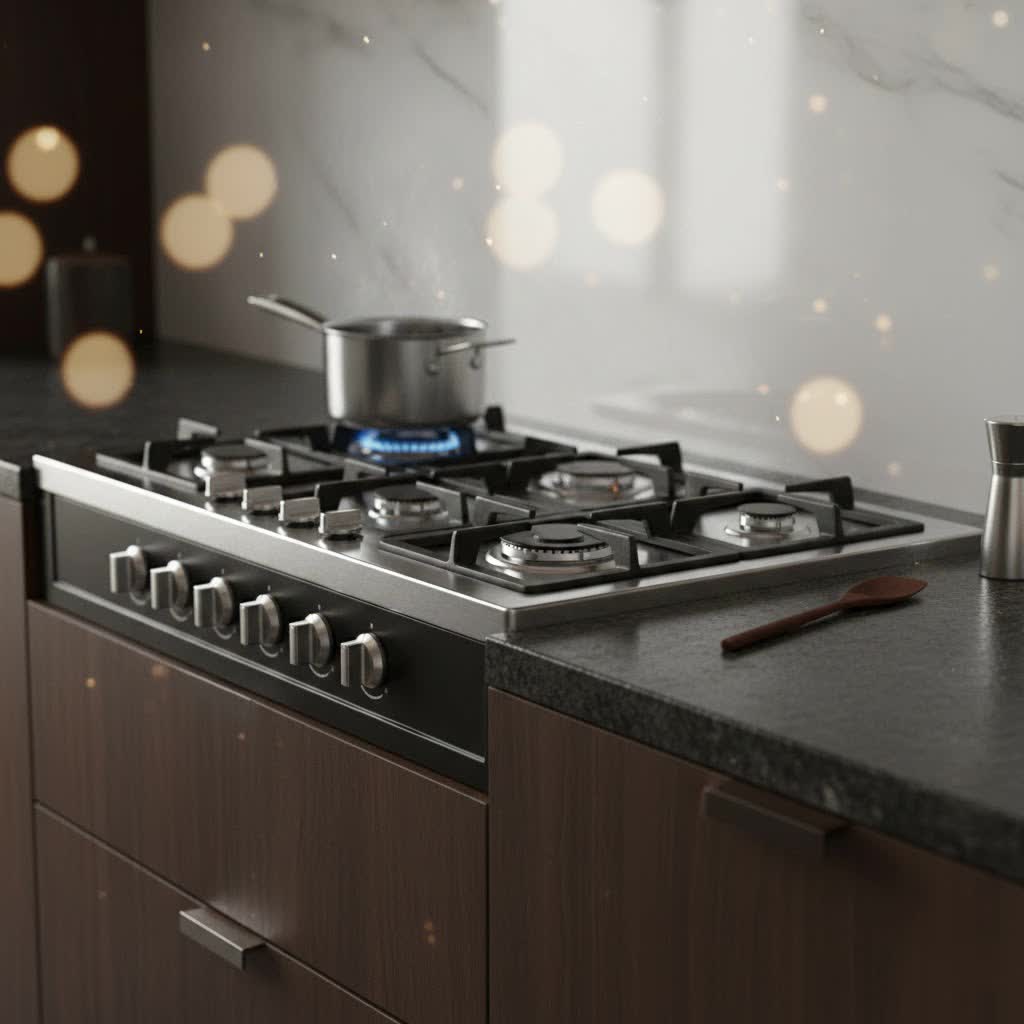
Understanding Range Control Placement: Front vs. Rear
When exploring the vast market of kitchen ranges, you’ll primarily encounter two distinct control panel configurations: front-mounted and rear-mounted. Each design caters to different preferences and kitchen layouts, often correlating with the overall style of the range itself. Understanding these foundational differences is key to determining which best suits your culinary habits and aesthetic vision.
What Defines a Rear Control Range?
Rear control ranges are traditionally known as “freestanding” models, characterized by a raised backguard that houses the control knobs or digital interface. This backguard serves a practical purpose, shielding the wall behind the range from splatters and heat.
- Traditional Aesthetics: Rear control ranges typically present a more classic or conventional kitchen look. They are often the go-to for replacements in existing kitchen layouts without extensive modifications.
- Protection: The prominent backguard provides a physical barrier, protecting your backsplash from cooking splashes and heat, which can be beneficial in busy kitchens.
- Installation Flexibility: With finished sides, freestanding rear control ranges can be placed almost anywhere in the kitchen, including at the end of a cabinet run or against a wall, without requiring custom cabinetry or precise countertop cutouts. This makes them a convenient and budget-friendly choice for many homeowners.
- Potential Drawbacks: One common complaint is the necessity to reach over hot pots and steaming dishes to adjust burner settings, posing a minor safety concern. The backguard can also obstruct an elaborate backsplash design. Furthermore, crumbs and spills may collect in the small gaps between the range and countertops.
What Defines a Front Control Range?
Front control ranges feature their knobs or digital touchpads on the front panel of the appliance, eliminating the need for a backguard. These are often associated with “slide-in” or “front-control hybrid” models.
- Modern Aesthetics: Front controls offer a sleek, streamlined, and modern look, seamlessly integrating into your kitchen cabinetry. The absence of a backguard allows your chosen backsplash to be fully visible and become a focal point.
- Enhanced Accessibility: With controls located at the front, adjusting settings is more convenient and safer, as you don’t have to reach over hot surfaces or boiling pots. This design also often makes them ADA compliant, providing easier access for individuals in wheelchairs or with mobility challenges.
- Cleaning the Backsplash: Without a backguard, cleaning the wall behind the range is often simpler, though careful attention is needed to prevent spills from dripping onto the controls themselves.
- Installation Nuances: While some front-control ranges (hybrids) have finished sides and are easy replacements for freestanding models, true slide-in ranges often have unfinished sides and are designed to fit precisely between countertops, creating a truly built-in appearance. This can require more specific installation and potentially countertop modifications.
- Safety Considerations: A concern for families with young children is the easier access to front-mounted knobs. However, many models feature push-and-turn knobs or offer optional safety locks to mitigate this risk.
Classifying Ranges by Control System and Design
Beyond just the control location, ranges are often classified by their installation type, which inherently links to where the controls are found. Understanding these distinctions is vital for envisioning how a range will integrate into your kitchen’s existing structure or a planned remodel.
Freestanding Ranges: The Versatile Workhorse
Typically featuring rear controls, freestanding ranges are the most common and versatile option. They are designed to stand alone, with finished sides that allow for flexible placement.
- Characteristics:
- Control Location: Rear-mounted backguard.
- Installation: Can be placed between cabinets, at the end of a cabinet run, or against a wall. No special countertop cuts are typically required.
- Appearance: Traditional, with a visible backguard.
- Price Point: Generally the most budget-friendly option.
- Ideal for: Quick replacements, rental properties, budget-conscious buyers, or kitchens that prioritize functional placement over a seamless aesthetic.
Slide-In Ranges: The Integrated Look
These models almost exclusively feature front controls and are designed to create a custom, built-in appearance. They often overlap the countertop slightly on the sides and at the back.
- Characteristics:
- Control Location: Front-mounted controls (knobs or digital display).
- Installation: Designed to fit precisely between cabinets. They typically have unfinished sides, meaning they must be installed between cabinetry. Countertops often need to be cut to fit around them at the back.
- Appearance: Seamless, integrated look that showcases the backsplash.
- Price Point: Generally higher than freestanding models due to their more specialized design and installation requirements.
- Ideal for: New kitchen construction, major remodels aiming for a high-end, custom aesthetic, or those desiring a truly integrated look.
Front-Control (Hybrid) Ranges: The Best of Both Worlds
A popular modern innovation, front-control hybrid ranges offer the sleek aesthetics of front controls combined with the installation flexibility of freestanding units.
- Characteristics:
- Control Location: Front-mounted controls.
- Installation: Like freestanding ranges, they have finished sides, allowing them to be installed anywhere a traditional freestanding range would go, without requiring countertop modifications.
- Appearance: Modern, backguard-free design that highlights the backsplash, similar to a slide-in.
- Price Point: Often fall between freestanding and true slide-in ranges, offering a balance of style and affordability.
- Ideal for: Homeowners seeking a modern look without the complexities and costs of a full kitchen renovation, or those upgrading from a rear-control freestanding range.
Comparison: Front Control vs. Rear Control Ranges
To help clarify your decision, here’s a detailed comparison focusing on key aspects that matter to homeowners.
| Feature | Front Control Range | Rear Control Range |
|---|---|---|
| Aesthetics | Modern, streamlined, seamless, showcases backsplash | Traditional, prominent backguard, can obstruct backsplash |
| Installation | Varies (slide-in requires custom fit; hybrid replaces freestanding) | Easy, flexible placement (finished sides) |
| Accessibility | Easier access, ADA compliant, no reaching over hot pots | May require reaching over hot surfaces to adjust |
| Safety | Push-and-turn knobs, optional locks for child safety; no reaching over steam | Knobs typically harder for small children to reach; steam/splatter risk when adjusting back burners |
| Cleaning | Easier backsplash cleaning; controls may collect spills | Backguard protects wall; crumbs can fall into side gaps |
| Price | Generally higher (especially true slide-ins) | More budget-friendly |
| Cooktop Space | Digital panels might slightly reduce usable cooktop area | Full cooktop area available, controls on backguard |
| Durability | Electronics on digital models can be susceptible to liquid damage | Electronics on backguard can be susceptible to steam damage from back burners |
| Ideal Use | Modern kitchens, remodels, accessibility needs, desire for a seamless look | Budget-conscious, easy replacement, traditional kitchens |
Expert Buying Guide: Choosing Your Ideal Range
Selecting the perfect range involves more than just picking a pretty appliance. It’s about finding a cooking companion that integrates flawlessly into your lifestyle and kitchen environment. Here’s a professional’s guide to making the smartest choice.
1. Define Your Kitchen’s Needs and Your Lifestyle
Begin by considering who uses your kitchen and how.
- Family Size & Cooking Frequency: A large family that cooks frequently might prioritize durability and multiple burners.
- Cooking Style: Do you bake a lot, often use large pots, or prefer quick stir-fries? This influences burner layout and oven features.
- Accessibility: If you or a family member use a wheelchair or have mobility issues, a front control range offers significant advantages due to its ADA compliance and easy-to-reach controls.
- Children or Pets: For homes with young children, safety is paramount. While front controls offer convenience, ensure models come with child lock features or push-and-turn knobs to prevent accidental activation. Rear controls might be inherently safer as they are out of immediate reach.
2. Assess Your Kitchen Layout and Renovation Plans
The design of your kitchen plays a crucial role in determining the best control placement.
- Existing Kitchen vs. New Build/Remodel: If you’re simply replacing an old range, a front-control hybrid (freestanding with front controls) is an easy swap for a traditional rear-control freestanding model, offering a modern upgrade without major renovations. For new builds or extensive remodels, a true slide-in front-control range can create a truly integrated, custom look.
- Backsplash Visibility: If you’ve invested in a beautiful tile or stone backsplash, a front control range without a backguard will showcase it fully. A rear control range will cover a portion of it.
- Countertop Configuration: True slide-in ranges require specific countertop cutouts to achieve their seamless fit. Ensure your installer is aware of these requirements if you choose this type.
3. Consider Material Quality and Durability
Regardless of control placement, the quality of materials impacts the range’s longevity and ease of maintenance.
- Cooktop Surface: Glass-ceramic surfaces are popular for electric models for easy cleaning. Stainless steel cooktops on gas ranges are durable but may require more effort to keep spotless around grates.
- Control Knobs: Look for sturdy, well-made knobs, preferably metal, which tend to be more durable than plastic. Removable knobs make cleaning easier.
- Oven Interior: Features like self-cleaning modes and durable enamel coatings will simplify oven maintenance.
4. Prioritize Safety Features
Modern ranges incorporate various safety enhancements.
- Automatic Shut-off: Some ranges include features that automatically shut off burners if left unattended for extended periods.
- Child Lock: Essential for front control ranges in family homes, a child lock prevents accidental changes to settings.
- Residual Heat Indicators: For electric cooktops, these lights warn you when a burner is still hot after being turned off.
5. Research Reputable Brands
While specific models were not extensively detailed in our research, consistently good brands tend to offer reliable performance across their product lines. Look for brands known for their customer service and warranty policies.
6. Compare Pricing and Purchase from Trusted Retailers
Front control ranges, especially slide-in models, often come with a higher price tag due to their design and installation complexities.
- Budget Alignment: Define your budget range and look for features that offer the best value within it.
- Retailer Choice: Purchase from reputable appliance stores or authorized online dealers. They often provide installation services, extended warranties, and knowledgeable sales staff who can answer specific questions about control types and compatibility.
Top Features to Consider in Front and Rear Control Ranges
While identifying specific “top 5 models” can be subjective and vary by market, focusing on key features can guide you to an excellent choice. Here are highly sought-after features applicable to both front and rear control ranges, depending on the model and price point.
- Convection Oven Technology: A fan-assisted heating system that circulates hot air evenly, leading to faster cooking times and more consistent baking results. Found in many mid-to-high-end models.
- High-Output Burners/Power Boil Elements: For gas ranges, these burners deliver intense heat for quick boiling or searing. For electric, power boil elements achieve similar rapid heating. Essential for those who frequently cook demanding dishes.
- Bridge Elements/Griddle Zones: Often found on electric cooktops, a bridge element connects two burners to create a larger, elongated heating surface, perfect for griddles or oversized pots. Gas ranges may include a removable griddle accessory.
- Air Fry Mode: A popular newer feature that allows you to air fry foods directly in your oven, offering a healthier and more convenient alternative to countertop air fryers.
- Smart Features & Wi-Fi Connectivity: Remote control via smartphone app, preheating the oven on your way home, or receiving notifications when food is ready adds convenience for tech-savvy users. These are more common in premium front-control models.
- Self-Cleaning & Steam Cleaning Functions: Reduce the effort required to maintain a clean oven interior. Self-cleaning uses high heat, while steam cleaning uses water and lower heat for lighter messes.
Choosing a range with a combination of these features, balanced with your budget and preferred control type, will ensure you find an appliance that enhances your kitchen.
Operating and Maintaining Your Range Safely and Effectively
Proper use and regular maintenance are crucial for extending the lifespan of your range and ensuring safe operation, regardless of where the controls are located.
Safe Usage Practices
- Child Safety: If you have a front control range and children, always engage child lock features if available, or consider knob covers to prevent accidental activation.
- Clearance: Ensure no flammable materials are near burners. Maintain a safe distance from walls and cabinets as per the manufacturer’s guidelines.
- Burner Size: Match pot and pan size to the burner. Using oversized cookware on smaller burners can lead to inefficient heating and potential heat damage to surrounding surfaces or controls.
- Avoid Overheating: Never leave cooking unattended, especially when using high heat. Overheating oils or fats can lead to fires.
- Read the Manual: Familiarize yourself with your specific range’s features, safety instructions, and recommended cleaning procedures.
Effective Cleaning and Maintenance
- Daily Wipe-Downs: Wipe spills and food splatters immediately after cooking and once the surface has cooled. This prevents food from baking onto the surface, making it harder to clean later.
- Control Panel Care: For front controls, wipe down knobs and the control panel regularly to prevent grease buildup. Remove knobs if possible for thorough cleaning. For rear controls, pay attention to spills that might drip onto the backguard.
- Oven Cleaning: Utilize self-cleaning or steam-cleaning features as recommended by the manufacturer. For manual cleaning, use oven-safe cleaners and follow instructions carefully.
- Check for Gaps: Periodically check the gaps around your range. For freestanding and hybrid front-control models, food debris can accumulate in side gaps, requiring regular cleaning to prevent pests and odors.
- Professional Servicing: Schedule professional inspections if you notice any persistent issues or changes in performance.
Common Range Issues and Simple Troubleshooting
Even the most reliable ranges can encounter minor issues. Knowing how to identify and address common problems can save you time and money.
1. Burner Not Igniting (Gas Ranges)
- Check Gas Supply: Ensure the gas valve is fully open.
- Clean Burner Port: Food debris can clog the igniter and burner ports. Carefully clean around the igniter with a brush or toothpick when the range is cool and off.
- Igniter Click: If the igniter clicks but no flame, there might be moisture. Allow it to air dry. If no click, it could be a faulty igniter or wiring.
2. Electric Burner Not Heating
- Power Check: Ensure the burner is properly seated in its receptacle. For coil elements, gently lift and reseat.
- Element Failure: If one element fails while others work, the element itself or its terminal block may be faulty.
- Control Knob/Switch: A worn-out control knob or infinite switch can prevent power from reaching the element.
3. Oven Not Heating or Inconsistent Temperature
- Preheat Time: Allow sufficient time for the oven to preheat fully.
- Door Seal: Check the oven door gasket for damage or gaps that could let heat escape.
- Baking Element (Electric): For electric ovens, if the bottom element isn’t glowing red, it might be faulty.
- Igniter (Gas): For gas ovens, if you don’t hear the igniter click and see a flame, the igniter may be failing.
4. Accidental Knob Activation (Front Control Ranges)
- Safety Features: Utilize push-and-turn functionality or child lock features.
- Knob Guards: Consider installing aftermarket knob guards if accidental activation is a frequent concern in homes with children.
5. Steam Damage to Rear Controls (Electric Ranges)
- Ventilation: Ensure adequate ventilation in your kitchen.
- Lids: Use pot lids to contain steam, especially when cooking on rear burners.
- Professional Inspection: If control issues persist after exposure to steam, a technician may need to inspect or replace electronic components.
For more complex issues, such as persistent gas odors, visible gas leaks, or electrical sparking, always prioritize safety. Turn off the gas supply or circuit breaker to the appliance immediately and contact a qualified appliance technician or your gas utility company. Never attempt repairs beyond your expertise, as this can pose serious safety risks.
Conclusion
Choosing between front control and rear control ranges ultimately boils down to a thoughtful balance of personal preference, kitchen design, and practical considerations like safety and accessibility. Rear control ranges, typically freestanding, offer a traditional look, easier installation, and often a more budget-friendly entry point, though they may require reaching over hot surfaces. Front control ranges, often associated with slide-in or hybrid designs, deliver a sleek, modern aesthetic, improved accessibility, and an unobstructed view of your backsplash, albeit often at a higher cost and with potential child safety considerations that can be mitigated by modern design.
By carefully evaluating your kitchen’s unique environment, your family’s needs, and your aesthetic desires, you can confidently select the range that not only elevates your cooking experience but also perfectly complements your home. What matters most is that your chosen range brings joy and efficiency to your daily culinary adventures.
