Stepping into the world of gas ovens, you’re faced with a choice that can significantly impact your cooking and baking results: conventional or convection. Both harness the power of natural gas or propane to deliver heat, but their methods of heat distribution set them apart, influencing everything from cooking times to the texture of your dishes. Understanding these differences is key to selecting the gas oven that perfectly aligns with your culinary aspirations and keeps your kitchen running smoothly.
What is a Gas Oven? Understanding the Basics
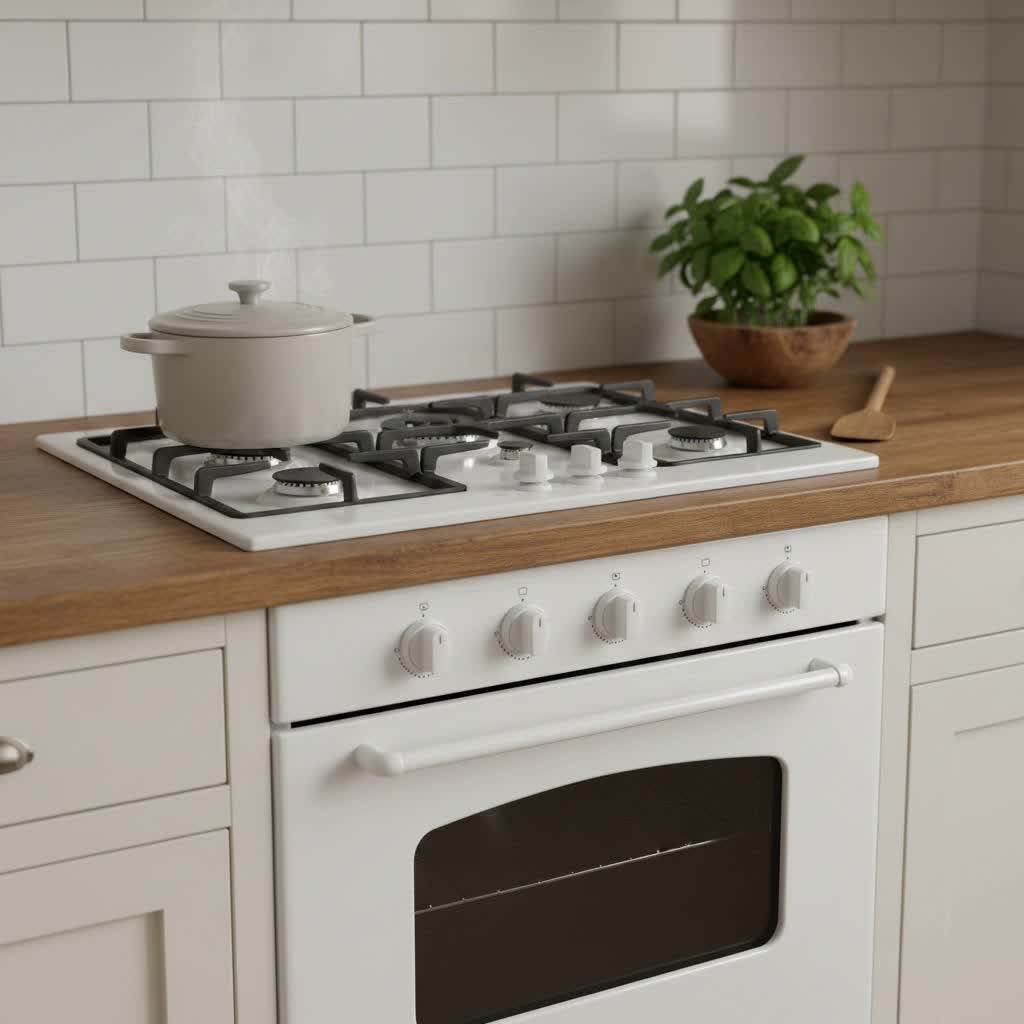
A gas oven is a cooking appliance that utilizes natural gas or propane as its fuel source. Unlike electric ovens that rely on heating elements to generate heat, gas ovens ignite a burner, typically located at the bottom of the oven cavity, to produce flame and radiant heat. This method offers several distinct advantages, making gas ovens a popular choice in many homes. One of the most cherished benefits is the immediate heat control they provide; when you adjust the temperature, the flame responds almost instantly, allowing for precise adjustments during cooking. Furthermore, the combustion process in gas ovens naturally releases moisture into the oven cavity, creating a slightly more humid environment. This characteristic can be particularly beneficial for certain types of baking, as it helps prevent foods from drying out. Gas ovens can be found as freestanding ranges (combined with a cooktop) or as built-in wall units, offering flexibility to suit various kitchen designs and layouts.
Conventional Gas Ovens: The Traditional Workhorse
The conventional gas oven is the classic appliance many home cooks grew up with, relying on time-tested principles to cook food. In a conventional gas oven, heat is primarily generated by a burner at the bottom of the oven and radiates upwards. This radiant heat, combined with some natural convection currents, cooks food. The heat distribution in a conventional oven means that the top of the oven cavity tends to be hotter than the bottom, and hot spots can occur.
Pros of Conventional Gas Ovens:
- Superior Moisture Retention: The natural humidity produced by gas combustion, combined with the lack of forced air circulation, helps maintain moisture in foods. This is ideal for dishes that benefit from a humid cooking environment.
- Ideal for Delicate Baking: Conventional gas ovens excel at baking items like delicate cakes, soufflés, custards, and certain breads that require a stable, moist, and still environment to rise properly and prevent a tough or dry crust.
- Instant Heat Control: Gas offers immediate temperature adjustments, allowing for quick responsiveness when fine-tuning cooking temperatures.
- Generally More Affordable: Conventional gas ovens often come with a lower initial purchase price compared to their convection counterparts, making them a budget-friendly option.
- No Learning Curve: Most recipes are developed for conventional baking, so there’s no need to adjust temperatures or cooking times.
Cons of Conventional Gas Ovens:
- Uneven Heat Distribution: Due to the single heat source and lack of forced air, conventional ovens can have noticeable hot and cool spots, often requiring users to rotate dishes for even cooking.
- Slower Cooking Times: Without a fan to actively circulate heat, conventional ovens generally take longer to cook food compared to convection models.
- Less Effective Browning and Crisping: The still air and higher humidity make it harder to achieve consistently crispy textures or deep, even browning on roasts or certain baked goods.
- Limited Multi-Rack Cooking: Cooking multiple dishes simultaneously can exacerbate uneven cooking, making it challenging to get consistent results across different racks.
A conventional gas oven is best suited for bakers who prioritize delicate textures and moisture, or for those who prefer traditional cooking methods and don’t mind rotating dishes occasionally.
Convection Gas Ovens: The Modern Advancement
A convection gas oven takes the foundational heat source of a gas oven and enhances it with modern technology: a fan. This fan, typically located at the back of the oven cavity, actively circulates the hot air around the food. In some advanced “true convection” or “European convection” models, a third heating element is placed around the fan, ensuring the circulated air is already at the desired temperature. This active air movement fundamentally changes how food cooks, offering several significant advantages for a diverse range of culinary tasks.
How Convection Gas Ovens Work:
The fan distributes the heat evenly throughout the oven cavity, eliminating hot and cold spots that are common in conventional ovens. This means that food cooks more uniformly, regardless of its position on a rack. The circulating hot air also strips away the insulating layer of cooler air that naturally surrounds food, transferring heat more efficiently and accelerating the cooking process. This also helps to quickly evaporate moisture from the food’s surface, promoting superior browning and crisping.
Pros of Convection Gas Ovens:
- Even Heat Distribution: The fan ensures consistent temperatures across all racks, virtually eliminating hot spots and the need to rotate dishes.
- Faster Cooking Times: With efficient heat transfer, food cooks significantly faster—often by 25% or more—which saves time and energy.
- Superior Browning and Crisping: The rapid circulation of hot, dry air creates beautifully caramelized exteriors on roasts, crispy skin on poultry, and perfectly browned baked goods.
- Effective Multi-Rack Cooking: You can bake or roast multiple trays of food simultaneously with consistent results, making it ideal for large gatherings or batch cooking.
- Energy Efficiency: While the oven itself might consume more power for the fan, the reduced cooking times can lead to overall lower energy consumption.
Cons of Convection Gas Ovens:
- Can Dry Out Delicate Foods: The forceful, dry heat can be detrimental to delicate items like soufflés, custards, or some cakes, potentially leading to dryness or uneven rising.
- Requires Recipe Adjustments: Most recipes are written for conventional ovens. When using convection, you typically need to reduce the temperature by about 25°F (15°C) or shorten the cooking time by 10-25%.
- Higher Initial Cost: Convection gas ovens, especially those with true convection, are generally more expensive than their conventional counterparts due to the added technology.
- Potential for Noise: The fan can produce a noticeable humming sound during operation, which might be a concern for some users.
Convection gas ovens are an excellent choice for those who frequently roast meats and vegetables, bake multiple batches of cookies, or want to reduce cooking times and achieve professional-level browning and crisping. Many modern convection ovens also offer a conventional baking mode, giving you the best of both worlds.
Key Differences: Convection vs. Conventional Gas Ovens
To make an informed decision, it’s helpful to compare the two types of gas ovens side-by-side. The fundamental distinction lies in how heat is managed and distributed within the cooking cavity.
| Feature | Conventional Gas Oven | Convection Gas Oven |
|---|---|---|
| Heat Distribution | Radiant heat, often hotter at the top; prone to hot spots. | Fan-circulated hot air; highly even heat throughout. |
| Cooking Speed | Slower, relies on gradual heat transfer. | Faster, due to efficient heat transfer by circulating air. |
| Moisture Retention | Higher, due to humid gas combustion and still air. | Lower, circulating air can dry out food more quickly. |
| Browning/Crisping | Less effective, results can be uneven. | Superior, consistent browning and crispy textures. |
| Energy Efficiency | Can be less efficient due to longer cooking times. | Potentially more efficient due to reduced cooking times. |
| Initial Cost | Generally more affordable. | Typically more expensive. |
| Ideal Uses | Delicate cakes, soufflés, custards, slow roasts, breads. | Roasting meats/vegetables, multiple cookie trays, pies. |
| Recipe Adjustments | None typically needed, follow standard recipes. | Often requires reducing temperature (25°F) or time. |
| Noise Level | Quiet operation. | Fan can produce a moderate humming sound. |
| Multi-Rack Cooking | Challenging to achieve even results. | Excellent for cooking on multiple racks simultaneously. |
This table highlights that while both are gas ovens, their cooking capabilities and ideal applications diverge significantly. The choice often comes down to your cooking habits and desired results.
Choosing Your Ideal Gas Oven: Expert Buying Guide
Selecting the right gas oven is a significant investment for your kitchen. As an Admin of ReviewHix.com with over a decade of experience, I recommend considering several crucial factors to ensure your choice perfectly fits your lifestyle and culinary demands.
1. Assess Your Cooking Style and Needs
Table is empty.This is the most critical step. Are you primarily a baker who loves delicate pastries, fluffy cakes, and moist breads? A conventional gas oven might be your best friend due to its humid, still environment. If, however, you frequently roast large cuts of meat, bake multiple trays of cookies, desire crispy vegetables, or appreciate faster cooking times, a convection gas oven will offer superior results. Consider the frequency and type of dishes you prepare most often.
2. Understand Your Budget
Gas ovens vary widely in price, with convection models generally being at the higher end due to the additional fan and sometimes an extra heating element. Determine a realistic budget before you start shopping, but remember to factor in long-term energy savings that a convection oven might offer due to faster cooking.
3. Consider Kitchen Space and Installation
Gas ovens come in various configurations:
- Freestanding Ranges: These combine an oven and a cooktop into a single unit and are often the most common choice. Ensure it fits your existing kitchen cut-out dimensions.
- Built-in Wall Ovens: These offer a sleek, integrated look and are installed into cabinetry at eye level. They require separate cooktops and specific cabinet dimensions.
- Slide-in Ranges: Designed to fit between cabinets for a custom, built-in look, with controls usually on the front.
Always measure your available space meticulously and confirm installation requirements for gas lines.
4. Look for Essential Features
Modern gas ovens offer a host of features that can enhance your cooking experience:
- Self-Cleaning Cycles: A major time-saver for maintenance.
- Convection Conversion (for convection models): Automatically adjusts conventional recipes for convection baking, simplifying use.
- Temperature Probes: For precise internal temperature monitoring of meats.
- Multiple Racks and Glide Racks: Enhance convenience and capacity.
- Preheat Times: Some ovens offer rapid preheat features.
- Proofing Mode: Ideal for bread bakers, maintaining a low, consistent temperature for dough to rise.
5. Prioritize Safety Features
Given that gas is a flammable fuel, safety is paramount:
- Automatic Gas Shut-off: A crucial feature that cuts off the gas supply if the flame extinguishes or a leak is detected.
- Child Lock: Prevents accidental operation, essential for families with young children.
- Ventilation: Ensure your kitchen has adequate ventilation (like a range hood) to manage combustion byproducts.
6. Research Reputable Brands
Opting for well-known brands like Rinnai, Paloma, Whirlpool, Bosch, or LG can offer peace of mind regarding quality, durability, and customer support. Read reviews and seek recommendations from trusted sources.
7. Compare Prices and Purchase Locations
Once you have narrowed down your choices, compare prices from various retailers, including appliance stores, big-box electronics stores, and reputable online platforms. Look for sales, discounts, and comprehensive warranty packages. Always confirm the return policy and availability of installation and service in your area.
> “The best gas oven isn’t the most expensive one, but the one that perfectly complements your cooking style and makes your time in the kitchen more enjoyable and efficient.” – Alex Chen, Lead Technician, ReviewHix.com
Mastering Your Gas Oven: Tips for Safe and Effective Use
Whether you choose a conventional or convection gas oven, proper usage and maintenance are essential for safety, efficiency, and longevity.
1. Correct Installation
Always ensure your gas oven is installed by a certified professional. Incorrect installation can lead to gas leaks, fire hazards, or inefficient operation. Verify that the gas line is properly connected and there’s adequate ventilation.
2. Preheat Properly
For consistent results, always preheat your oven to the specified temperature before placing food inside. While gas ovens heat up relatively quickly, allowing them to reach and stabilize at the desired temperature is crucial, especially for baking.
3. Understand Rack Placement
- Conventional Gas Ovens: Since heat rises, the top rack will be hotter, and the bottom rack will be less hot, but close to the burner. Use the middle rack for most general baking and roasting. Move food up for more browning, and down for less.
- Convection Gas Ovens: The even heat distribution means rack placement is less critical, allowing for multi-rack cooking. However, still avoid placing dishes too close to the fan for optimal airflow.
4. Adjust for Convection (If Applicable)
If you’re using a convection gas oven with a conventional recipe:
- Reduce Temperature: Lower the recommended temperature by 25°F (15°C).
- Reduce Cooking Time: Check food 10-25% earlier than the recipe suggests, as convection cooks faster.
- Convection Conversion Feature: If your oven has this, simply input the conventional recipe settings, and the oven will do the math for you.
5. Regular Cleaning and Maintenance
- Wipe Up Spills Immediately: Prevent baked-on food from becoming stubborn.
- Clean Regularly: Use oven-safe cleaners or the self-cleaning cycle (if available) to keep the interior pristine. Remove oven racks and clean them separately.
- Check Burners: Ensure gas burners are clean and free of debris for efficient flame.
- Ventilation: Keep your range hood filters clean for effective smoke and odor extraction.
6. Crucial Safety Reminders
- Never Use for Heating: Do not use your gas oven to heat your home. It can produce dangerous carbon monoxide.
- Gas Leaks: If you smell gas, immediately open windows, turn off the gas supply at the source (if safe), do not operate any electrical switches or appliances, and evacuate. Call your gas company or emergency services from outside.
- Keep Clear: Ensure flammable materials (curtains, towels, paper) are kept well away from the oven.
- Supervision: Never leave an operating oven unattended, especially when cooking with high heat or fats.
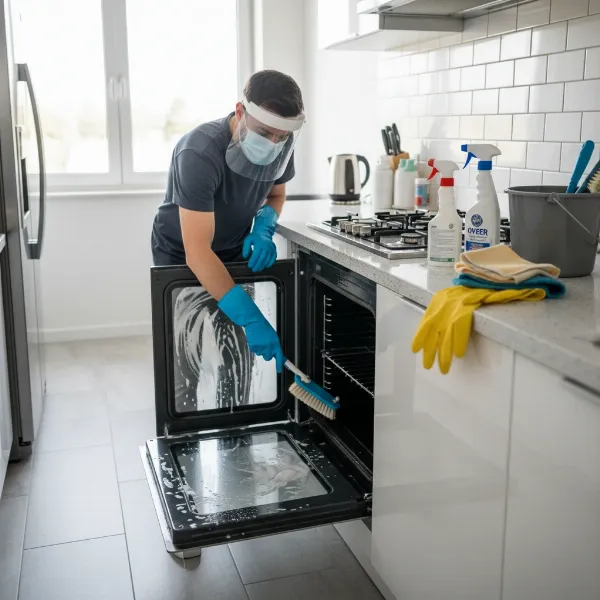 A person carefully cleaning the interior of a gas oven, emphasizing safety and regular maintenance.
Common Gas Oven Issues and How to Troubleshoot
Even with proper care, gas ovens can occasionally encounter issues. Here are some common problems and steps you can take to address them:
1. Gas Oven Not Igniting or Lighting Unevenly
- Check Gas Supply: Ensure the gas valve is fully open.
- Pilot Light (Older Models): For ovens with a pilot light, check if it’s lit. If not, refer to your owner’s manual for relighting instructions.
- Igniter (Newer Models): Listen for the clicking sound of the igniter. If you hear clicking but no flame, the igniter might be faulty or dirty. Clean it carefully with a toothbrush. If no clicking, check the power supply or circuit breaker.
- Clogged Burner Ports: Food debris can block the small holes where gas exits. Clean burner ports with a wire or needle (after ensuring gas is off and oven is cool).
2. Uneven Baking or Roasting
- Conventional Gas Oven: This is common. Try rotating your dishes halfway through cooking. Ensure the oven is fully preheated.
- Convection Gas Oven: While less common, if you experience unevenness, check if the fan is working properly. Also, ensure you’re not overcrowding the oven, which can obstruct airflow.
- Temperature Calibration: Ovens can sometimes be inaccurately calibrated. An oven thermometer can help verify the actual temperature. If consistently off, a professional can recalibrate it.
3. Oven Emits a Gas Smell
- Initial Use: A slight gas smell upon first use or after cleaning is normal as manufacturing oils burn off.
- Persistent Smell: If the smell is strong or persistent, or if you suspect a leak, do not use the oven. Turn off the gas supply, ventilate the area, evacuate, and immediately contact your gas company or a qualified technician. Never try to find a gas leak with an open flame.
4. Oven Door Not Sealing Properly
- A faulty door seal (gasket) can lead to heat loss and uneven cooking. Inspect the gasket for tears or damage. A damaged gasket needs to be replaced.
5. Self-Cleaning Cycle Not Working
- Refer to your owner’s manual for specific instructions. Ensure the door latch mechanism is fully engaged. If it consistently fails, there might be an electrical issue requiring professional repair.
When to Call a Professional:
While some minor issues can be troubleshot at home, always call a certified appliance technician or your gas company for:
- Persistent gas smells or suspected gas leaks.
- Any issues involving the gas line itself.
- Electrical problems where you are unsure of the cause.
- Ignition problems that persist after basic troubleshooting.
- Error codes displayed on digital models.
Prioritizing safety and calling a professional when in doubt is always the best course of action for gas appliances.
Conclusion
Choosing between a convection and conventional gas oven boils down to understanding their fundamental differences and how those align with your unique cooking needs. While the conventional gas oven offers reliable, moist heat ideal for delicate baking and traditional recipes, the convection gas oven provides faster, more even cooking with superior browning and crisping, perfect for roasting and multi-rack baking. Both offer the instant heat control and characteristic moist heat unique to gas fuel. By considering your budget, cooking habits, and desired culinary outcomes, you can confidently select the gas oven that will be a valued partner in your kitchen for years to come. What culinary masterpiece will you create first with your chosen gas oven?
Frequently Asked Questions
What foods are best for a conventional gas oven?
Conventional gas ovens are ideal for delicate baked goods that thrive in a moist, still environment, such as fluffy cakes, custards, soufflés, and certain types of bread. Their gentle, radiant heat helps prevent premature browning and drying, allowing these items to rise evenly and maintain tender interiors. They are also suitable for slow-cooking dishes.
When should I use the convection setting on my gas oven?
You should use the convection setting on your gas oven for tasks where even browning, crisping, and faster cooking are desired. This includes roasting meats and vegetables, baking multiple trays of cookies, pies, casseroles, or anything that benefits from a crunchy exterior. Remember to adjust your recipe’s temperature (down by 25°F) or cooking time (shorter) accordingly.
Do convection gas ovens use more energy?
While convection ovens use electricity to power their fan (and sometimes a third heating element), their ability to cook food faster and at slightly lower temperatures often results in a net reduction in overall energy consumption compared to conventional ovens over time. The energy savings can offset the minimal extra electricity used by the fan.
Can I use regular recipes in a convection gas oven without adjustment?
It’s generally not recommended to use regular (conventional) recipes in a convection gas oven without some adjustments. Convection cooks faster and more intensely. Failing to reduce the temperature by about 25°F (15°C) or shorten the cooking time by 10-25% can lead to overcooked, dry, or excessively browned results. Many modern convection ovens offer a “convection conversion” feature to automate these adjustments.
What is “true convection” in a gas oven?
“True convection,” also known as “European convection,” in a gas oven refers to a system that includes an additional heating element specifically around the convection fan. This ensures that the air being circulated throughout the oven is already preheated to the precise temperature, leading to even more consistent heating, faster cooking, and superior results, particularly for multi-rack baking, compared to standard convection which only uses the main oven burner for heat.
