Are you passionate about cooking, seeking to elevate your culinary creations with precision and consistency? Many home chefs dream of a kitchen appliance that offers the best of both worlds: the immediate responsiveness of gas for stovetop cooking and the even, consistent heat of electricity for baking. Enter the dual fuel range, a sophisticated appliance designed to meet these exacting demands. This comprehensive guide will explore everything you need to know about dual fuel ranges, from their fundamental benefits to installation intricacies, helping you make an informed decision for your kitchen.
What are Dual Fuel Ranges? A Comprehensive Overview
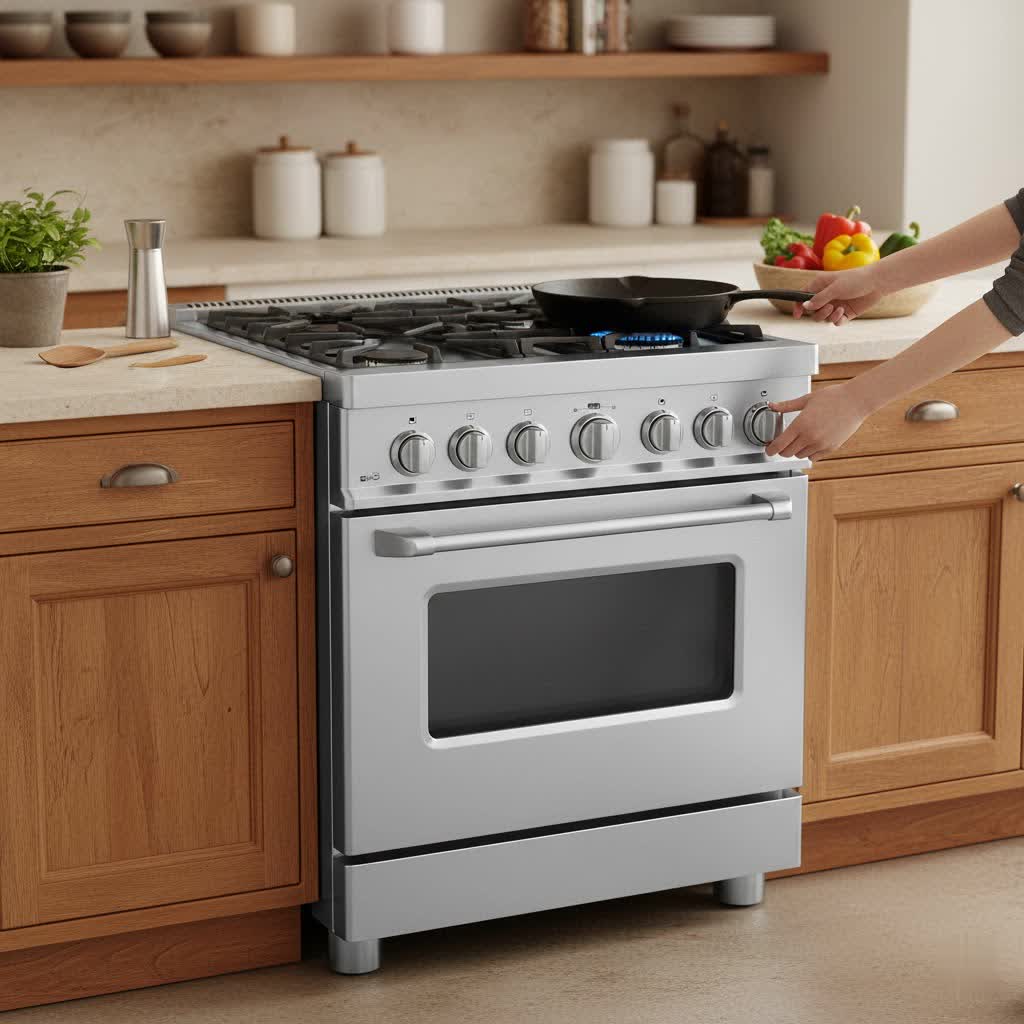
A dual fuel range uniquely integrates a gas cooktop with an electric oven within a single unit. This design capitalizes on the distinct advantages of each fuel type, offering unparalleled versatility for diverse cooking techniques. While traditional ranges use either gas or electricity for both components, dual fuel models are engineered for those who refuse to compromise on performance. They have become increasingly popular in modern kitchens, particularly among serious cooks and culinary enthusiasts who appreciate precise control over their cooking environment.
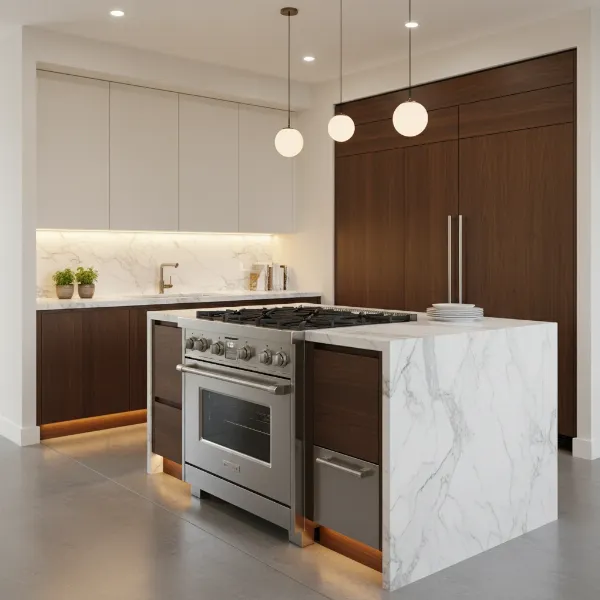 A modern kitchen featuring a sleek stainless steel dual fuel range with a gas cooktop and an electric oven, showcasing a blend of traditional and contemporary cooking elements.
Why Choose Dual Fuel? Unpacking the Advantages
The primary allure of a dual fuel range lies in its ability to harness the optimal heating properties of gas and electricity. This combination delivers a superior cooking experience, addressing the specific needs of different culinary tasks.
Gas Cooktop Precision
Table is empty.For stovetop cooking, gas is king. Gas burners provide instant heat, allowing for immediate temperature adjustments that are crucial for tasks like searing, stir-frying, or simmering delicate sauces. The visible flame offers intuitive control, letting you gauge heat levels at a glance. Whether you need a roaring boil or a gentle melt, a gas cooktop offers the responsiveness that many chefs prefer.
Electric Oven Consistency
Conversely, electric ovens are renowned for their consistent and even heat distribution. Unlike gas ovens, which can experience temperature fluctuations due to the cycling on and off of the flame, electric heating elements maintain a more stable environment. This drier, uniform heat is ideal for baking delicate pastries, achieving perfectly browned roasts, and ensuring consistent results across multiple racks, especially when coupled with convection technology. Many electric ovens feature true convection systems, circulating hot air for even faster and more consistent cooking.
This fusion of gas and electric power means you can perfectly sear a steak on the burners while simultaneously baking a flawless cake in the oven, without sacrificing performance on either front.
Dual Fuel Ranges vs. Other Types: A Detailed Comparison
When investing in a new range, understanding the differences between dual fuel, all-gas, and all-electric models is essential. Each type offers a unique set of pros and cons tailored to different cooking preferences, installation requirements, and budgets.
| Feature | Dual Fuel Range | All-Gas Range | All-Electric Range |
|---|---|---|---|
| Cooktop Fuel | Gas | Gas | Electric (coil, smooth top, or induction) |
| Oven Fuel | Electric | Gas | Electric |
| Cooktop Advantages | Instant heat, precise control, visual flame | Instant heat, precise control, visual flame | Easy to clean (smooth top), precise control (induction) |
| Oven Advantages | Even, consistent, dry heat for baking/browning | Moist heat (good for roasting), generally faster preheat than electric | Even, consistent, dry heat for baking/browning |
| Baking Performance | Excellent (electric oven) | Good (can have hot/cold spots, requires rotation) | Excellent (electric oven) |
| Roasting Performance | Excellent (electric oven, especially with convection) | Very Good (moist heat can be beneficial) | Excellent (electric oven, especially with convection) |
| Installation Notes | Requires gas line + 240V electric outlet | Requires gas line + 120V electric outlet (for igniter) | Requires 240V electric outlet |
| Price Range | Generally highest | Moderate | Moderate to High (induction can be premium) |
| Best For | Serious bakers and cooks desiring ultimate control | Cooks prioritizing gas for both stovetop and oven | Cooks prioritizing oven consistency or safety (no open flame) |
Dual fuel ranges often come with a higher upfront cost due to their advanced engineering and dual utility requirements. However, many find the enhanced precision and versatility well worth the investment.
Key Features and Innovations in Dual Fuel Ranges
Modern dual fuel ranges are packed with advanced features that enhance both performance and user convenience. Understanding these innovations can help you pinpoint the model that best suits your cooking style.
Burners are a critical component of any gas cooktop. High-end dual fuel ranges often boast professional-grade burners with varying BTU (British Thermal Unit) ratings, allowing for everything from rapid boiling and intense searing to delicate simmering. Features like sealed burners make cleaning easier, preventing spills from seeping into the cooktop. Some models offer specialty burners, such as a multi-ring burner for different pan sizes or a dedicated power burner for quick heat.
The electric oven section often features true convection systems, which use a third heating element and a fan to circulate hot air, ensuring uniform cooking without flavor transfer. Other innovations include steam assist functions for baking crusty breads or moist roasts, temperature probes for precise internal temperature monitoring, and multiple rack positions. Many contemporary dual fuel ranges also integrate smart technology, allowing for remote control via smartphone apps, recipe assistance, and diagnostic capabilities. Self-cleaning cycles, often pyrolytic or steam-based, simplify maintenance, though some crevices can still be tricky to clean. From sleek stainless steel finishes to customizable knob colors, aesthetic options abound to match any kitchen design.
Expert Buying Guide: Choosing the Best Dual Fuel Range for Your Kitchen
Selecting a dual fuel range is a significant decision. As a technician with over a decade of experience, I emphasize aligning your choice with your lifestyle, kitchen infrastructure, and culinary aspirations.
Determine Your Culinary Needs
First, honestly assess your cooking habits. Do you bake frequently, demanding consistent oven temperatures for pastries and cakes? Do you often sauté, stir-fry, or sear, requiring instant and precise control over your stovetop? If you prioritize both equally, a dual fuel range is an ideal match. Consider the size of your family and your entertaining habits; this will influence the required oven capacity and number of burners.
Budget Considerations
Dual fuel ranges generally represent a premium investment compared to all-gas or all-electric models. Prices can vary widely based on brand, size, features, and professional-grade construction. Set a realistic budget that includes potential installation costs for gas lines or electrical upgrades.
Installation Readiness
This is a crucial step often overlooked. Dual fuel ranges require both a dedicated natural gas or LP (liquid propane) line and a 220/240-volt, 25 or 30-amp electrical outlet. If your current kitchen only has one of these utilities, you will incur additional costs for professional installation to add the necessary connections. Always consult with licensed electricians and gas technicians.
Size and Configuration
Ranges come in various sizes (e.g., 30-inch, 36-inch, 48-inch) and configurations (freestanding, slide-in). Measure your kitchen space accurately, considering existing cabinetry and countertops. Slide-in models offer a built-in look, while freestanding ranges are more flexible. Larger ranges often feature more burners, griddles, or even double ovens.
Prioritize Safety Features
Modern dual fuel ranges come equipped with important safety features. Look for automatic gas shut-off mechanisms that activate if a flame goes out or if there’s an overheating issue. An anti-tip bracket is a mandatory safety device that must be installed to prevent the range from tipping over when the oven door is open.
Brand Reputation and Warranty
Research reputable brands known for their quality and customer service. Brands like Wolf, Miele, Thermador, Dacor, KitchenAid, LG, and Café often lead the market in dual fuel options. A good warranty provides peace of mind for your investment. Reading reviews from verified buyers can offer insights into real-world performance and reliability.
> “Choosing a dual fuel range isn’t just about buying an appliance; it’s about investing in a versatile culinary tool that transforms your cooking experience, offering unparalleled control for both your stovetop and oven.” – Admin ReviewHix.com, Gas Appliance Technician
Top 5 Dual Fuel Ranges: Our Expert Picks
Based on performance, features, and user satisfaction, here are five highly-regarded dual fuel ranges that stand out in the current market:
-
Dacor Transitional Dual Fuel Range: Praised for its intuitive control panel, sleek design, and powerful gas burners (16,000-22,000 BTUs). Its oven excels in heat distribution and offers unique features like Dual 4-Part Pure Convection for consistent baking without flavor transfer. While its self-clean function might not be perfect, its overall performance is exceptional.
-
KitchenAid KSDB900ESS Dual Fuel Range: This 36-inch slide-in model offers a beautiful stainless-steel aesthetic with precise gas burner control and an advanced electric oven. It boasts a large combined oven capacity, a steam rack, and a wireless meat probe. Its burners achieve remarkably low simmer temperatures, ideal for delicate tasks, and it ensures excellent baking.
-
Thermador 30-inch Dual Fuel Range (e.g., Pro Harmony PRD304WHU): Known for its patented Star® Burners that provide superior heat distribution and easy cleaning, offering both fierce searing and gentle simmering. The electric convection oven ensures even baking results. Thermador models often include smart functionality through Home Connect.
-
ZLine Professional Autograph Edition Dual Fuel Range: Offering impressive value, ZLine models provide a professional aesthetic with powerful gas cooktops and electric convection ovens. They are often available in various sizes and finishes, including unique polished gold or champagne bronze accents, appealing to those seeking both performance and distinctive design.
-
LG 30″ PrintProof™ Stainless Steel Slide-In Dual Fuel Range (e.g., LSDL6336F): This range combines strong gas burners (up to 20,000 BTU) with LG’s ProBake Convection® system for consistent, multi-rack cooking. It also integrates smart features via the ThinQ® app, allowing for convenient remote monitoring and control.
These models represent a range of sizes, features, and price points, catering to different needs while consistently delivering the dual fuel advantage.
Installation & Maintenance: Ensuring Safety and Longevity
Proper installation and diligent maintenance are key to the safe and efficient operation of your dual fuel range for many years.
Professional Installation
Due to the requirement for both gas and a high-voltage electrical connection, professional installation is non-negotiable. A licensed gas technician will ensure the gas line is correctly connected and leak-free, while a qualified electrician will verify that your home’s wiring can support the 220/240V, 25-30 amp electrical circuit needed for the electric oven. Always check local building codes, as they may have specific requirements for appliance installation. The anti-tip device must be securely installed to prevent accidents.
Ventilation
Adequate ventilation is crucial for any cooking appliance, especially gas cooktops. A powerful range hood is highly recommended to remove cooking fumes, steam, and heat, maintaining good air quality and preventing grease buildup in your kitchen. Ensure proper clearances from combustible surfaces above and around the range, typically 30-36 inches minimum to unprotected cabinets.
Usage Tips
Before using your new range, read the manufacturer’s manual thoroughly. For the first use or after extended periods of inactivity, ensure the appliance has been at room temperature (above 32°F / 0°C) for several hours to protect electronic controls. Familiarize yourself with preheating times and burner settings for optimal results.
Cleaning & Care
Regular cleaning of your dual fuel range will extend its lifespan and maintain its appearance. For the gas cooktop, wipe spills immediately from sealed burners and grates. Many grates are dishwasher-safe. For the electric oven, utilize its self-cleaning function if available, following the manufacturer’s instructions. For daily cleaning, a mild detergent and soft cloth are usually sufficient for both interior and exterior surfaces. Avoid abrasive cleaners that can damage finishes.
Common Dual Fuel Range Issues & Troubleshooting
Even high-quality appliances can encounter occasional issues. Here’s a look at common problems with dual fuel ranges and how to address them:
- Gas Burner Not Igniting: Check if the burner caps are properly seated and clean. Food debris can block the igniter. Ensure the gas supply valve is open. If the igniter clicks but no flame appears, it could be a gas flow issue or a clogged burner port. If there’s no clicking, check the electrical power to the range.
- Oven Not Heating Evenly: While less common in electric ovens than gas, slight inconsistencies can occur. Ensure the oven racks are not overloaded and that there’s adequate space for air circulation. If using convection, ensure the fan isn’t obstructed. For persistent issues, recalibration may be needed by a technician.
- Smell of Gas: If you detect a strong gas odor, immediately turn off the gas supply to the range and evacuate your home. Do not use any electrical switches or open flames. Contact your gas utility company and a qualified technician immediately. A faint odor when first using a gas appliance can be normal but should dissipate quickly.
- Oven Not Working (No Power): Check the circuit breaker for the 220/240V outlet. If it’s tripped, reset it. Ensure the range is properly plugged in. If other electrical components (like the display) are working, it could indicate a faulty heating element.
For complex issues, especially those involving gas lines or significant electrical problems, always call a certified professional technician. Attempting DIY repairs on gas or high-voltage electrical components can be dangerous.
Conclusion
Dual fuel ranges offer an unparalleled cooking experience by blending the immediate control of a gas cooktop with the consistent, even heat of an electric oven. This synergy allows home chefs to achieve professional-grade results, whether they are searing, simmering, baking, or roasting. While they represent a significant investment and require specific installation considerations, the versatility and performance benefits often justify the cost for passionate cooks. By understanding your needs, exploring available features, and ensuring proper installation and maintenance, you can confidently choose a dual fuel range that elevates your kitchen to new culinary heights.
What culinary masterpieces will you create with the precision and power of a dual fuel range?
Frequently Asked Questions
Are dual fuel ranges worth the extra cost?
For serious home cooks and bakers who prioritize precise stovetop control and consistent oven results, the investment in a dual fuel range is often considered worthwhile due to its superior performance and versatility.
What are the electrical requirements for a dual fuel range?
A dual fuel range requires a dedicated 220/240-volt, 25 or 30-amp electrical circuit for the oven, in addition to a natural gas or LP gas line for the cooktop.
Can I convert a dual fuel range to LP gas?
Most natural gas dual fuel ranges can be converted to use LP (liquid propane) gas. Conversion kits are often included with the appliance or can be purchased separately, but the conversion must be performed by a qualified gas technician.
Do dual fuel ranges preheat faster?
While electric ovens are known for consistent heat, they often have slightly slower preheating times compared to gas ovens. However, many electric ovens, especially those with convection, compensate with quicker and more even cooking once preheated.
How often should I clean my dual fuel range?
For optimal performance and hygiene, it is recommended to wipe down the cooktop after each use. The oven should be cleaned regularly, depending on usage, either manually with appropriate cleaners or by utilizing its self-cleaning cycle according to the manufacturer’s guidelines.
