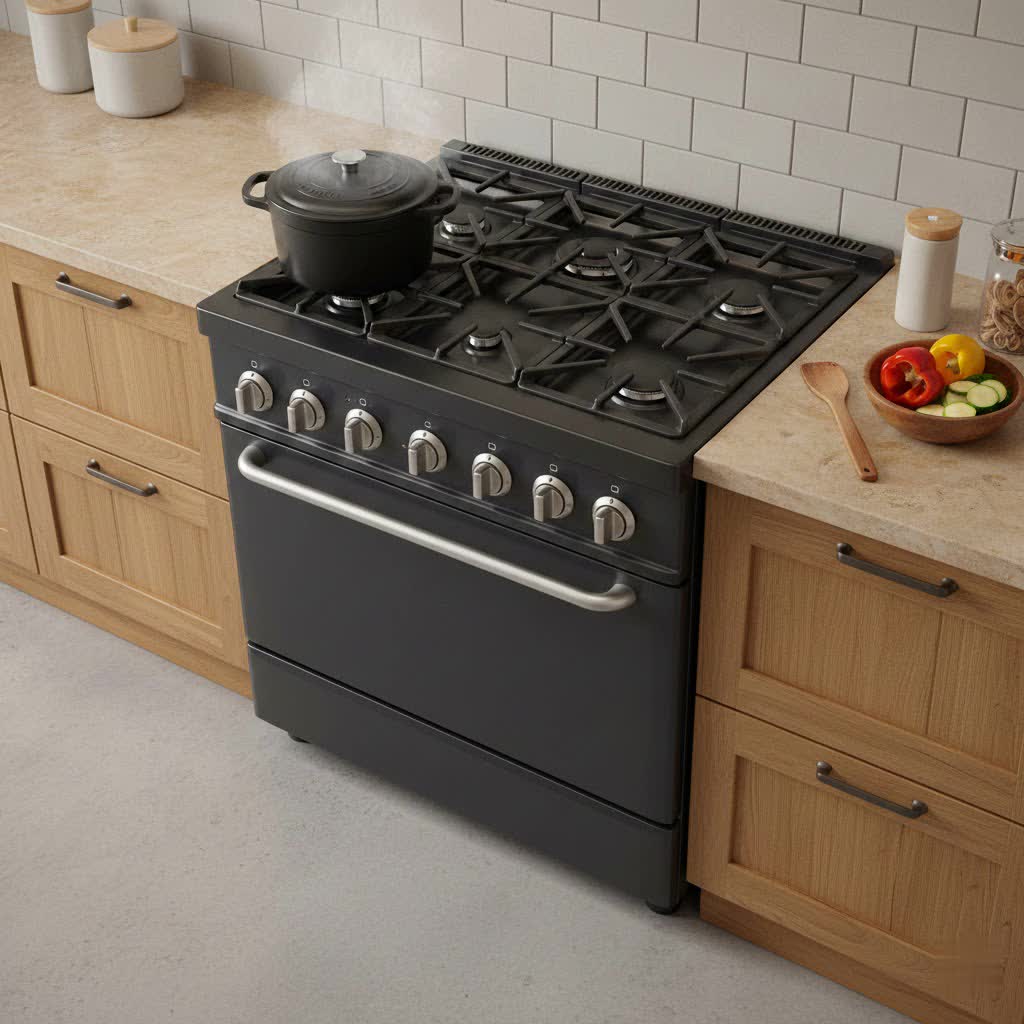
The kitchen has long been the heart of the home, and for many, the gas stove has been its steady, reliable pulse. Yet, a growing debate is sparking across the nation, questioning the future of these ubiquitous appliances. From concerns over indoor air quality to their environmental footprint, gas stoves are under increasing scrutiny, prompting many homeowners and policymakers to ponder: are gas stoves on their way out, or will they continue to be a staple in our kitchens? Let’s delve into the facts, explore the alternatives, and understand what the evolving landscape means for your cooking space.
The Growing Debate: Why Gas Stoves Are Under Scrutiny
For decades, the precise control and instant heat of gas stoves made them a preferred choice for home chefs and everyday cooking alike. However, recent scientific findings have brought their hidden drawbacks to light, sparking a contentious debate about their role in public health and environmental sustainability.
Health Implications: Invisible Pollutants and Respiratory Risks
Table is empty.When you ignite a gas stove, it’s not just heat you’re generating. The combustion of natural gas releases a cocktail of pollutants directly into your home’s air. These invisible emissions include nitrogen dioxide (NO2), carbon monoxide (CO), formaldehyde, and benzene. These compounds are far from benign, posing significant health risks, especially in poorly ventilated spaces.
Nitrogen dioxide, for instance, is a primary concern. Exposure to NO2 has been linked to various respiratory problems, including exacerbated asthma symptoms, obstructive pulmonary disease, and even an increased risk of developing lung cancer and diabetes. Studies have alarmingly suggested that gas stoves contribute to a notable percentage of childhood asthma cases, a statistic that draws parallels to the risks associated with secondhand smoke. Moreover, carbon monoxide, a colorless and odorless gas, can be lethal in high concentrations, leading to headaches, dizziness, and in severe cases, unconsciousness or death, particularly if the appliance is faulty or ventilation is inadequate. Benzene, another identified emission, is a known carcinogen, with levels in kitchens sometimes exceeding benchmarks set by environmental protection agencies and the World Health Organization.
 A person wearing a face mask while cooking on a gas stove in a kitchen with visible pollutants in the air, emphasizing health concerns.
Environmental Impact: Methane Leaks and Climate Change Contributions
Beyond immediate health concerns, gas stoves also play a role in the larger climate change crisis. Natural gas is primarily methane, a potent greenhouse gas that traps significantly more heat in the atmosphere than carbon dioxide over the short term. Gas stoves contribute to climate change in two main ways: through the carbon dioxide released during combustion and, crucially, through the leakage of unburned methane.
Research indicates that gas stoves leak methane even when they are turned off, adding to the overall greenhouse gas burden. These leaks, combined with combustion emissions, mean that cooking with gas stoves contributes millions of tons of carbon pollution annually. One significant study estimated that methane leaks from gas stoves in U.S. homes have a climate impact equivalent to the carbon dioxide emissions from hundreds of thousands of gasoline-powered cars each year. This dual impact on indoor air quality and global warming has placed gas stoves firmly in the crosshairs of environmental and public health advocates.
Are Gas Stoves Being Banned? Understanding the Regulatory Landscape
The debate surrounding gas stoves has led to widespread speculation about potential bans. It’s important to distinguish between federal actions, which primarily focus on efficiency, and local initiatives, which are driving a shift away from natural gas in new construction.
Federal Stance: Efficiency Standards, Not Outright Bans
Despite initial headlines and some misinterpretations, the U.S. federal government has emphatically stated that there are no plans for a nationwide ban on existing gas stoves. Federal agencies, including the Department of Energy (DOE), have clarified that claims of a widespread ban are “absurd” and “misinformation.”
Instead of a ban, the DOE is implementing new efficiency standards for gas stoves. These regulations, set to take effect in January 2028, aim to make new models more energy-efficient. It’s a measure to improve appliance performance, not to remove current gas stoves from homes or restrict consumer choice significantly. The final rule for these standards was notably less stringent than initially proposed, preserving the majority of gas cooktop models in the market after considerable feedback from manufacturers and consumers.
State and Local Initiatives: The Push Towards Electrification in New Buildings
While the federal government isn’t banning existing gas stoves, the landscape at the state and local levels is evolving. A growing number of cities and a few states are taking steps to phase out natural gas infrastructure in new construction, aiming to reduce greenhouse gas emissions and improve public health.
Berkeley, California, pioneered this movement in 2019 by becoming the first city to ban natural gas hookups in new buildings. This was a direct response to climate concerns, as natural gas accounted for a significant portion of the city’s emissions. Since then, many other cities, including New York City, Los Angeles, and Seattle, have implemented similar restrictions on natural gas consumption in certain new residences. Some states are also setting ambitious goals; for example, New York’s governor has expressed a target to outlaw natural gas heating and appliances in newly constructed buildings across the state. These local policies generally focus on new developments, meaning they do not affect existing homes with gas hookups. However, these initiatives do signal a broader trend towards electrification in modern building codes.
What This Means for Existing Gas Stove Owners
For those who currently own a gas stove, the good news is that there are no federal mandates or widespread state laws forcing you to remove your appliance. The new efficiency standards will only apply to models manufactured after January 2028, impacting future purchases, not your current setup. However, the ongoing discussions about health and environmental impacts underscore the importance of proper ventilation and maintenance for any gas appliance in your home. Being informed about these debates can help you make thoughtful decisions about future appliance upgrades or renovations.
Embracing Modern Alternatives: Your Future Cooking Options
As the debate around gas stoves continues, many homeowners are already exploring alternatives. The market offers a range of electric cooking solutions, each with its own set of advantages and considerations, providing options that are both efficient and increasingly popular.
Induction Cooktops: Precision, Speed, and Safety
Induction cooktops are emerging as a leading alternative to gas, often touted as the “best replacement” by appliance experts. They operate on a fundamentally different principle than traditional electric or gas stoves, using electromagnetic fields to directly heat the cookware itself, rather than heating the surface element or generating a flame.
This innovative technology offers significant benefits. Induction cooktops boast superior precision and speed, often boiling water faster than gas. They are highly energy-efficient because heat is generated directly in the pot, minimizing wasted energy. From a safety perspective, the cooktop surface remains relatively cool, reducing the risk of burns and making cleanup remarkably easy. The absence of an open flame or combustion also means no indoor air pollutants are emitted during cooking, addressing a major concern with gas stoves. The primary considerations for induction include a higher upfront purchase price, which can range widely, and the potential need for an electrical upgrade in older homes to accommodate the higher wattage. Additionally, induction requires cookware with magnetic properties, meaning some existing pots and pans may not be compatible.
 A sleek induction cooktop in a modern kitchen, with a pot heating up and no visible flame, highlighting efficiency and safety.
Electric Radiant and Coil Stoves: Accessible Electric Solutions
For those seeking electric options without the investment of induction, traditional electric radiant and coil stoves remain viable choices.
- Electric Radiant Smoothtop Stoves: These feature a glass-ceramic surface with heating elements underneath. They offer a sleek, modern aesthetic and are generally more affordable than induction cooktops. They provide a good balance between price and performance, though they take longer to heat up and cool down compared to gas or induction, retaining residual heat on the surface after use, which can be a safety consideration.
- Electric Coil Stoves: These are typically the most budget-friendly electric option, recognizable by their exposed metal coils. While they are reliable for everyday cooking, they are less energy-efficient and offer less precise temperature control than radiant or induction cooktops. They also require more effort to clean due to the exposed coils.
Beyond the Range: Countertop Appliance Innovations
For supplementary cooking or for individuals with limited space or specific needs, countertop appliances offer energy-efficient alternatives. Air fryers, toaster ovens, and multicookers (like Instant Pots) can handle many cooking tasks efficiently, serving as excellent complements to a main stove or even as primary cooking solutions for students or single occupants. While not full replacements for a traditional range, they significantly expand your cooking capabilities with minimal energy draw and no gas emissions.
Making the Transition: A Practical Buying Guide for the Electric Age
If you’re considering a move away from gas, a thoughtful transition can ensure you select the best electric cooking solution for your home and lifestyle. It’s more than just picking an appliance; it’s about understanding your current setup, future needs, and available support.
Assessing Your Home’s Readiness: Electrical Infrastructure and Budget
The first step in transitioning to an electric or induction stove is to assess your home’s electrical infrastructure. Induction and many electric ranges require a dedicated 240-volt circuit, which might necessitate an electrical panel upgrade or new wiring, especially in older homes. It’s advisable to consult with a qualified electrician to understand the scope and cost of any necessary electrical work. Your budget will also play a crucial role, encompassing not just the appliance cost but also potential installation and electrical upgrade expenses. While electric coil stoves are the most affordable upfront, induction cooktops, despite their higher initial cost, offer long-term energy savings and superior performance.
Understanding Available Incentives: Federal and Local Rebates
To encourage the adoption of more energy-efficient electric appliances, various incentives are becoming available. Federal programs, such as those initiated through the Inflation Reduction Act, offer rebates that can significantly offset the cost of purchasing new electric ranges or other energy-efficient home upgrades. These rebates can be substantial, often up to several hundred dollars for eligible households, making the transition more financially accessible. Additionally, many states, cities, and even local utility companies offer their own incentive programs, tax credits, or low-interest loans for home electrification. It’s worth researching what programs are available in your specific area to take advantage of these savings.
Choosing the Right Electric Appliance: Performance, Features, and Value
When selecting your new electric cooking appliance, consider your cooking style, frequency, and desired features.
- For precision and speed: Induction is unmatched, offering instant heat adjustments similar to gas, but with greater efficiency and safety.
- For a balance of aesthetics and performance: Electric smoothtop (radiant) stoves provide a modern look and consistent heat.
- For budget-conscious choices: Electric coil stoves are a reliable, cost-effective option for basic cooking needs.
Look for features like convection ovens, bridge elements for larger cookware, smart connectivity, and easy-to-clean surfaces. Always compare energy efficiency ratings, read reviews, and consider reputable brands known for durability and customer support to ensure you get the best value for your investment.
Ensuring Safety and Maximizing Efficiency with Any Stove
Whether you’re sticking with your Gas Stove or transitioning to an electric alternative, prioritizing safety and efficiency is paramount in any kitchen. Proper usage and maintenance practices are crucial for the longevity of your appliance and the well-being of your household.
Ventilation is Key: For Gas and Electric
Effective ventilation is the first