Cooking is an art, and every artist needs a clean canvas. For those of us who cherish our gas stoves, the cast iron grates are the unsung heroes, holding our pots and pans steady through countless meals. But over time, splatters, spills, and burnt-on food can turn these essential components into unsightly, greasy challenges. Neglecting them not only affects your kitchen’s aesthetics but can also compromise cooking efficiency and even pose a fire hazard. As an appliance technician with over a decade of hands-on experience, I understand the unique properties of cast iron and the best strategies to restore its glory. This comprehensive guide will walk you through proven methods, expert tips, and crucial maintenance steps to keep your cast iron gas stove grates looking and performing their best.
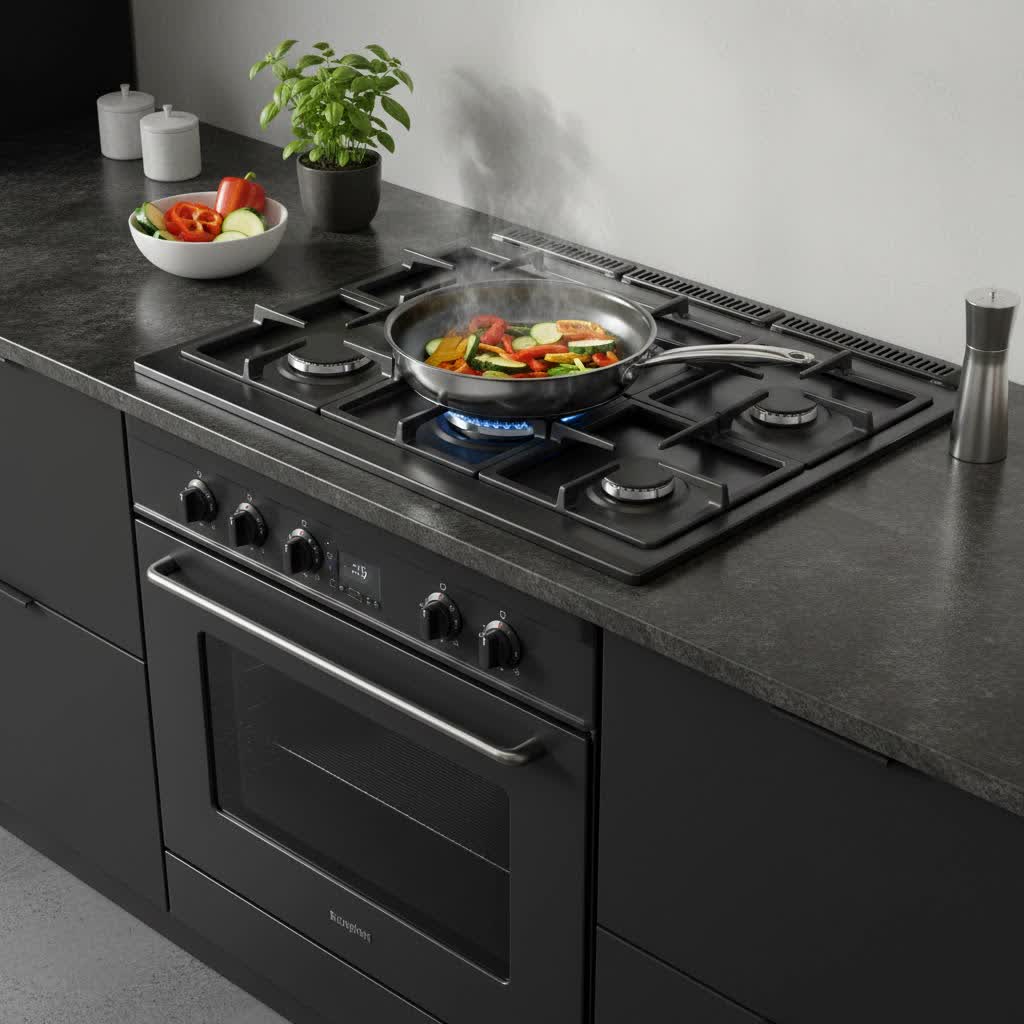
Understanding Your Cast Iron Grates
Cast iron has been a staple in kitchens for centuries, celebrated for its durability, excellent heat retention, and even heat distribution. On a gas stove, these heavy grates provide a stable surface, ensuring your cookware sits securely above the flames. However, their porous nature and susceptibility to rust demand a cleaning approach distinct from other kitchen surfaces.
Most modern cast iron grates come either uncoated or with an enamel or porcelain coating. Uncoated cast iron requires seasoning – a baked-on layer of oil that protects against rust and creates a non-stick surface. Enameled grates offer easier cleaning but can chip if mishandled. Recognizing your grates’ type is the first step in choosing the right cleaning method.
The Importance of Regular Cleaning
Beyond mere appearances, regularly cleaning your cast iron gas stove grates is paramount for several reasons:
- Safety: Grease and food build-up are highly flammable. An accumulation of these residues can ignite, posing a significant fire risk in your kitchen.
- Hygiene: Grimy grates can harbor bacteria and attract pests, impacting overall kitchen sanitation. You certainly don’t want food particles from yesterday’s dinner clinging to your grates while preparing today’s meal.
- Efficiency: A thick layer of carbonized food can interfere with heat transfer, reducing your stove’s efficiency and potentially leading to uneven cooking.
- Longevity: Proper cleaning and maintenance prevent rust and corrosion, extending the lifespan of your expensive cast iron grates and maintaining their structural integrity.
Essential Tools and Cleaning Agents
Before you embark on your cleaning mission, gather these essential items:
Tools You’ll Need:
- Non-abrasive sponges or cleaning pads: Essential for scrubbing without scratching.
- Nylon brushes: Stiff-bristled nylon brushes or old toothbrushes are excellent for reaching into crevices.
- Microfiber cloths: For thorough drying and polishing.
- Large sink, tub, or plastic container: For soaking.
- Rubber gloves: To protect your hands from cleaning agents and grime.
Recommended Cleaning Agents:
- Dish soap: A powerful degreaser for general cleaning.
- Baking soda: A mild abrasive that’s effective against stubborn stains and burnt-on food.
- White vinegar: Cuts through grease and grime, and helps dissolve rust. Use a 1:1 solution with water in a spray bottle.
- Degreasers/Oven Cleaners (Optional for heavy-duty grime): Products like Easy Off (fume-free is preferable), Krud Kutter, or heavy-duty citrus cleaners can tackle the toughest build-up. Always read product labels and use in a well-ventilated area.
- Cooking oil: For re-seasoning. Flaxseed, grapeseed, avocado, or even Crisco are excellent choices. Avoid regular vegetable oil as it can become sticky and yellow.
Step-by-Step Guide to Deep Cleaning Cast Iron Grates
Ready to bring your grates back to life? Follow these steps for a thorough and effective deep clean:
Step 1: Preparation – Cool Down and Clear Debris
Safety first! Ensure your stove is completely cool before you begin. Carefully remove the cast iron grates from the stovetop. Shake off any loose food particles or debris into the trash. For larger chunks, use a plastic scraper or a stiff brush to gently dislodge them.
Step 2: Soaking – Loosening the Grime
Soaking is often the secret weapon against stubborn, burnt-on messes.
- For Seasoned or Enameled Grates: Fill a large sink, tub, or plastic container with very hot water and a generous amount of dish soap. Submerge the grates completely and let them soak for at least 10-20 minutes, or even longer for heavily soiled grates. The hot water and soap will work to break down grease and soften burnt-on food.
- For Uncoated or Rusty Grates (Use Caution): If your grates are uncoated cast iron or show signs of rust, avoid prolonged soaking in plain water, as this can exacerbate rusting. Instead, prepare a solution of equal parts white vinegar and warm water. You can either soak them in this solution for a few hours (for rust) or spray the grates generously with a baking soda paste (made with water) and let it sit for 15-30 minutes. The acetic acid in vinegar helps dissolve rust and grease, while baking soda lifts grime.
Step 3: Scrubbing Away Grime
After soaking, the real work begins. The goal is to remove all softened residue without damaging the cast iron.
- Baking Soda Paste Method: If you didn’t use it for soaking, now is the time. Create a thick paste with baking soda and a little water. Apply it generously to the grates, focusing on areas with persistent grime. Use a non-abrasive sponge or a nylon brush to scrub vigorously. The mild abrasive quality of baking soda, combined with elbow grease, is highly effective.
- Vinegar Spray Method: For lighter grease and regular cleaning, spray the grates with a 1:1 water and white vinegar solution. Let it sit for about 30 minutes, then wipe clean with a damp sponge or cloth.
- Degreaser/Oven Cleaner Method (for toughest stains): If your grates have layers of carbonized grease, a specialized degreaser or fume-free oven cleaner can be incredibly effective. Spray the product evenly over the grates and follow the manufacturer’s instructions for resting time (typically 30-40 minutes). Make sure to do this in a very well-ventilated area, preferably outdoors. After the recommended time, use a non-abrasive scrubber to remove the loosened grime.
Pay special attention to all the nooks and crannies. An old toothbrush can be invaluable for reaching into tight spots and around burner holes. Avoid using metal scourers or steel wool, as they can strip away the seasoning and scratch the cast iron surface.
Step 4: Rinsing Thoroughly
Once you’ve scrubbed away all the grime, rinse the grates thoroughly under warm, running water. Ensure all cleaning solution and food residue are completely washed away. Any leftover soap or chemical residue can cause problems when the grates are heated again.
Step 5: Crucial Drying – Preventing Rust
This step is arguably the most important for cast iron. Cast iron and water are not friends, especially if left to air dry.
- Immediate Drying: Immediately after rinsing, dry the grates completely with a clean, absorbent microfiber cloth or towel. Do not allow them to air dry.
- Heat Drying (Optional but Recommended): For an extra measure, you can place the grates back on the stove and turn the burners on low for a few minutes. This will evaporate any residual moisture, preventing rust formation. Allow them to cool completely before the next step.
Step 6: Re-Seasoning (Optional but Highly Recommended)
Seasoning is the protective coating that shields cast iron from rust and provides a naturally non-stick surface. After a deep clean, especially if you used harsh scrubbing or degreasers, re-seasoning is essential to restore this protective layer.
- Choose Your Oil: Select a high smoke-point cooking oil such as flaxseed, grapeseed, avocado, or Crisco.
- Apply a Thin Layer: Apply a very thin layer of your chosen oil over the entire surface of each grate using a paper towel. The key is thinness – too much oil will result in a sticky residue. Wipe off any excess.
- Bake the Grates: Preheat your oven to 350-400°F (175-200°C). Place the oiled grates upside down on an old baking sheet (to catch any drips) and bake for 1 hour.
- Cool Down: Turn off the oven and let the grates cool completely inside the oven.
- Repeat (for optimal seasoning): For the best protection, repeat the oiling and baking process two or three more times. This builds up multiple thin, strong layers of seasoning.
Tackling Common Issues
Even with the best intentions, you might encounter specific challenges.
Burnt-on Food & Stubborn Grease
For truly entrenched grime, a multi-pronged approach often works best. Start with a prolonged soak in hot, soapy water. Then, apply a thick baking soda paste and let it sit for several hours or even overnight. Scrub with a nylon brush, and if necessary, follow up with a degreaser. Remember to always rinse thoroughly and dry immediately.
Rust Removal & Prevention
If rust has already formed, don’t despair!
- Vinegar Soak: Submerge the rusty grates in a 1:1 solution of white vinegar and water for several hours or overnight. The acid will help dissolve the rust.
- Scrub: After soaking, scrub the grates with a stiff brush or a non-abrasive pad to remove the loosened rust. For very stubborn spots, a baking soda paste can provide extra abrasive power.
- Rinse and Dry: Rinse thoroughly and immediately dry the grates completely.
- Season: Re-seasoning after rust removal is critical to prevent it from returning.
Prevention is always better than cure. The best way to prevent rust is to always dry your grates immediately after cleaning and ensure they are well-seasoned.
Maintenance Tips for Long-Lasting Grates
Keeping your cast iron grates in top condition is an ongoing process, not a one-time chore.
- Wipe Down After Each Use: For light spills and food debris, simply wipe down the grates with a damp cloth after they’ve cooled.
- Regular Light Cleaning: Aim for a light cleaning with hot soapy water and a sponge weekly.
- Avoid Harsh Chemicals and Abrasives: Steer clear of metal scouring pads, steel wool, and overly harsh chemical cleaners that can strip seasoning or damage the cast iron.
- Proper Storage: If you ever remove your grates for an extended period, ensure they are clean, thoroughly dry, and lightly oiled before storing them in a dry place.
Conclusion
Cleaning cast iron Gas Stove grates properly is a vital aspect of kitchen maintenance, ensuring safety, hygiene, and the longevity of your appliance. While it might seem like a daunting task, armed with the right tools and techniques—from the degreasing power of dish soap and the abrasive strength of baking soda to the rust-fighting properties of vinegar and the protective shield of seasoning—you can keep your grates pristine. Remember, consistency is key: regular care will prevent stubborn build-up and make your cleaning routine much easier.
What’s your go-to method for keeping your cast iron grates spotless? Share your tips and tricks in the comments below!
Frequently Asked Questions
Can I put cast iron grates in the dishwasher?
Generally, no. Most traditional cast iron grates are not dishwasher-safe as the harsh detergents and prolonged exposure to moisture can strip their seasoning and lead to rust. However, some newer stove models feature specially coated, dishwasher-safe cast iron grates; always check your appliance’s owner’s manual for specific instructions.
How often should I clean my gas stove grates?
For optimal hygiene and performance, it’s best to wipe down your grates after each use to remove light spills. A more thorough cleaning with soap and water should be done weekly, and a deep clean with a baking soda paste or degreaser applied as needed for stubborn build-up, typically monthly or bi-monthly.
What kind of oil is best for seasoning cast iron grates?
For seasoning cast iron grates, oils with a high smoke point and good polymerization properties are recommended. Flaxseed oil is often considered the best for creating a durable, non-stick finish, but grapeseed oil, avocado oil, or even Crisco shortening also work very well. Avoid vegetable oil, as it can become sticky and yellow.
My cast iron grates are rusty, what should I do?
To remove rust, soak the grates in a solution of equal parts white vinegar and water for several hours or overnight. Afterwards, scrub vigorously with a stiff nylon brush to remove the loosened rust. Rinse thoroughly, dry immediately and completely, then apply a thin layer of cooking oil and bake them in the oven to re-season and prevent future rust.
Can I use steel wool or abrasive scrubbers on cast iron grates?
It is generally advised to avoid steel wool or highly abrasive metallic scrubbers on cast iron grates, as they can scratch the surface, remove the protective seasoning, and make the grates more susceptible to rust. Opt for non-abrasive sponges, nylon brushes, or specialized non-scratch scrubbing pads instead.
