A sparkling clean kitchen brings a sense of calm and efficiency, but few sights are as disheartening as a gas stove adorned with stubborn, burnt-on grease. These unsightly marks aren’t just an aesthetic problem; they can impact your stove’s performance and even pose safety risks. If you’ve ever battled these persistent stains, you know that a quick wipe-down often isn’t enough. As an experienced technician with over a decade in the gas stove industry, I’ve seen every type of grease buildup imaginable. In this comprehensive guide, we’ll dive deep into effective strategies, expert tips, and essential safety precautions to help you restore your gas stove burners to their pristine condition, ensuring both longevity and optimal cooking efficiency.
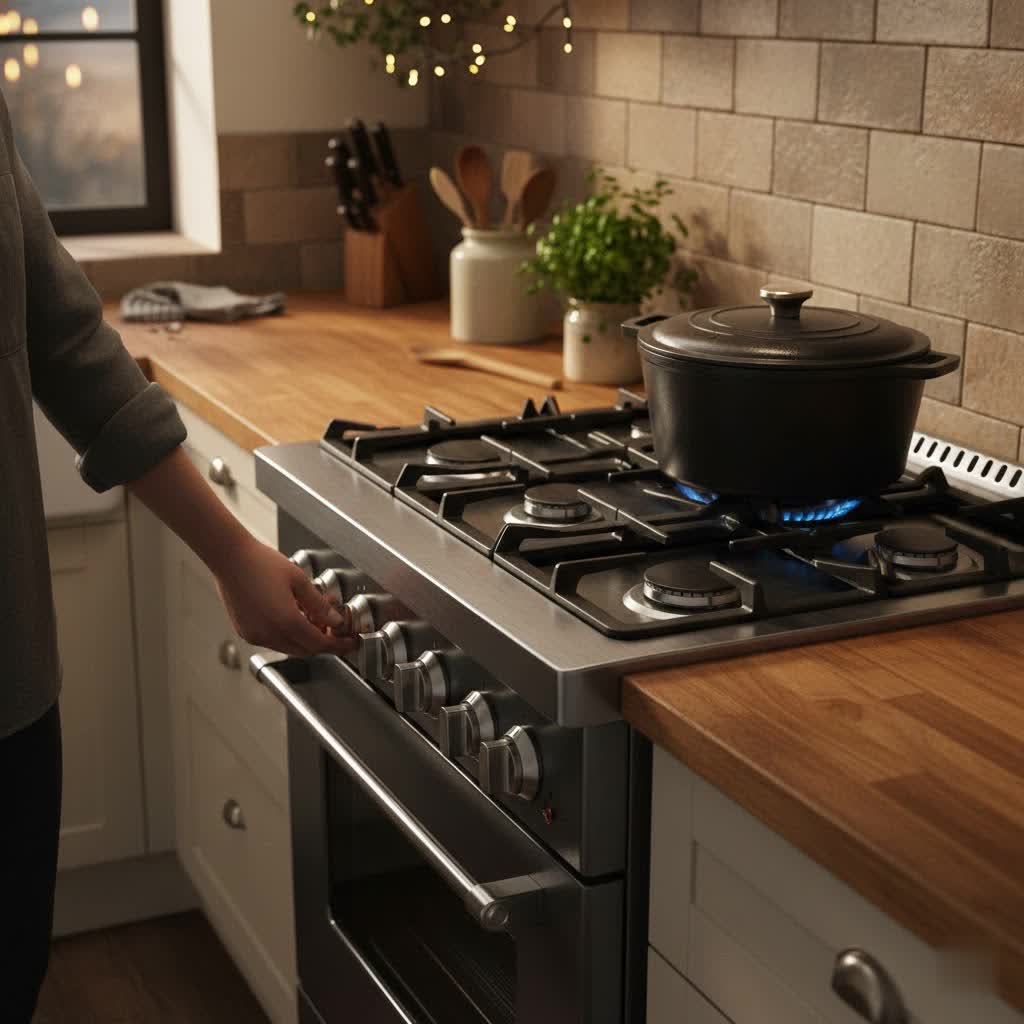
Understanding Burnt Grease on Gas Stove Burners
Burnt grease, often referred to as “baked-on” or “caked-on” grease, is more than just a simple food spill. When oils and fats are exposed to high heat over time, they undergo a chemical change known as polymerization. This process transforms liquid grease into a hardened, resin-like substance that strongly adheres to surfaces, making it incredibly resistant to ordinary cleaning methods. It’s essentially “cooked onto” your burner components, creating a challenge that requires specific techniques to overcome.
Cleaning burnt grease isn’t just about appearances; it’s crucial for your stove’s functionality and safety. Accumulations can block the small gas ports on your burner heads, leading to irregular flame patterns, yellow flames instead of blue, and reduced heating efficiency. In severe cases, it can even cause ignition issues. By regularly removing these deposits, you ensure that gas flows freely and burns cleanly, maintaining peak performance and extending the lifespan of your appliance.
The most common signs that your gas stove burners need a deep clean include:
- Yellow or Orange Flames: Healthy gas flames are typically blue. A yellow or orange tint indicates incomplete combustion, often due to clogged burner ports.
- Uneven Flames: If the flame isn’t uniform around the burner, some ports are likely blocked by grease.
- Difficulty Igniting: Stubborn residue can obstruct the igniter, making it harder for the burner to spark and light.
- Lingering Odors: Burnt food and grease can continue to emit unpleasant smells even after cooking.
- Visible Buildup: Dark, crusty layers on burner caps, heads, and grates are a clear indicator.
Essential Tools and Cleaning Agents for Stubborn Grease
Tackling burnt grease requires the right arsenal. Fortunately, many effective solutions can be found right in your pantry, while others are readily available commercial products.
Natural Solutions
- Baking Soda: This household staple is mildly abrasive and alkaline, making it excellent for breaking down acidic grease. It’s best used as a paste (three parts baking soda to one part water, vinegar, or lemon juice) to allow it to penetrate and lift the grime.
- Distilled White Vinegar: The acetic acid in vinegar acts as a natural degreaser. It’s superb for soaking burner parts or spraying directly onto greasy surfaces, helping to dissolve tough residue. Heated vinegar can be even more potent.
- Dish Soap (Degreaser): High-quality liquid dish soaps, especially those marketed as “degreasers” (like Dawn Power Wash), are effective at cutting through grease. A warm, soapy water soak is often the first line of defense.
- Lemon Juice: Similar to vinegar, the citric acid in lemon juice can aid in breaking down grease and leaves a fresh scent.
Commercial Options (for extreme cases)
- Fume-Free Oven Cleaner: For truly intractable, polymerized grease that natural methods can’t budge, a fume-free oven cleaner can be a powerful ally. Always use with caution, ensure good ventilation, and follow the product’s instructions carefully, especially on painted or delicate surfaces.
- Specialized Degreasers: Various commercial degreasing sprays are available, designed to penetrate and loosen baked-on residue. Look for non-abrasive formulas.
Tools
- Non-Abrasive Scrub Pads/Sponges: Essential for scrubbing without scratching delicate surfaces. Sponges like Scrub Daddy or Scrub Mommy are often recommended for their gentle yet effective scrubbing power.
- Old Toothbrush: Its small bristles are perfect for reaching into crevices, around burner ports, and other hard-to-reach areas.
- Straight Metal Pin or Paper Clip: Crucial for gently clearing clogged burner port openings. Never use a wooden toothpick, as it can break off and worsen the clog.
- Shallow Pan or Bowl: Ideal for soaking removable burner parts.
- Rubber Gloves: Protect your hands from harsh chemicals and cleaning solutions.
- Microfiber Cloths: Excellent for wiping away residue, rinsing, and buffing surfaces dry without leaving lint.
Step-by-Step Guide to Safely Removing Burnt Grease
Ready to reclaim your clean stove? Follow these steps for an effective and safe burnt grease removal process.
Step 1: Safety First – Prep the Stove
Before you begin any cleaning, safety is paramount.
- Ensure the stove is completely cool and all control knobs are in the “off” position. Attempting to clean a hot stove is dangerous.
- If your stove has a standing pilot light, shut off the gas valve to prevent accidental gas leaks. Refer to your appliance manual for its location.
- Carefully remove all stovetop grates, burner caps, and burner heads. Lift grates straight up to avoid scratching the stovetop surface, especially if it’s stainless steel. These removable components are where most of the burnt grease accumulates.
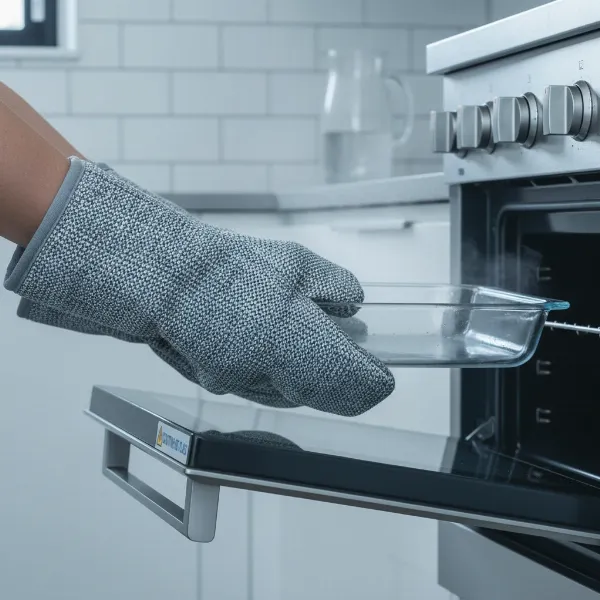 Hands carefully removing gas stove grates and burner caps from a cool stovetop, emphasizing safety before cleaning.
Step 2: The Soaking Method
Soaking is crucial for softening the hardened grease, making it much easier to remove.
- For burner caps and heads: Place these removed parts into a shallow pan or bowl. Fill it with hot, soapy water (using a good degreasing dish soap) or a half-and-half mixture of distilled white vinegar and water.
- For grates: If your grates are large, you might need to soak them in a sink or bathtub. Again, use hot soapy water or a vinegar-water solution.
- Allow the parts to soak for at least 20-30 minutes. For heavily soiled items, you might let them soak for a few hours or even overnight. This gives the cleaning solution time to penetrate and loosen the tough grease.
Step 3: Tackle Tough Stains with Baking Soda Paste
For burnt-on spots that resist the initial soak, a baking soda paste is your secret weapon.
- In a small bowl, mix three parts baking soda with one part water (or vinegar/lemon juice) to create a thick paste.
- Apply a generous layer of this paste directly onto the heavily stained areas of the burner caps, heads, and grates.
- Let the paste sit for another 15-30 minutes. For very stubborn buildup, extend this time to a few hours. The baking soda will work to further break down the grease and provide a gentle abrasive action.
Step 4: Gentle Scrubbing and Detailing
Now it’s time for some elbow grease, but remember to be gentle!
- Using a non-abrasive scrub pad or sponge, gently scrub the soaked and pasted burner parts. You should notice the grease starting to lift and detach.
- For the intricate areas, especially around the tiny gas ports on the burner heads, switch to an old toothbrush. Its smaller bristles can reach into tight spots to dislodge hidden grime.
- If you find any of the gas port openings still clogged, carefully use a straightened paper clip or a fine metal pin to poke through and clear them. Be extremely cautious not to damage the delicate metal or distort the size of the holes, as this can affect flame distribution. Absolutely avoid using wooden toothpicks, as they can break inside and cause a more serious obstruction.
Step 5: Rinse, Dry, and Reassemble
This step is critical for safe and effective burner operation after cleaning.
- Rinse all cleaned parts thoroughly under running water to remove all traces of cleaning agents and loosened grease. Shake off excess water.
- Air-dry completely is the most crucial part. Place all burner caps, heads, and grates on a clean towel or drying rack and allow them to air-dry fully. Any residual moisture can interfere with ignition or cause uneven flames, and may even lead to rust.
- Once bone-dry, carefully reassemble the burners. Ensure that burner caps are seated correctly over the burner heads and that grates are properly positioned. For electronic ignition stoves, avoid bending or damaging the ignition electrodes during reinstallation.
- Finally, turn the gas valve back on (if you turned it off) and test each burner to ensure it ignites quickly and produces a strong, even blue flame. If the flame is still irregular or yellow, recheck for any remaining clogs or moisture.
Cleaning the Stovetop Surface
While your burner parts are soaking or drying, don’t forget the stovetop surface underneath.
- Wipe down the entire stovetop with a damp cloth soaked in warm, soapy water or a vinegar-water solution.
- For any burnt grease directly on the stovetop, apply a baking soda paste and let it sit for 15-20 minutes, then scrub gently with a non-abrasive sponge.
- Wipe clean with a damp cloth and buff dry with a microfiber towel for a streak-free shine.
Expert Tips for Optimal Gas Stove Burner Maintenance
Maintaining your gas stove burners goes beyond occasional deep cleans. Implementing these expert tips will keep your stove performing at its best and make future cleaning much easier.
- Prevention is Key: The best defense against stubborn burnt grease is immediate action. Wipe up spills and splatters as soon as they occur and the stove is cool enough to touch. This prevents grease from baking onto the surface over time.
- Regular Cleaning Schedule: While deep cleaning is essential when you notice issues like yellow flames, a monthly deep clean for your burner parts and stovetop is ideal. For general maintenance, a quick wipe-down after each use will prevent significant buildup.
- Reading Your Appliance Manual: Every gas stove model has unique characteristics. Always consult your appliance’s owner’s manual for specific cleaning instructions, recommended products, and components that should be avoided. This ensures you clean effectively without voiding warranties or damaging your stove.
- What to Avoid:
- Abrasive Scrubber Pads or Steel Wool: These can scratch and damage the finish of burner caps, grates, and the stovetop.
- Bleach or Rust Removers: These harsh chemicals can discolor or corrode metal components.
- Wooden Toothpicks: As mentioned, they can break off and cause permanent clogs in burner ports.
- Consider Stove Protectors: Invest in removable gas range protectors or cooktop liners. These heat-resistant covers fit over your burners and collect spills, boil-overs, and grease splatters, significantly reducing the amount of cleaning required directly on your stove components. They are often dishwasher-safe for easy cleanup.
Common Challenges and Troubleshooting When Cleaning Burners
Even with the best techniques, you might encounter a few hurdles. Here’s how to troubleshoot common issues:
- Still Stubborn Stains? If some burnt grease stubbornly remains after the initial process, don’t despair. You can repeat the soaking and scrubbing steps, allowing for longer dwell times with the baking soda paste. For truly extreme cases, a targeted application of fume-free oven cleaner, carefully applied and covered for several hours (or overnight), might be necessary. Remember to ventilate your kitchen thoroughly and wear gloves if using commercial cleaners.
- Burner Not Igniting or Uneven Flame After Cleaning? This is often due to residual moisture or a blocked gas port.
- Moisture: Ensure all burner parts are completely dry. Even a tiny bit of water can disrupt ignition. Disassemble, re-dry, and reassemble.
- Clogged Ports: Re-inspect the gas ports on the burner head. Use a paper clip or fine metal pin to carefully clear any remaining debris. Make sure the burner cap is seated correctly.
- Damaged Electrode: If your stove has an electronic ignition, be careful not to bend or damage the ignition electrode when removing or reassembling the burner head. If it appears damaged, professional repair might be needed.
- Scratches on the Stovetop Surface? Prevention is key here. Always lift, rather than drag, heavy grates or cookware across the surface. Use only non-abrasive cleaning tools and agents. Unfortunately, deep scratches are difficult to remove and may require professional attention or touch-up kits if available for your stove’s finish.
A clean stove not only looks better but also functions more safely and efficiently. By understanding the nature of burnt grease and applying these proven cleaning methods, you can effectively tackle even the most stubborn grime. Regular maintenance and proper technique will ensure your gas stove remains a reliable and attractive centerpiece of your kitchen for years to come.
Frequently Asked Questions
How often should I clean my gas stove burners?
For optimal performance and appearance, a monthly deep clean of your gas stove burners and stovetop is recommended. Daily wipe-downs of minor spills, however, will significantly reduce the effort required for deep cleaning and prevent severe grease buildup.
Can I use oven cleaner on my gas stove burners?
Yes, fume-free oven cleaner can be used for severely burnt-on grease, especially on metal burner parts and grates. However, exercise caution: ensure proper ventilation, wear gloves, and always check your stove’s manual to confirm compatibility with specific finishes, as some surfaces (like painted stovetops) may be damaged by strong chemicals.
What causes yellow flames on my gas stove?
Yellow or orange flames on a gas stove typically indicate incomplete combustion, which is often a sign of clogged burner ports. Burnt grease and food particles can obstruct the flow of gas and air, preventing a clean, blue flame. Cleaning the burner heads and clearing the ports usually resolves this issue.
Is it safe to put gas stove grates in the dishwasher?
Many Gas Stove grates are dishwasher-safe, but it is crucial to consult your appliance’s owner’s manual first. Some materials, especially cast iron with certain coatings, may not be suitable for dishwasher cleaning and could be damaged. If safe, place them on the lower rack and use an aggressive cycle.
How do I prevent burnt grease buildup on my gas stove?
The best way to prevent burnt grease buildup is to wipe up spills and splatters immediately after they occur and the stove has cooled. Regular, light cleaning after each use, along with a monthly deep clean, will keep your burners pristine. Using gas range protectors can also significantly reduce grease accumulation on the stovetop.
