For decades, the Coleman Classic Propane Gas Camping Stove has been an indispensable part of countless outdoor adventures, from weekend car camping trips to family reunions in the wilderness. It’s more than just a piece of cooking equipment; it’s a symbol of simple, reliable outdoor cooking. If you’re wondering whether this enduring icon still holds its own in today’s market, you’ve come to the right place. This comprehensive review will delve into its design, performance, and overall value, helping you decide if the Coleman Classic is the perfect addition to your camp kitchen.
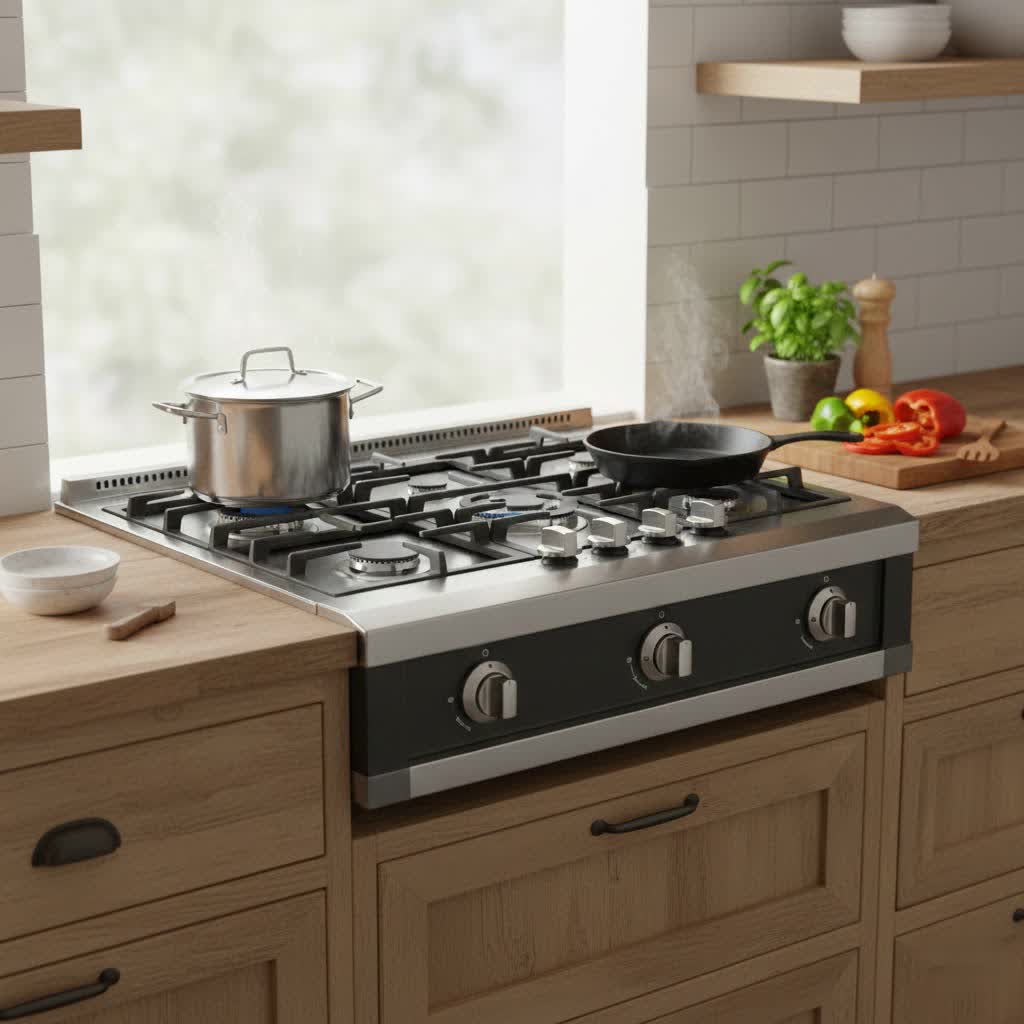
The Coleman Classic Legacy: A Pillar of Camp Kitchens
Table is empty.The Coleman brand has a rich history synonymous with outdoor gear, and their two-burner propane stoves, particularly the Classic model, represent a cornerstone of that legacy. These stoves are renowned for their straightforward design and dependable performance, making them a favorite among generations of campers. Far from being a niche product, the Coleman Classic targets a broad audience: car campers, families, and budget-conscious adventurers who prioritize a stable, versatile cooking platform over ultra-light portability or advanced features. Its continued popularity stems from a simple premise: it consistently gets the job done without fuss.
Unpacking the Features: What Makes the Coleman Classic Tick?
The Coleman Classic isn’t about groundbreaking technology; it’s about proven functionality and robust construction. Its core features are designed for practicality and ease of use in a camping environment.
- Dual Burner System: The stove typically features two independently adjustable burners, each offering up to 10,000 BTUs of cooking power for a combined total of 20,000 BTUs. This allows you to cook two dishes simultaneously, a significant advantage for preparing full meals.
- Propane Fuel: It operates on standard 16.4 oz disposable propane cylinders, which are readily available at most outdoor and hardware stores. While primarily designed for these smaller bottles, adapters are available for connecting to larger, refillable propane tanks, though Coleman generally recommends sticking to the intended 1lb canisters.
- Integrated Wind Guards: The clamshell design incorporates adjustable wind guards on the sides and back. These are crucial for maintaining flame consistency and heat efficiency in breezy conditions, preventing your cooking from being hampered by gusts.
- Durable Construction: Built to last, the Classic features a sturdy steel case with a baked-on enamel finish, providing excellent resistance to scratches and corrosion. The removable chrome-plated cooking grate is not only robust but also makes for easy cleaning.
- Portability: When packed, the stove’s clamshell design protects the burners and controls, creating a compact, suitcase-like unit with a built-in handle. Weighing approximately 10-12 pounds, it’s easily transportable for car camping, though too heavy for backpacking.
- Manual Ignition: Unlike some modern stoves that feature push-button igniters, the Coleman Classic requires manual lighting with a match or a long-nosed lighter. This is a minor inconvenience but contributes to its no-frills reliability, as there are no electronic parts to fail.
Performance on the Open Road: Cooking with the Classic
Performance is where the Coleman Classic truly shines for its intended purpose. It might not win speed contests, but it consistently delivers a satisfying cooking experience.
- Boil Time: While not the fastest, the Classic offers respectable boil times, typically bringing a liter of water to a rolling boil in about 5 to 6 minutes under calm conditions. This is perfectly adequate for most camp cooking needs, from morning coffee to rehydrating meals.
- Simmer Control: The stove provides decent simmering capabilities, allowing you to gently cook sauces or keep food warm. However, achieving and maintaining an extremely low and consistent flame can sometimes be a minor challenge, particularly on windy days.
- Heat Distribution: With two dedicated burners, you can easily accommodate two 10-inch pans or even a 12-inch and a 10-inch pan simultaneously. It’s worth noting that the smaller burner size can sometimes lead to hot spots in the center of larger pans, requiring occasional rotation for even cooking.
- Wind Resistance: The integrated wind guards are surprisingly effective. They do an admirable job of shielding the flames, ensuring more consistent heat and better fuel efficiency when a light breeze picks up, which is a common occurrence in outdoor settings.
- Stability: The wide base and sturdy construction provide excellent stability for various pots and pans, minimizing the risk of spills.
Pros and Cons: A Balanced View of the Coleman Classic
Like any piece of gear, the Coleman Classic has its strengths and weaknesses. Understanding these will help you determine if it aligns with your camping style.
Pros:
- Affordability: It offers exceptional value for money, making it an accessible option for many campers.
- Reliability & Durability: Known for its robust build, many users report their Coleman Classic stoves lasting for decades with proper care.
- Ease of Use: Simple to set up, operate, and transport, making it ideal for beginners and casual campers.
- Dual Burner Versatility: Allows for simultaneous cooking of multiple dishes.
- Effective Wind Protection: The integrated wind guards significantly help maintain flame stability.
- Easy to Clean: The removable grate and smooth enamel surfaces simplify cleanup after meals.
Cons:
- No Automatic Ignition: Requires a separate lighter or matches, which some modern users might find inconvenient.
- Moderate Boil Times: Not the fastest at boiling water compared to higher-BTU or integrated canister stoves.
- Potential for Hot Spots: Larger pans may experience uneven heating due to the burner size.
- Weight: At 10-12 pounds, it’s heavy for backpacking and best suited for car camping or short trips from the vehicle.
- Cool-down Time: The stove can take a while to cool down completely after use before it can be packed away.
Coleman Classic vs. The Rivals: Finding Your Best Fit
In a crowded market of camping stoves, the Coleman Classic holds a unique position. It’s important to understand how it stacks up against its competitors to make an informed choice.
Compared to high-performance stoves like the Camp Chef Everest 2X, the Classic typically offers lower BTU output, which translates to slower boil times and less rapid heating. These premium stoves often feature more precise flame control and integrated igniters, but they come with a significantly higher price tag.
On the other end of the spectrum are backpacking stoves such as the MSR PocketRocket or Jetboil systems. These are incredibly lightweight and compact, designed for minimalists and hikers where every ounce counts. However, they are generally single-burner units, less stable, and not designed for cooking large, multi-course meals like the Coleman Classic.
The Coleman Classic excels as a reliable, budget-friendly workhorse for car camping and family outings. It offers a stable cooking surface, the ability to cook multiple items, and a level of durability that many newer, more complex stoves struggle to match. Its enduring appeal lies in its simplicity and effectiveness for the average camper who values a hearty meal over cutting-edge features.
“The Coleman Classic is the Ford F-150 of camp stoves – it’s not fancy, but it’s dependable, gets the job done, and you see them everywhere for a reason.” – Johnathan Reed, Outdoor Gear Reviewer
Mastering Your Camp Kitchen: Usage and Maintenance Tips
To ensure your Coleman Classic serves you well for many years, proper usage and maintenance are key.
- Setup: Always place your stove on a flat, stable surface. Attach the propane cylinder firmly but do not overtighten. Ensure the windscreens are properly extended and locked into place.
- Safe Operation: Use the stove exclusively outdoors or in extremely well-ventilated areas to prevent carbon monoxide buildup. Keep flammable materials away from the stove. Always check for gas leaks by applying a soapy water solution to connections; if bubbles appear, there’s a leak, and the stove should not be used.
- Cleaning: After each use, allow the stove to cool completely. Remove the cooking grate and wash it with warm, soapy water. Wipe down the enamel surfaces with a damp cloth. Avoid abrasive cleaners or scouring pads that could scratch the finish. The removable grate makes deep cleaning considerably easier.
- Storage: Before storing, ensure the stove is thoroughly clean and dry to prevent rust or corrosion. Disconnect the propane cylinder and store it separately. The clamshell design protects the burners when folded, making it convenient to store in your gear shed or garage.
- Longevity: Regular cleaning and careful handling will significantly extend your stove’s life. Many users proudly own and operate Coleman Classics that are decades old, a testament to their robust design and your commitment to maintenance.
Troubleshooting Common Coleman Classic Issues
Even reliable stoves can encounter minor hiccups. Here are some common problems and how to address them:
- No Ignition: If your stove isn’t lighting, first ensure the propane cylinder is properly connected and has fuel. Next, check that the burner knobs are turned to the “light” position. Finally, make sure your match or lighter is producing a strong flame right at the burner.
- Weak or Inconsistent Flame: This often points to a low fuel level in the propane cylinder. Cold temperatures can also reduce propane pressure, leading to a weaker flame. Ensure adequate ventilation around the stove.
- Smell of Gas: If you smell gas, immediately turn off the stove and disconnect the propane cylinder. Move the stove to an open-air environment and perform a leak test with soapy water on all connections. If the smell persists or bubbles indicate a leak, do not use the stove and consider having it professionally inspected or replaced.
- Uneven Heating: If you notice one side of your pan heating more than the other, try using slightly smaller diameter pans or rotating your cookware periodically to ensure more even heat distribution.
Conclusion
The Coleman Classic Propane Gas Camping Stove continues to earn its status as a timeless piece of camping gear. While it may not boast the highest BTUs or the most advanced features, its unwavering reliability, straightforward operation, and exceptional value make it a compelling choice for casual campers, families, and anyone seeking a dependable outdoor cooking companion. For front-country adventures where robust performance and ample cooking space outweigh ultra-light portability, the Coleman Classic remains a champion. Are you ready to embrace the simplicity and reliability of this classic for your next outdoor meal?
Frequently Asked Questions
Is the Coleman Classic suitable for backpacking?
No, the Coleman Classic, weighing between 10-12 pounds, is generally too heavy and bulky for backpacking. It is best suited for car camping, tailgating, or other activities where you don’t need to carry your gear long distances.
Does the Coleman Classic come with an igniter?
No, the standard Coleman Classic Propane Gas Camping Stove does not typically include a built-in automatic igniter. You will need to use a match or a long-stem lighter to manually ignite the burners.
How do you clean a Coleman Classic stove?
To clean your Coleman Classic stove, allow it to cool completely. Remove the chrome-plated cooking grate and wash it with warm, soapy water. Wipe down the enamel surfaces of the stove body and wind guards with a damp cloth. Avoid abrasive cleaners to protect the finish.
Can you use larger propane tanks with a Coleman Classic?
While the stove is designed for 16.4 oz disposable propane cylinders, adapters are available that allow you to connect it to larger, refillable propane tanks (e.g., 20 lb tanks). However, Coleman generally recommends using the intended 1lb canisters.
Is it safe to use a Coleman Classic stove indoors?
No, it is not safe to use the Coleman Classic or any propane camping stove indoors. These stoves are designed for outdoor use only or in extremely well-ventilated areas to prevent the dangerous buildup of carbon monoxide, which is odorless and potentially lethal.
