Finding the perfect kitchen appliance can be a daunting task, especially when balancing performance with a strict budget. For many home cooks, the gas stove remains an indispensable tool, offering instant heat and precise temperature control that electric alternatives often can’t match. But how do you navigate the crowded market to find a reliable, efficient, and safe gas stove without spending a fortune? This article is your ultimate guide, designed to empower you to make an informed decision and discover top-performing budget gas stoves under $600 that will elevate your culinary experience without breaking the bank.
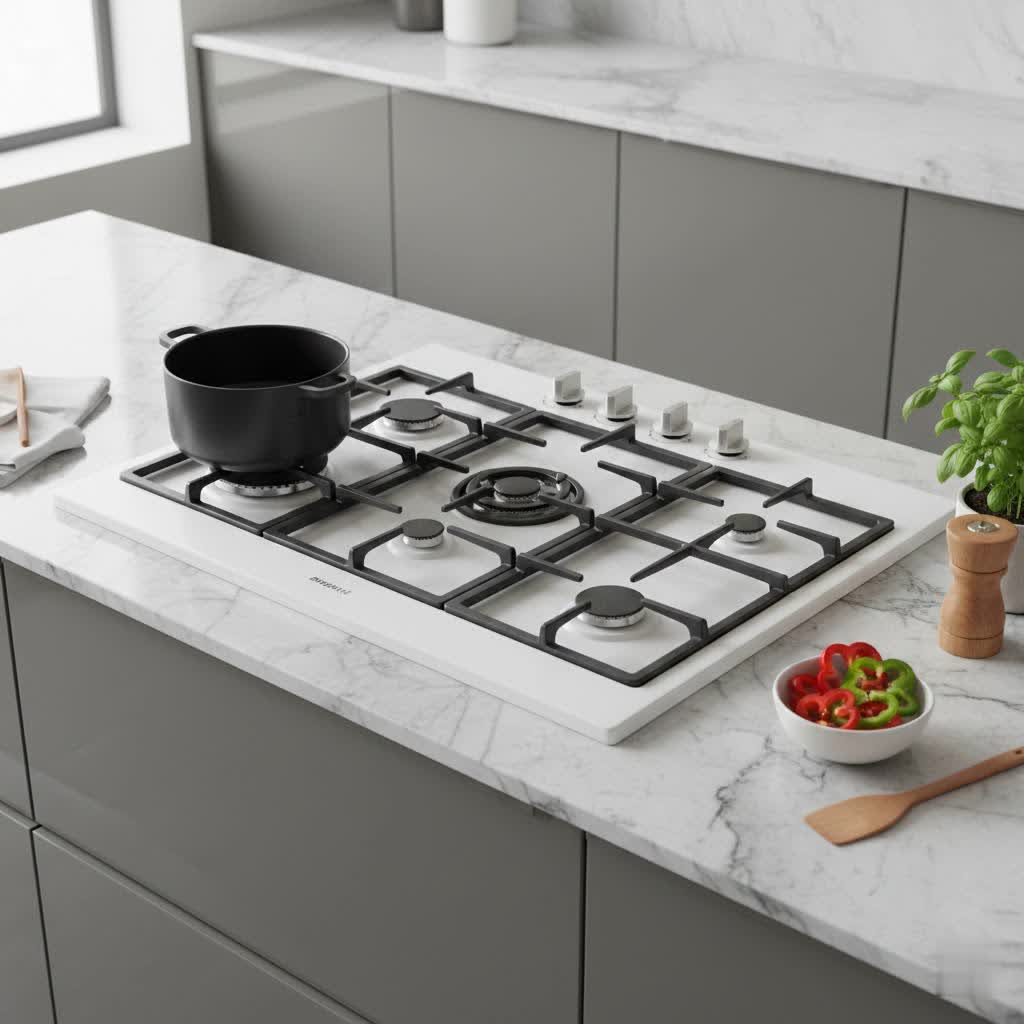
What is a Gas Stove? An Overview for Today’s Home Cooks
A gas stove is a kitchen appliance that uses natural gas or propane as fuel to provide a flame for cooking. Despite the rise of induction and electric cooktops, gas stoves continue to be a popular choice in many homes due to their immediate heat response and the visible flame, which offers intuitive control over cooking temperatures. This makes them particularly favored by those who enjoy pan-frying, wok cooking, or simmering delicate sauces.
The current market for gas stoves offers a variety of types, each with its own advantages. Freestanding gas ranges are the most common, featuring finished sides that allow them to be placed anywhere in the kitchen, often including an oven below the cooktop. Slide-in ranges are designed to fit between cabinets for a built-in look, usually lacking finished sides. For smaller spaces or specific needs, gas cooktops can be installed separately into a counter, and portable gas stoves cater to outdoor or temporary cooking. While professional-grade or smart-feature stoves can be costly, the budget segment focuses on reliable functionality and essential features for everyday home cooking.
Choosing Your Ideal Gas Stove: Key Classification Criteria
When selecting a gas stove, understanding the different ways they are classified can significantly narrow down your choices and help you find one that perfectly matches your cooking style and kitchen setup. These classifications often dictate the stove’s functionality, appearance, and ultimately, its price point.
One primary classification is by burner count, ranging from compact single-burner units ideal for small apartments or as auxiliary cooking spots, to standard double or four-burner models that suit most family needs. Some larger ranges might even offer five or more burners, though these are less common in the under $600 budget. The material of the cooktop surface also plays a crucial role in aesthetics and maintenance. Common options include stainless steel, known for its sleek, modern look and durability, and porcelain enamel, which is often more affordable and easier to clean. Tempered glass surfaces are usually found on more expensive models, offering a smooth finish but requiring careful handling to prevent scratches.
Furthermore, gas stoves are categorized by their ignition system. The most basic is the Magneto ignition, a manual method where a knob is turned to spark the gas, requiring no electricity. More common in modern stoves is the IC (Integrated Circuit) or electronic ignition system, which uses an electric spark to ignite the gas when the knob is turned, providing convenience and reliability. Lastly, stoves can be classified by special features that enhance cooking convenience or safety. These might include sealed burners for easier cleanup, simmer settings for low-heat cooking, or an automatic gas shut-off feature for added safety, though advanced features like griddles or smart controls are rare in budget models.
| Feature | Freestanding Gas Range | Gas Cooktop |
|---|---|---|
| Description | All-in-one unit with cooktop and oven. Finished sides. | Only cooktop, installed into a counter. |
| Pros | Versatile, common, easy to install, often includes oven. | Space-saving, customizable kitchen design. |
| Cons | Takes up floor space, less “built-in” look than slide-in. | No oven included, requires separate oven unit. |
| Price Range (Budget) | $400 – $600 | $200 – $500 (for basic units, without installation) |
| Ideal User | Most home cooks needing a full cooking solution. | Those with separate ovens or limited space for a full range. |
Expert Tips for Selecting a Gas Stove (Buying Guide)
Choosing the right gas stove requires a thoughtful approach, ensuring your investment meets your culinary needs and adheres to safety standards. As an experienced technician, I’ve seen countless stoves, and these insights will help you make a confident choice.
First, assess your usage needs. Consider your family size: a single person might do well with a compact unit, while a family of four or more will benefit from a standard four-burner range with a spacious oven. Think about your cooking frequency and habits. Do you cook daily, or only occasionally? Are you a baker, a stir-fry enthusiast, or someone who primarily uses the stovetop? Your answers will guide your decision on burner types and oven capacity. For instance, if you frequently entertain, a large oven cavity will be invaluable.
Next, choose the appropriate type of gas stove for your kitchen. Freestanding ranges are the most versatile and budget-friendly, suitable for almost any kitchen layout. They are easy to install and replace. If you have a smaller kitchen or prefer a more integrated look, some compact 20-inch or 24-inch gas ranges can still fit within the under $600 budget and offer a complete cooking solution. For modern kitchens seeking a seamless appearance, slide-in ranges are popular, but they generally exceed the $600 price point.
Pay close attention to material quality and durability. For the cooktop surface, porcelain enamel is a common and budget-friendly choice, known for being easy to clean. Stainless steel cooktops offer a more premium look but can show smudges and scratches more easily. Ensure the grates are sturdy – cast iron grates are heavy and durable, providing excellent heat retention, while lighter porcelain-coated steel grates are also common in this price range. For the oven, look for robust insulation and a durable interior finish.
Always check the ignition system. Electronic ignition systems, which spark automatically when you turn the knob, are standard and convenient. Manual ignition systems, though less common in full ranges, are highly durable as they have fewer parts to fail. Test the igniters if possible before purchase.
Prioritize safety features. A crucial safety aspect is a flame failure device, which automatically cuts off the gas supply if the flame accidentally extinguishes, preventing gas leaks. While not all budget models will explicitly list this, it’s a fundamental safety mechanism to look for. Also, ensure the stove carries relevant safety certifications.
When it comes to brand reputation, trusted names like Amana, Hotpoint, Avanti, and some entry-level models from Frigidaire or GE often offer reliable options within the budget. These brands have a track record for producing functional appliances, though perhaps with fewer bells and whistles.
Finally, compare prices and find a trustworthy retailer. Major appliance retailers, department stores, and authorized online dealers are usually good places to start. Look for sales, discounts, and clear warranty information. Always check customer reviews for insights into product performance and customer service.
“A common mistake budget buyers make is overlooking the long-term cost of a stove, not just the upfront price. Factor in energy efficiency and the cost of potential repairs. A slightly more expensive, durable model can save you money in the long run.” – John Smith, Senior Appliance Technician
Top 5 Budget Gas Stoves Under $600
Navigating the budget segment of gas stoves can be challenging, but several models stand out for their reliability, essential features, and excellent value. Here are five top picks that consistently receive positive feedback from home cooks.
-
Amana 30-inch Gas Range (AGR5330BAS)
- Description: This freestanding gas range offers a no-frills, dependable cooking experience. It features four sealed burners, including a versatile simmer burner, and a spacious oven cavity. Its robust design is built for everyday use.
- Pros: Very affordable, reliable performance, easy to clean with sealed burners, large oven capacity, simple controls.
- Cons: Basic aesthetics, lacks advanced features like self-cleaning or convection.
- Ideal User: Home cooks seeking a functional, dependable gas range without any unnecessary complexities.
 Amana 30-inch gas range in a clean kitchen setting, highlighting its functional design
-
Hotpoint 30-inch Gas Range (RGB500SENWW)
- Description: Hotpoint’s budget-friendly gas range focuses on simplicity and ease of use. It typically comes with four traditional burners and a conventional oven, designed for straightforward cooking tasks.
- Pros: Excellent value for money, durable construction, easy to operate, standard features cover most cooking needs.
- Cons: Limited design options, manual oven cleaning often required, basic temperature controls.
- Ideal User: Those on a tight budget who need a reliable, no-frills gas stove for daily meal preparation.
-
Avanti 20-inch Gas Range (GR201CS)
- Description: For smaller kitchens, apartments, or as a secondary cooking unit, the Avanti GR201CS offers a compact solution. This 20-inch model provides four gas burners and a compact oven, perfect for limited spaces.
- Pros: Space-saving design, fits into smaller kitchens, surprisingly good performance for its size, provides both cooktop and oven.
- Cons: Small oven capacity, fewer features than full-size ranges, may not be suitable for large families.
- Ideal User: Students, single individuals, or couples living in apartments or homes with limited kitchen space.
-
Frigidaire 30-inch Freestanding Gas Range (FCRG3015AW)
- Description: Frigidaire offers a solid entry-level gas range that balances performance with affordability. It typically includes four sealed burners, continuous grates for easy pot movement, and a generously sized oven.
- Pros: Reputable brand, solid build quality, sealed burners for easy cleanup, continuous grates, good oven performance.
- Cons: Design is somewhat utilitarian, oven preheat times can be average.
- Ideal User: Families looking for a reliable, well-known brand that delivers consistent cooking results without a premium price tag.
-
GE 30-inch Freestanding Gas Range (JGB635REKSS – older model, if available under $600)
- Description: While many GE models exceed the $600 budget, older or basic versions of the JGB635REKSS can sometimes be found within this price range, offering GE’s signature reliability. It typically features four powerful burners and a standard oven.
- Pros: Trusted brand reputation, durable construction, often good burner power, easy-to-use controls.
- Cons: Finding this specific model under $600 might require searching for sales or clearance items, may have fewer modern features.
- Ideal User: Consumers who prioritize a nationally recognized brand name and robust construction for long-term use, provided they can find a model within budget.
Using and Maintaining Your Gas Stove Safely and Efficiently
Proper usage and regular maintenance are key to ensuring your gas stove operates safely and efficiently for years to come. Neglecting these aspects can lead to performance issues, increased energy consumption, and even safety hazards.
Installation: For any new gas stove, professional installation is highly recommended to ensure proper connection to the gas line and electrical outlet, if applicable. A qualified technician will ensure there are no gas leaks and that the appliance is leveled correctly, preventing potential dangers. Do not attempt complex gas line connections yourself unless you are certified.
Safe Operation: Always ensure your kitchen is well-ventilated when using the gas stove, especially when cooking for extended periods. Never leave cooking food unattended, as flames can quickly get out of control. Use appropriately sized pots and pans for each burner to maximize efficiency and prevent heat from escaping unnecessarily. Keep flammable materials, such as dish towels or paper products, away from the burners. If you smell gas, immediately turn off all burners, open windows, and if the smell persists, evacuate and call your gas provider.
Cleaning and Maintenance: Regular cleaning is vital. For daily upkeep, wipe down the cooktop surface and control knobs with a mild detergent and a soft cloth after each use to prevent grease and food buildup. Remove burner grates and caps periodically for a deeper clean in warm, soapy water. For the oven interior, follow the manufacturer’s instructions, which may involve manual scrubbing with oven cleaner (ensure proper ventilation) or using a steam cleaning feature if your model has one. Avoid abrasive cleaners that can damage surfaces. Periodically check the gas lines and connections for any signs of wear or damage, though any repairs should be handled by a professional.
Common Gas Stove Problems and Troubleshooting Tips
Even the most reliable gas stoves can encounter issues over time. Knowing how to identify and address common problems can save you from unnecessary service calls and keep your kitchen running smoothly.
One frequent issue is the burner not igniting or sparking. First, check if the burner caps are properly seated. Food debris or moisture can clog the igniter ports, preventing a spark. Try cleaning around the igniter with a dry toothbrush or a small needle. Also, ensure the stove is plugged in (for electronic ignition) and that a circuit breaker hasn’t tripped. If one burner works but another doesn’t, it’s likely a localized issue with that specific burner or igniter.
Another common complaint is uneven flames or low flame output. This often indicates clogged burner ports. After ensuring the stove is cool and the gas supply is off, carefully remove the burner caps and heads. Use a paper clip or a fine wire to clear any debris from the small holes around the burner. Replace the parts, ensuring they are correctly aligned. If the issue persists, the gas pressure might be too low, which requires professional assistance.
A more serious concern is a smell of gas. If you detect a strong gas odor, immediately turn off all stove burners and the main gas supply valve to your house if you know where it is. Open all windows and doors to ventilate the area. Do not operate any electrical switches, light matches, or use your phone inside the house. Evacuate everyone and call your gas company or emergency services from a safe distance. This indicates a potential gas leak and requires immediate professional intervention.
Finally, if your oven isn’t heating properly or unevenly, ensure the oven door is sealing correctly and that no vents are blocked. For persistent issues like continuous gas odors, or problems that are beyond simple cleaning and troubleshooting, it’s always best to call a qualified technician. Tampering with gas lines or complex internal components without expertise can be dangerous.
Conclusion
Choosing the right budget gas stove under $600 doesn’t mean compromising on quality or safety. By understanding your specific cooking needs, recognizing the key features that matter, and prioritizing reputable brands, you can find a gas stove that delivers reliable performance and enhances your home cooking experience. Remember, proper installation, diligent maintenance, and awareness of common issues are equally crucial for enjoying your appliance safely and efficiently for years to come. With this guide, you’re now equipped to make a smart, informed decision that brings the joy of gas cooking into your kitchen. What culinary adventures will you embark on with your new gas stove?
Frequently Asked Questions
What are the most important safety features to look for in a budget gas stove?
Table is empty.The most critical safety feature is a flame failure device, which automatically cuts off the gas supply if the burner flame goes out. Also, look for sturdy construction, stable grates, and ensure the stove has proper safety certifications from organizations like UL or CSA.
Can I install a gas stove myself to save money?
While some basic installations might seem straightforward, it is highly recommended to have a qualified professional install any gas stove. This ensures proper connection to the gas line, checks for leaks, and guarantees the appliance operates safely, minimizing risks like gas leaks or carbon monoxide exposure.
How often should I clean my gas stove for optimal performance?
For optimal performance and hygiene, the cooktop and grates should be wiped down after each use to prevent food and grease buildup. A deeper cleaning of burner caps and heads, along with the oven interior, should be performed every 1-3 months, depending on usage frequency.
Are budget gas stoves less durable than more expensive models?
Not necessarily. While budget Gas Stoves might feature simpler designs and fewer advanced features, reputable brands often use durable materials and reliable components for their entry-level models. Focusing on well-known brands and checking user reviews for longevity can help ensure you choose a durable option within your budget.
What is the difference between sealed and open burners?
Sealed burners are permanently fixed to the cooktop, with no gaps around them, which makes cleanup significantly easier as spills don’t fall into the burner area. Open burners have removable caps and allow spills to go underneath, making them harder to clean but often preferred by some professional chefs for slightly better heat distribution. For most home cooks, sealed burners are more practical.
