Cooking is one of life’s great pleasures, but the joy of a delicious meal can often come with an unsightly aftermath: grease splatters, food stains, and even heat damage on the wall behind your gas stove. Over time, these can degrade your kitchen’s aesthetic and even pose safety risks. Fortunately, protecting this high-traffic area is simpler than you might think, ensuring your kitchen remains both beautiful and functional. This comprehensive guide will walk you through the essential strategies, materials, and maintenance tips to safeguard your wall effectively.
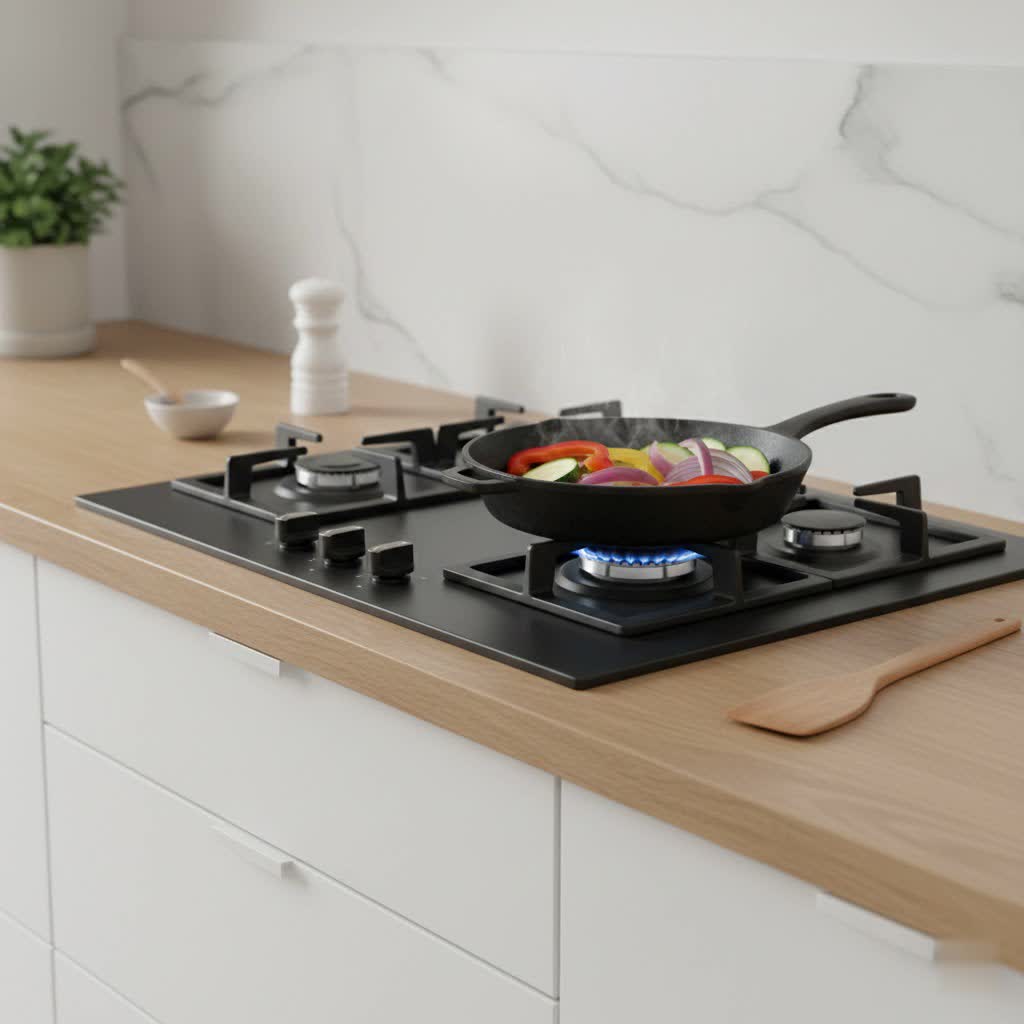
Understanding the Threats: Why Your Kitchen Wall Needs Protection
The area behind your gas stove is a battleground against various kitchen culprits. Primarily, it faces a dual assault from cooking by-products and intense heat.
Grease and food splatters are the most immediate and visible threats. Frying, sautéing, and boiling can send tiny particles of oil, sauces, and food flying onto your walls. These splatters are not only unsightly but can also be difficult to clean, leading to permanent stains and a sticky residue that attracts dirt and bacteria. Over time, this buildup can ruin painted surfaces and even seep into porous materials.
Beyond mere mess, heat is a significant concern. While modern gas stoves are designed with safety in mind, prolonged exposure to high heat can cause painted walls to discolor, peel, or even crack. Combustible materials, such as drywall or wood, can degrade over time, posing a potential fire hazard if not adequately protected. Understanding these challenges is the first step toward implementing a robust protection plan.
Choosing the Right Shield: Types of Wall Protection Behind a Gas Stove
Protecting the wall behind your gas stove involves selecting the right type of barrier. These solutions typically fall into three main categories: permanent backsplashes, specialized heat shields, and practical temporary options.
Backsplashes are the most common and often the most aesthetically integrated solution. They are fixed coverings applied directly to the wall, extending from the countertop upwards. Backsplashes are designed to be durable, easy to clean, and resistant to both splatters and heat. They also offer a significant opportunity to enhance your kitchen’s design, available in a vast array of materials, colors, and textures.
Heat Shields are specifically engineered to mitigate thermal transfer. While many backsplashes inherently offer some heat resistance, dedicated heat shields are often metal or fire-resistant boards installed with an air gap behind them. This gap allows for convection, reducing the heat transferred to the combustible wall structure, and can be crucial for meeting safety clearances, especially in older installations or with certain stove types.
Temporary and Removable Solutions provide flexibility and are ideal for renters or those seeking a budget-friendly option. These can include adhesive films, portable splatter guards, or even certain types of peel-and-stick panels that offer protection without permanent installation. While generally easier to apply and remove, their durability and heat resistance can vary, making it essential to choose products specifically rated for stove-area use.
Deep Dive into Materials: Pros, Cons, and Aesthetics
The material you choose for your wall protection profoundly impacts its effectiveness, durability, maintenance, and visual appeal. Here’s a look at the most popular options:
Ceramic and Porcelain Tiles are perennial favorites for kitchen backsplashes. These materials are highly durable, non-porous (especially glazed varieties), and naturally resistant to heat, moisture, and stains. They are incredibly easy to clean with a simple wipe-down and are available in an almost limitless range of colors, patterns, and sizes, from classic subway tiles to intricate mosaics. The main drawback can be the grout lines, which, if not properly sealed, can accumulate dirt and stains over time.
Stainless Steel Panels offer a sleek, modern, and industrial aesthetic. Stainless steel is exceptionally heat-resistant, highly durable, and very easy to clean, making it a perfect choice for the high-grease, high-heat zone behind a gas stove. It reflects light, which can make a kitchen feel brighter and more spacious. While resistant to many impacts, it can show scratches and fingerprints, requiring regular wiping to maintain its polished look.
Glass Backsplashes, whether in tile form or as a solid tempered glass panel, provide a clean, contemporary feel. Glass is non-porous, highly resistant to heat and stains, and incredibly easy to wipe clean. It also reflects light beautifully, adding depth and brightness to the kitchen. Tempered glass panels offer a seamless surface with no grout lines, making cleaning effortless. However, glass can be more prone to cracking from sharp impacts and typically requires professional installation for larger panels.
Natural Stone, such as granite, marble, or slate, brings a touch of timeless elegance and unique character. Each slab or tile offers distinct veining and coloration. While durable, natural stone is often porous and requires regular sealing to prevent stains from grease and acidic foods. Marble, in particular, can be susceptible to etching from acids. Maintenance is generally higher, but the aesthetic appeal is undeniable.
Fiber Cement Boards (e.g., Hardi Plank) are an excellent option when extreme fire resistance is a primary concern. Made from cement, sand, and cellulose fibers, these boards are inherently fire-resistant and highly durable. They can be painted to match any decor and offer a clean, robust surface. While not as aesthetically diverse as tiles or glass, they provide superior protection and can mimic other looks like shiplap when properly installed and finished.
Heat-Resistant Paint might seem like a simple solution, but it’s generally not recommended as the sole protection directly behind a gas stove. While some paints can withstand higher temperatures than standard wall paint, they won’t offer the same level of protection against intense heat or persistent grease splatters as dedicated backsplash materials. It’s best used in conjunction with a more robust material or for areas further away from direct heat and splatter.
Comparison Table: Wall Protection Materials at a Glance
|
Our Picks for the Best Gas stove in 2026
As an Amazon Associate I earn from qualifying purchases.
|
||
| Num | Product | Action |
|---|---|---|
| 1 | AMZCHEF 17 Inch 3-Burner RV Gas Range with 1.24 Cu.Ft Oven, High Output Propane Stove for Mobile Home, Camper, Apartment, Stainless Steel |

|
| 2 | Vivicreate 2 Burner Propane Stove, [20000 BTU] Portable Camping Gas Cooktop with Auto Ignition, Stainless Steel Outdoor Cooker with Regulator & Hose for RV, Backyard, Camping and Emergency Use |
|
| 3 | GasOne 200K BTU Propane Burner – Heavy-Duty Propane Stove – Outdoor Burner with Adjustable 0-20Psi Regulator and Steel Braided Hose – Ideal for Home Brewing, Turkey Fry |
|
| 4 | Gas One Portable Butane Camping Stove with Case: Automatic Ignition, Precise Heat Control - Camping & Tailgating and Outdoor Cooking |
|
| 5 | Gas One Propane Double Burner Two Burner Camp Stove Outdoor High Pressure Propane 2 Burner Adjustable PSI Regulator and 4ft Hose With Removable Legs |
|
| 6 | GE 30-Inch Freestanding Gas Range with 4 Sealed Burners, Standard Clean Oven, Black |
|
| 7 | GasOne High Pressure Single Propane Burner - Outdoor Cooking with Heat Shield and Guard – Propane Burner Head for Camping, Tailgating, Seafood Boil, Home Brewing - Patented |
|
| 8 | Gas One GS-3400P Propane or Butane Stove Dual Fuel Stove Portable Camping Stove - Patented - with Carrying Case Great for Emergency Preparedness Kit |
|
| 9 | Horynar Propane Stove 2 Burner Gas Stove Auto Ignition 26000 BTU Tempered Glass Propane Burner LPG with CSA Hose for Outdoor Cooking, Emergency |
|
| 10 | Vivicreate High Pressure Propane Gas Outdoor Camping BBQ Grill Stove Burner Estufas de Gas para Cocinar Afuera Es gas propano Regulator 20 PSIG |
|
| Material | Heat Resistance | Stain Resistance | Ease of Cleaning | Durability | Cost | Aesthetic |
|---|---|---|---|---|---|---|
| Ceramic/Porcelain | High | High | Excellent | High | Mid-Range | Versatile, classic to modern |
| Stainless Steel | Very High | High | Excellent | Very High | Mid to High | Modern, industrial, sleek |
| Glass | High | Very High | Excellent | Mid-High | Mid to High | Contemporary, bright, reflective |
| Natural Stone | High | Moderate* | Moderate* | High | High | Luxurious, unique, rustic |
| Fiber Cement Board | Very High | High | Good | Very High | Low to Mid | Can be customized (painted), functional |
| Heat-Resistant Film | Moderate | High | Excellent | Low | Low | Clear, subtle, temporary |
*Requires regular sealing for optimal performance.
Expert Guide to Selecting and Installing Your Wall Protection
Choosing and installing the right wall protection involves careful consideration of your needs, safety standards, and practicalities.
Assessing Your Needs
Start by evaluating your cooking habits. Do you frequently fry or stir-fry, generating significant grease splatters? How often do you cook at high temperatures? The more intensive your cooking, the greater the need for a highly durable, heat-resistant, and easy-to-clean material. Consider the number of family members and your daily routine; a busy household might prioritize low-maintenance options. Also, think about your existing kitchen style and how the new protection will integrate. Do you want it to be a focal point or blend seamlessly?
Considering Safety Clearances
Safety is paramount, especially with gas appliances. Always consult your gas stove’s manufacturer’s installation manual for specific clearance requirements to combustible surfaces. General recommendations for gas ranges often suggest a minimum of 6 inches of side wall clearance above the counter height to combustible surfaces. Some specific models might allow for 3 inches. Additionally, 30 inches of air clearance is typically required between the cooktop surface and the bottom of any unprotected wood or metal cabinet above. If you’re using a heat shield, ensure it’s installed with the recommended air gap (often 1 inch) using non-combustible spacers to allow for convection cooling. Always check with local building codes and fire regulations in your area, as these can vary.
Installation Considerations
DIY vs. Professional: While options like peel-and-stick backsplashes or simple sheet metal panels can be DIY projects, materials like ceramic tile, large glass panels, or extensive natural stone installations often benefit from professional expertise. Tiling, for instance, requires precision in cutting, setting adhesive, and grouting for a durable and aesthetically pleasing finish.
Preparation is Key: Regardless of the material, proper wall preparation is crucial. Ensure the wall surface is clean, dry, smooth, and free of grease or debris. For tiles, a suitable substrate like cement board might be necessary, especially in areas prone to moisture.
Adhesives and Grout: For tile backsplashes, use a high-quality tile adhesive (mastic or thin-set mortar) and appropriate grout. Grout should be sealed, particularly for porous types, to prevent staining and make cleaning easier. For heat shields, ensure non-combustible fasteners and spacers are used.
Top 5 Popular Wall Protection Solutions
Let’s explore some of the most favored solutions for protecting the wall behind your gas stove:
- Classic Ceramic Subway Tile Backsplash: Timeless and versatile, ceramic subway tiles are a robust choice. Their glazed surface is easy to clean, and they are highly heat and stain-resistant. Available in countless colors, they can fit any kitchen aesthetic from traditional to modern.
- Sleek Stainless Steel Panel: For a truly contemporary and durable solution, a solid stainless steel panel offers unparalleled heat resistance and effortless cleaning. It creates a seamless, hygienic surface that complements stainless steel appliances beautifully and can withstand the rigors of any cooking style.
- Modern Tempered Glass Backsplash: A single sheet of tempered glass provides a stunning, uninterrupted surface that is incredibly easy to clean and highly resistant to heat and stains. It offers a sophisticated, minimalist look and can be back-painted to introduce color or even customized with printed designs.
- Durable Porcelain Tile Feature Wall: Porcelain tiles are denser and less porous than ceramic, offering superior durability and even greater resistance to heat, scratches, and stains. They can mimic the look of natural stone, wood, or concrete, allowing for a high-end aesthetic with less maintenance. Creating a full-height feature wall behind the stove can make a strong design statement.
- Practical Heat-Resistant Wall Film: For a less permanent or budget-conscious solution, a clear, heat-resistant wall protection film can be effective. These self-adhesive films are designed to shield against grease and minor heat, keeping your original wall finish pristine. While convenient, ensure the film is specifically rated for high-heat kitchen applications and be mindful of its long-term durability compared to other materials.
Maintenance for Lasting Protection
Once your wall protection is in place, regular maintenance is key to preserving its function and appearance.
Regular Cleaning Routines: For most tile, glass, and stainless steel surfaces, a daily wipe-down with a damp cloth and mild dish soap is sufficient to remove fresh splatters. For more stubborn grease, a kitchen degreaser or a vinegar and water solution can be effective. Always avoid abrasive cleaners or harsh scrubbing pads, especially on glass or polished stainless steel, as they can cause scratches.
Dealing with Stubborn Stains: For tile grout, a specialized grout cleaner and a soft brush can tackle discoloration. For natural stone, consult your installer or a stone care professional for appropriate cleaning products to avoid damage. Promptly wiping up spills is the best defense against stubborn stains.
Grout Sealing (for Natural Stone/Some Tiles): If you have natural stone or unglazed tiles, or if your grout is porous, applying a grout sealer periodically (every 1-2 years, or as recommended by the product) will create a barrier against moisture and stains, making cleaning much easier and prolonging the life of your backsplash.
Common Wall Protection Issues and How to Address Them
Even with the best intentions, you might encounter some common issues with your wall protection. Knowing how to address them can save you time and hassle.
Grout Discoloration/Staining: This is a frequent problem, especially with light-colored grout. Regular cleaning helps, but if staining persists, a targeted grout cleaner or a paste of baking soda and water can be applied, left to sit, and then scrubbed gently. Re-sealing the grout after cleaning is often beneficial.
Peeling Film/Paint: If using adhesive films or heat-resistant paint, peeling can occur due to inadequate surface preparation, excessive heat, or simply age. For film, ensure the surface is perfectly clean and smooth before application. For paint, proper priming and using a product truly rated for kitchen heat are crucial. In many cases, replacing the affected section or upgrading to a more permanent material is the best long-term solution.
Scratches on Stainless Steel/Glass: Stainless steel can scratch, and glass can chip or crack from impact. Small scratches on stainless steel can sometimes be buffed out with specialized kits, but deep scratches are often permanent. To prevent scratches, use soft cloths for cleaning and avoid dragging abrasive objects across the surface. For cracked glass, immediate replacement is necessary for safety.
Heat Damage to Inappropriate Materials: If you’ve used a material not rated for high heat (like standard paint or certain peel-and-stick options) too close to the stove, you might see bubbling, discoloration, or warping. The only fix here is to remove the damaged material and replace it with a truly heat-resistant option, ensuring proper clearances are met. This is a critical safety issue that should not be ignored.
Beyond the Backsplash: Everyday Habits to Protect Your Walls
While a robust backsplash is your primary defense, adopting smart cooking habits can significantly reduce the wear and tear on your kitchen walls.
Using Splatter Screens/Lids: A simple, affordable splatter screen placed over your pan during frying or sautéing can dramatically reduce grease splatters. Lids, while primarily for cooking, also help contain splashes. Make it a habit to reach for these tools, especially when cooking high-splatter foods.
Controlling Cooking Temperatures: High heat often leads to more vigorous bubbling and sputtering. Adjusting your cooking temperature to the lowest effective setting can minimize splatters without compromising your meal. Overheating oil, for instance, not only creates more mess but can also be a fire hazard.
Proper Ventilation: Ensure your range hood is always on and operating effectively when you cook. A good ventilation system helps pull airborne grease, steam, and heat upwards and away from your walls, reducing buildup and protecting surfaces.
Conclusion
Protecting the wall behind your gas stove is an essential step in maintaining a clean, safe, and beautiful kitchen. By understanding the common threats of grease and heat, selecting appropriate, heat-resistant materials like ceramic tile, stainless steel, or glass, and diligently performing routine maintenance, you can ensure your kitchen remains pristine for years to come. Remember to always prioritize safety by adhering to manufacturer guidelines and local building codes for proper clearances. A well-protected wall is more than just an aesthetic choice; it’s an investment in your home’s longevity and your family’s safety.
What steps will you take today to upgrade your kitchen wall’s defense?
Frequently Asked Questions
What is the best material to put behind a gas stove?
The best materials are highly heat-resistant, non-porous, and easy to clean. Stainless steel, ceramic or porcelain tile, and tempered glass are top recommendations due to their durability and ability to withstand high temperatures and grease splatters without damage.
Can I use peel and stick tiles behind a gas stove?
While some peel-and-stick tiles are advertised for kitchen use, you must verify they are specifically rated as “heat-resistant” and suitable for direct placement behind a stove. Many cheaper thermoplastic options can warp or melt under the intense heat of a gas burner.
How far should a gas stove be from a combustible wall?
Most gas range manufacturers recommend at least 6 inches of side wall clearance above the counter height to combustible surfaces. However, always consult your specific appliance’s installation manual and local building codes, as requirements can vary by model and region.
How do you protect painted walls from grease?
For painted walls behind a gas stove, the most effective protection is to install a durable, non-porous backsplash material like tile or stainless steel. Heat-resistant clear films can offer temporary protection against grease, but direct heat exposure can still be an issue for painted surfaces.
Is stainless steel good behind a gas stove?
Yes, stainless steel is an excellent material for behind a gas stove. It is highly heat-resistant, incredibly durable, non-porous, and exceptionally easy to wipe clean, making it ideal for managing grease splatters and protecting against heat damage while offering a modern aesthetic.
