Every kitchen has its unique symphony of sounds, and a gas stove contributes many of them. The comforting sizzle of a pan, the gentle hum of a simmering pot – these are normal and expected. But what about those unsettling hisses and sudden pops that can transform your cooking experience from harmonious to alarming? Understanding the difference between a normal operational sound and a warning signal is crucial for both your culinary peace and, more importantly, your family’s safety. This guide will help you diagnose common gas stove noises like persistent hissing and distinct popping, offer practical DIY fixes, and advise when it’s time to call in a professional.
Understanding Normal Gas Stove Sounds
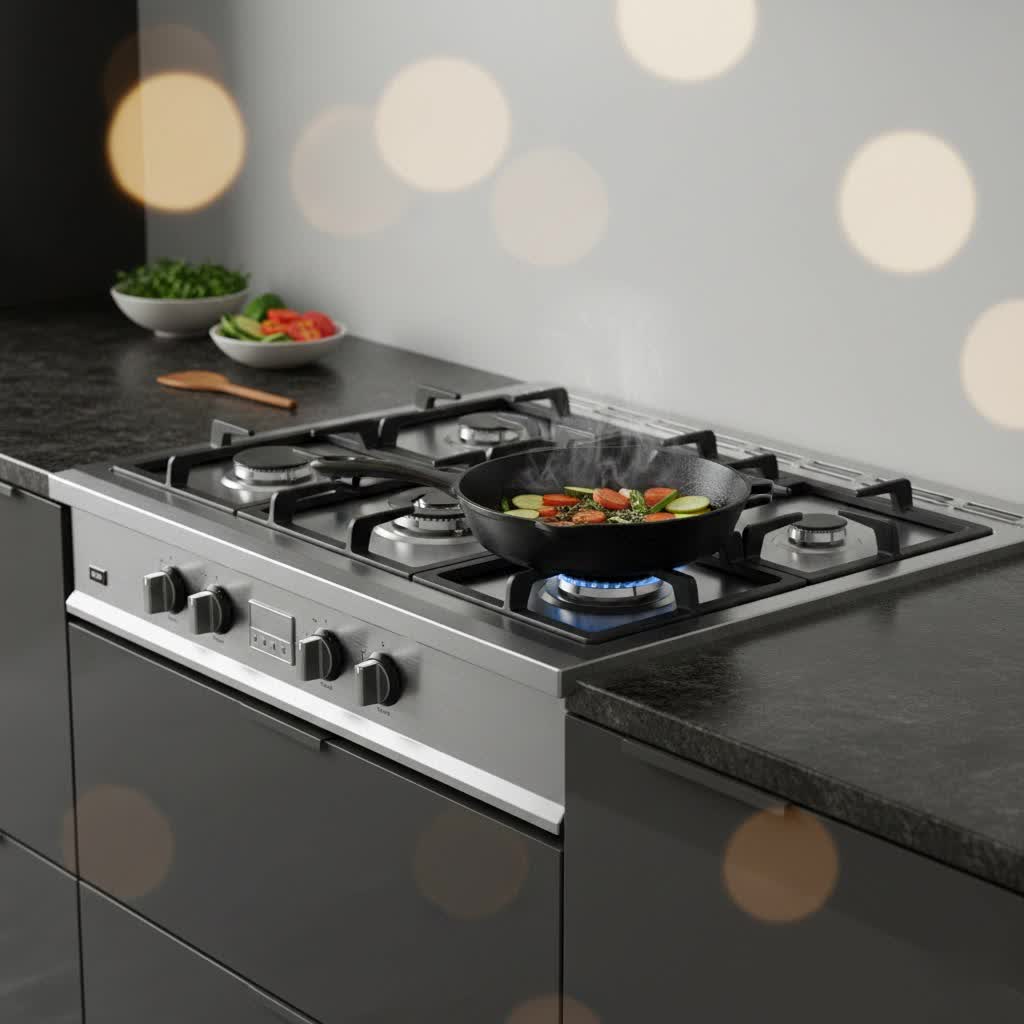
Before diving into troubleshooting, it’s helpful to recognize the sounds your gas stove should make. When you turn on a burner, you typically hear a rapid series of clicks as the igniter sparks, followed by a soft, consistent hiss as gas flows and ignites, culminating in a gentle whoosh as the flame establishes itself. Once lit, a healthy gas flame should be predominantly blue, stable, and produce only a soft, consistent hum, indicating efficient combustion. Any deviation from these familiar sounds warrants investigation.
Why Does My Gas Stove Hiss? Unraveling the Whistle
A louder-than-normal or prolonged hissing sound from your gas stove can be disconcerting. While a subtle hiss is natural during ignition and operation, an aggressive or continuous hiss often signals an underlying issue with the gas-to-air mixture or burner integrity.
Common Causes of Hissing
- Improper Air-to-Fuel Mixture: This is a frequent culprit. Your gas stove requires a precise balance of gas and air for clean, efficient combustion. If there’s too much gas or too much air, it can create a louder hissing sound. Often, this imbalance is accompanied by visual cues, such as yellow or yellow-tipped flames instead of the ideal clear blue.
- Clogged Burner Ports: Over time, food debris, grease, or cleaning residues can accumulate in the small holes (ports) on your burner head. These blockages disrupt the smooth flow of gas, forcing it through restricted openings, which can produce a noticeable hiss.
- High Gas Pressure: Less common for DIY fixes, but sometimes an issue with your home’s gas pressure regulator can lead to an excessive flow of gas to the burners, resulting in a loud, aggressive hiss.
- Gas Leaks: This is the most serious potential cause. A hissing sound, especially when combined with a distinct smell of natural gas (often described as rotten eggs), is a critical safety hazard. If you suspect a gas leak, immediate action is required.
|
Our Picks for the Best Gas stove in 2026
As an Amazon Associate I earn from qualifying purchases.
|
||
| Num | Product | Action |
|---|---|---|
| 1 | Gas One Propane Double Burner Two Burner Camp Stove Outdoor High Pressure Propane 2 Burner Adjustable PSI Regulator and 4ft Hose With Removable Legs |

|
| 2 | GasOne High Pressure Single Propane Burner - Outdoor Cooking with Heat Shield and Guard – Propane Burner Head for Camping, Tailgating, Seafood Boil, Home Brewing - Patented |
|
| 3 | Gas One Portable Butane Camping Stove with Case: Automatic Ignition, Precise Heat Control - Camping & Tailgating and Outdoor Cooking |
|
| 4 | GasOne 200K BTU Propane Burner – Heavy-Duty Propane Stove – Outdoor Burner with Adjustable 0-20Psi Regulator and Steel Braided Hose – Ideal for Home Brewing, Turkey Fry |
|
| 5 | Vivicreate 2 Burner Propane Stove, [20000 BTU] Portable Camping Gas Cooktop with Auto Ignition, Stainless Steel Outdoor Cooker with Regulator & Hose for RV, Backyard, Camping and Emergency Use |
|
| 6 | Horynar Propane Stove 2 Burner Gas Stove Auto Ignition 26000 BTU Tempered Glass Propane Burner LPG with CSA Hose for Outdoor Cooking, Emergency |
|
| 7 | Gas One GS-3400P Propane or Butane Stove Dual Fuel Stove Portable Camping Stove - Patented - with Carrying Case Great for Emergency Preparedness Kit |
|
| 8 | AMZCHEF 17 Inch 3-Burner RV Gas Range with 1.24 Cu.Ft Oven, High Output Propane Stove for Mobile Home, Camper, Apartment, Stainless Steel |
|
| 9 | Vivicreate High Pressure Propane Gas Outdoor Camping BBQ Grill Stove Burner Estufas de Gas para Cocinar Afuera Es gas propano Regulator 20 PSIG |
|
| 10 | GE 30-Inch Freestanding Gas Range with 4 Sealed Burners, Standard Clean Oven, Black |
|
DIY Fixes for Hissing
Addressing a hissing gas stove often involves simple adjustments or cleaning. Always prioritize safety by shutting off the gas supply to your stove and disconnecting its electrical power before attempting any repairs.
- Adjusting the Air Shutter: For issues related to an improper air-to-fuel ratio, adjusting the air shutter is key. This component, located under the burner tube, controls the amount of air mixing with the gas.
- How To: After ensuring the stove is cool and the gas and electricity are off, carefully remove the burner grates, burner caps, and sometimes the cooktop itself (refer to your appliance manual for specific instructions). Locate the burner tube and find the small air shutter slot, typically with a screw next to it. Loosen the screw and slowly adjust the metal shutter to make the opening larger or smaller. The goal is to achieve a stable, blue flame with minimal hissing. If your flames were yellow, you’ll likely need to reduce the airflow by making the slot smaller. This can be a trial-and-error process.
- Cleaning Burner Ports: Blocked ports are a common and relatively easy fix.
- How To: Remove the burner grates and caps. Use a stiff brush, a small wire, or even a straightened paper clip to carefully clear out any debris from the burner port holes. Avoid using wooden toothpicks, which can break off and worsen the blockage. You can also wash the burner heads with warm, soapy water, ensuring they are completely dry before reassembling.
- Checking Gas Supply Valve: Ensure that the main gas supply valve to your stove is fully open and that there are no visible kinks or obstructions in the flexible gas line connecting your stove.
When to Call a Pro for Hissing
While many hissing issues are DIY-friendly, some require professional expertise. If the hissing persists after cleaning and air shutter adjustments, or if you suspect a problem with the gas regulator, it’s best to contact a qualified appliance technician. Most importantly, if you ever smell gas in conjunction with a hissing sound, turn off the gas supply immediately, evacuate your home, and call your gas company or emergency services. Do not operate any electrical switches or create any sparks.
What’s That Popping Sound? Diagnosing Gas Stove Pops
A popping sound from your gas stove, especially during ignition, can be startling. This noise often indicates that the gas isn’t igniting immediately, leading to a buildup that then combusts quickly, causing a sharp pop.
Common Causes of Popping
- Dirty or Clogged Burner Ports: Similar to hissing, blockages in the burner ports can disrupt the smooth gas flow, causing uneven ignition and popping as gas struggles to find its way out or as debris gets burned off.
- Delayed Ignition: This is a primary reason for popping. Gas is released, but the igniter might not be sparking quickly or strongly enough. A small amount of unburned gas accumulates in the burner chamber, and when it finally ignites, it does so suddenly.
- Misaligned or Damaged Burner Caps: The burner cap sits on top of the burner head and helps distribute the flame evenly. If it’s not seated correctly, is warped, or damaged, it can lead to uneven gas distribution and delayed, popping ignition.
- Excess Moisture or Cleaning Residue: Spills, boil-overs, or even excessive moisture left after cleaning can interfere with the igniter’s ability to spark correctly or cause popping sounds as the water rapidly evaporates from hot surfaces.
- Faulty Ignition System Components: Issues with the igniter itself, such as being dirty, cracked, or simply worn out, or problems with the ignition wires and connections, can prevent a timely spark and lead to popping.
DIY Fixes for Popping
Many popping issues can be resolved with simple maintenance. Always ensure your stove is cool and the gas and electricity are turned off before beginning.
- Thoroughly Cleaning Burner Elements and Ports: Remove burner grates and caps. Use a stiff brush or a pin to carefully clean each port hole around the edge of the burner head. Scrub the entire burner head with warm, soapy water to remove grease and food residue. Rinse thoroughly and ensure all components are completely dry before reassembly.
- Reseating Burner Caps Correctly: Ensure each burner cap is flat, centered, and securely aligned with its burner base. A wobbling or improperly placed cap can significantly affect flame distribution. If a cap appears warped or damaged, it’s best to replace it.
- Drying Out Moisture: If a recent spill or cleaning is the suspected cause, turn off the gas and electricity, and allow the burner area to air dry completely. You can gently speed up this process by using a hairdryer on a low, cool setting.
- Inspecting and Cleaning the Igniter: The igniter is usually a small, ceramic rod located near the burner ports. Check for any food debris, carbon buildup, or grease around its tip. Gently clean it with a soft brush, a dry cloth, or a cotton swab dipped in rubbing alcohol. Avoid using water directly on the igniter. Ensure it’s positioned close enough to the gas ports for reliable sparking.
- Checking Ignition Wires and Connections: If you are comfortable and it’s safely accessible (often requires lifting the cooktop), inspect the wires leading to the igniters for any looseness, fraying, or burn marks. Gently push any loose connectors firmly into place. If wires appear damaged, professional replacement is necessary.
- Adjust Flame Settings: Sometimes, unusually high flame settings can contribute to popping noises due to increased gas flow. Experiment with slightly lower settings to see if the noise diminishes while still providing adequate heat.
When to Call a Pro for Popping
If, after thorough cleaning, drying, and reseating, your gas stove continues to make popping noises, or if you suspect a faulty igniter that needs replacement, it’s time to contact a qualified appliance repair technician. Issues with internal ignition system components are often best left to professionals to ensure correct and safe repair.
Essential Safety Precautions When Troubleshooting Your Gas Stove
Working with gas appliances always demands caution. Adhering to strict safety protocols is paramount to prevent accidents and ensure your well-being.
- Always Turn Off Gas Supply: Before performing any maintenance, cleaning, or adjustments on your gas stove, locate the main gas shut-off valve (usually behind or beneath the stove) and turn it to the “off” position.
- Disconnect Electrical Power: Similarly, unplug your stove from the electrical outlet or trip the circuit breaker that controls the kitchen range. This prevents accidental ignition and protects you from electrical shock.
- Ensure Ventilation: If you’re working on the stove for an extended period, ensure the kitchen is well-ventilated by opening windows or using an exhaust fan.
- Gas Leak Protocol: This cannot be stressed enough: if you smell gas (a distinct rotten egg odor) or hear a loud, continuous hiss that suggests a leak, do NOT operate any electrical switches, light matches, or use your cell phone. Turn off the gas supply if it’s safe to do so, immediately evacuate everyone from the building, and call your gas utility company or emergency services from a safe distance.
- When in Doubt, Call a Certified Technician: Gas appliances are complex. If you are ever unsure about a repair step, uncomfortable working with gas lines, or cannot identify the source of a problem, do not hesitate to call a certified appliance technician. Their expertise ensures the repair is done correctly and safely.
Conclusion
A gas stove is an indispensable part of many kitchens, and while it’s normal for it to produce certain sounds, a persistent hiss or sudden pop often signals a need for attention. By understanding the common causes behind these noises, from simple clogs and improper air-to-fuel mixtures to misaligned components and moisture, you can confidently address many issues yourself. Remember, prioritizing safety by shutting off gas and electricity is the golden rule for any troubleshooting. Regular cleaning and mindful operation go a long way in preventing these disruptions, ensuring your gas stove continues to be a reliable and safe cornerstone of your home cooking. Don’t let strange noises disrupt your culinary journey – empower yourself with the knowledge to maintain a quiet, efficient, and safe kitchen.
Frequently Asked Questions
Is a slight hiss from a gas stove normal?
Yes, a slight, consistent hiss is normal as gas flows and ignites, and during regular operation. However, a loud, aggressive, or continuous hiss that differs from normal operation usually indicates a problem with the gas-to-air mixture or a blockage.
Can a dirty gas stove be dangerous?
A dirty gas stove can indeed be dangerous. Accumulated food debris and grease can block burner ports, leading to uneven flames, inefficient combustion, potential gas buildup, and even increased carbon monoxide production. In severe cases, blockages can also cause delayed ignition and potentially small flare-ups.
How often should I clean my gas stove burners?
It’s recommended to clean your gas stove burners regularly, ideally after every major spill or boil-over, and to perform a more thorough cleaning of burner caps and heads at least once a month, depending on usage. Keeping them clean helps prevent blockages and ensures optimal performance.
What does a yellow flame indicate on a gas stove?
A yellow flame on a gas stove usually indicates an improper air-to-fuel mixture, specifically too little air or too much gas. A healthy gas flame should be predominantly blue, with potentially faint yellow tips. Yellow flames are less efficient, produce soot, and can be a sign of incomplete combustion, potentially increasing carbon monoxide.
Can I adjust the gas pressure to my stove myself?
Adjusting the actual gas pressure to your stove, typically controlled by a gas pressure regulator, is a complex and potentially dangerous task that should only be performed by a qualified and certified appliance technician. DIY attempts can lead to serious safety hazards.
What tools do I need for basic gas stove troubleshooting?
For basic gas stove troubleshooting, you’ll typically need warm, soapy water, a non-abrasive sponge, a soft-bristled brush or old toothbrush, a straightened paper clip or small wire for clearing burner ports, a dry cloth, and possibly a screwdriver for air shutter adjustments. A hairdryer on a low setting can also be useful for drying moisture.
