For decades, gas stoves have been a cornerstone of kitchens worldwide, cherished for their instant heat and precise flame control. Many home cooks appreciate the visual feedback of a live flame and the ability to rapidly adjust temperatures. However, beneath this beloved cooking method lies a less discussed reality: gas stoves are notably inefficient, wasting a significant portion of the energy they consume. This article will delve into how gas stoves operate, quantify their heat waste, compare them to alternatives, and provide actionable strategies to enhance their efficiency in your kitchen.
What is a Gas Stove and How Does it Work?
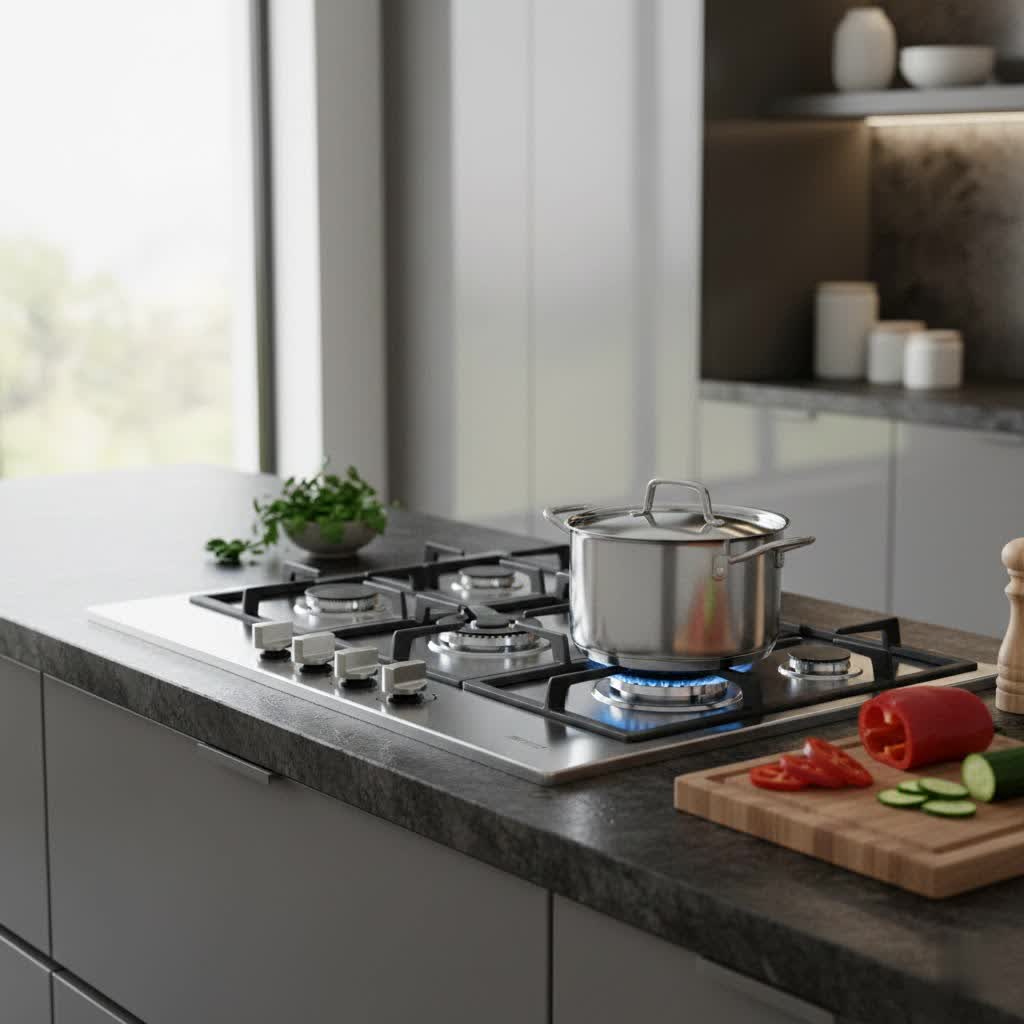
A gas stove operates by igniting natural gas or propane, creating an open flame that directly heats cookware. The gas flows through a burner, mixes with air, and is ignited by either an electronic igniter or a pilot light. This combustion process generates heat, which is then transferred to your pots and pans for cooking. The goal is to transfer as much of this generated heat as possible directly to the food, a concept known as thermal efficiency. Unfortunately, the very nature of an open flame makes this a challenging feat.
The Reality of Gas Stove Efficiency: A Closer Look at Heat Waste
When it comes to energy conversion, gas stoves are among the least efficient cooking appliances. Research indicates that the thermal efficiency of typical gas cooktops ranges from approximately 40% to 55%. This means that for every unit of energy consumed, between 45% and 60% of that energy is lost and does not contribute to cooking your food.
This substantial heat waste primarily occurs in several ways. A significant portion of the heat generated by the open flame dissipates into the surrounding kitchen air instead of being absorbed by the cookware. You might notice your kitchen heating up considerably when using a gas stove, especially in warmer months. Furthermore, if the flame extends beyond the base of your pot or pan, that energy is directly wasted, merely heating the sides of the pan or the air around it. In contrast, standard electric coil or smooth-top stoves achieve around 74% efficiency, while induction cooktops lead the pack with an impressive 85-90% efficiency.
“When cooking with gas, about 60 percent of the energy is wasted, compared to just 16 percent with induction and 26 percent with smooth electric cooktops.” – LeafScore, Energy Efficiency Experts
Understanding BTU Ratings and Their Role in Heat Output
British Thermal Units (BTUs) are a measure of heat energy, indicating how much heat a gas burner can produce. On a gas stove, burners come with varying BTU ratings, typically ranging from 500 BTUs for simmering to 18,000 BTUs or more for high-heat searing. A higher BTU rating signifies a more powerful burner capable of generating intense heat.
While high BTU burners are excellent for rapid heating and specialized cooking techniques, they can also contribute to heat waste if not used judiciously. Using a high-BTU burner for a small pot or a low-heat task means that a larger, more powerful flame will inevitably extend beyond the cookware, releasing excess heat into the kitchen rather than into your meal. Understanding the appropriate BTU for your cooking needs and matching it with the right burner can help mitigate this inefficiency.
Common Ways Gas Stoves Waste Energy
Several everyday cooking habits can inadvertently lead to significant energy waste when using a gas stove:
- Flames Extending Beyond Cookware: This is perhaps the most obvious form of waste. If you can see flames licking up the sides of your pot, that heat is not being efficiently transferred to the food. It’s simply warming your kitchen and costing you money.
- Dirty Burners and Clogged Ports: Over time, food spills, grease, and debris can accumulate in the burner ports. This obstructs the gas flow, leading to an uneven or weaker flame, and ultimately, incomplete combustion and reduced efficiency.
- Incorrect Air-to-Gas Mixture: A healthy gas flame should be predominantly blue. If your flame appears yellow or orange, it often indicates an improper air-to-gas ratio, leading to less efficient combustion and potentially producing more soot and pollutants.
- Cooking Without Lids: Heat naturally escapes from uncovered pots and pans, especially when boiling liquids. This prolongs cooking times and increases energy consumption.
- Excessive Preheating (for ovens): While this article focuses on cooktops, gas ovens also contribute to household energy use. Preheating an oven for longer than necessary or opening the door frequently allows heat to escape, requiring more energy to maintain the desired temperature.
Expert Tips to Maximize Gas Stove Efficiency
As an Admin of ReviewHix.com with over a decade of experience in gas stove technology, I can confirm that while gas stoves have inherent inefficiencies, many practical steps can significantly improve their performance and reduce energy waste.
- Match Cookware Size to Burner: Always select a pot or pan that is appropriate for the burner size. The flame should ideally be contained within the base of the cookware, ensuring maximum heat transfer and minimal escape into the air.
- Always Use Lids When Appropriate: For boiling, simmering, or steaming, covering your pots and pans with a lid traps heat and steam, significantly speeding up the cooking process and reducing energy usage.
- Keep Burners Clean and Maintain Proper Flame Color: Regularly clean your burner caps and ports. A toothpick or a small brush can clear out debris from clogged holes, ensuring a consistent and efficient blue flame. If you notice persistent yellow or orange flames, consult your stove’s manual for air shutter adjustments or consider professional servicing.
- Choose Appropriate Cookware Materials: Materials like copper and aluminum are excellent heat conductors, transferring heat efficiently to your food. Using flat-bottomed pans also ensures better contact with the flame, optimizing heat absorption.
- Minimize Preheating and Monitor Cooking: For ovens, avoid preheating for extended periods beyond what is necessary. On the stovetop, turn off the burner immediately once your food is cooked or water has boiled. The residual heat will often be sufficient to finish the task or keep food warm briefly.
- Use High-Quality, Energy-Efficient Stoves: Newer gas stove models often feature improved burner designs that aim for better combustion and heat transfer. While still less efficient than induction, these advancements can offer marginal improvements over older models.
Gas Stoves vs. Alternatives: A Comparative Efficiency Overview
Understanding how gas stoves stack up against their electric counterparts provides valuable context for their energy performance.
| Stove Type | Average Thermal Efficiency | Primary Method of Heat Transfer | Main Source of Heat Waste |
|---|---|---|---|
| Gas | 40-55% | Open flame convection | Ambient air, flame bypass |
| Electric | ~74% | Direct contact, radiant heat | Radiant loss to air |
| Induction | 85-90% | Electromagnetic field | Minimal |
As the table illustrates, induction technology stands out as the most energy-efficient option by a considerable margin, primarily because it heats the cookware directly through an electromagnetic field, minimizing wasted energy.
Beyond Efficiency: Environmental and Health Considerations
While the focus here is on heat waste, it’s worth noting that the conversation around gas stoves extends to broader environmental and health impacts. Gas stoves can leak unburned methane, a potent greenhouse gas, even when turned off. Furthermore, cooking with gas produces indoor air pollutants, such as nitrogen dioxide, which can negatively affect indoor air quality and contribute to respiratory issues. These factors add another layer to the discussion of gas stove efficiency and their overall footprint.
Conclusion
Gas stoves, while offering beloved cooking characteristics, inherently waste a substantial amount of heat due to the nature of open-flame combustion. With thermal efficiencies often ranging between 40% and 55%, a significant portion of the energy consumed escapes into the kitchen as ambient heat. However, by adopting mindful cooking practices—such as matching cookware to burner size, utilizing lids, and maintaining clean burners with a proper blue flame—you can dramatically improve your gas stove’s efficiency and minimize wasted energy. Understanding these dynamics empowers you to make smarter choices in your kitchen, leading to more efficient cooking and potentially lower utility bills. How will you optimize your gas stove for a more energy-conscious cooking experience?
Frequently Asked Questions
Why is my gas stove flame yellow or orange instead of blue?
|
Our Picks for the Best Gas stove in 2026
As an Amazon Associate I earn from qualifying purchases.
|
||
| Num | Product | Action |
|---|---|---|
| 1 | Horynar Propane Stove 2 Burner Gas Stove Auto Ignition 26000 BTU Tempered Glass Propane Burner LPG with CSA Hose for Outdoor Cooking, Emergency |

|
| 2 | Vivicreate 2 Burner Propane Stove, [20000 BTU] Portable Camping Gas Cooktop with Auto Ignition, Stainless Steel Outdoor Cooker with Regulator & Hose for RV, Backyard, Camping and Emergency Use |
|
| 3 | Gas One Portable Butane Camping Stove with Case: Automatic Ignition, Precise Heat Control - Camping & Tailgating and Outdoor Cooking |
|
| 4 | Gas One GS-3400P Propane or Butane Stove Dual Fuel Stove Portable Camping Stove - Patented - with Carrying Case Great for Emergency Preparedness Kit |
|
| 5 | AMZCHEF 17 Inch 3-Burner RV Gas Range with 1.24 Cu.Ft Oven, High Output Propane Stove for Mobile Home, Camper, Apartment, Stainless Steel |
|
| 6 | Vivicreate High Pressure Propane Gas Outdoor Camping BBQ Grill Stove Burner Estufas de Gas para Cocinar Afuera Es gas propano Regulator 20 PSIG |
|
| 7 | GasOne High Pressure Single Propane Burner - Outdoor Cooking with Heat Shield and Guard – Propane Burner Head for Camping, Tailgating, Seafood Boil, Home Brewing - Patented |
|
| 8 | GasOne 200K BTU Propane Burner – Heavy-Duty Propane Stove – Outdoor Burner with Adjustable 0-20Psi Regulator and Steel Braided Hose – Ideal for Home Brewing, Turkey Fry |
|
| 9 | Gas One Propane Double Burner Two Burner Camp Stove Outdoor High Pressure Propane 2 Burner Adjustable PSI Regulator and 4ft Hose With Removable Legs |
|
| 10 | GE 30-Inch Freestanding Gas Range with 4 Sealed Burners, Standard Clean Oven, Black |
|
A yellow or orange flame on your gas stove typically indicates incomplete combustion due to an incorrect air-to-gas ratio or clogged burner ports. A proper blue flame signifies efficient burning. Cleaning the burner and checking for obstructions, or adjusting the air shutter as per your stove’s manual, can usually resolve this issue.
Does using a lid on a pot really save energy on a gas stove?
Yes, absolutely. Using a lid on your pot helps to trap heat and steam inside, which allows food to cook faster and water to boil more quickly. This significantly reduces the amount of time the burner needs to be on, thereby saving energy and reducing heat waste into your kitchen.
Are newer gas stoves more energy-efficient than older models?
Generally, newer gas stove models incorporate improved burner designs and materials aimed at optimizing combustion and heat transfer. While they may offer marginal improvements in efficiency compared to very old models, the fundamental open-flame technology still means they waste more heat than electric or induction alternatives.
How much energy do gas stoves waste compared to electric or induction?
Gas stoves typically waste between 45% and 60% of the energy they consume. In contrast, standard electric stoves waste about 26% of energy, and highly efficient induction cooktops waste only about 10-15% of energy, making them significantly more efficient at transferring heat to your food.
Can I improve the efficiency of my gas stove without buying a new one?
Yes, several simple practices can improve your current gas stove’s efficiency. These include regularly cleaning burners and ports, ensuring flames do not extend beyond the cookware, always using lids, and matching pot sizes to the appropriate burner. These habits reduce heat waste and optimize energy use.
