Replacing an outdated or broken gas stove can be an exciting upgrade for your kitchen, but the question of what to do with the old appliance often brings a halt to the excitement. Disposing of a gas stove isn’t as simple as discarding regular trash. These bulky appliances are heavy, contain various materials, and, most importantly, have a significant environmental footprint if not handled correctly. Understanding the responsible ways to remove and recycle your old gas stove is crucial for both your home’s safety and the planet’s health. This guide will walk you through the process, offering practical solutions for a seamless transition to your new kitchen setup.
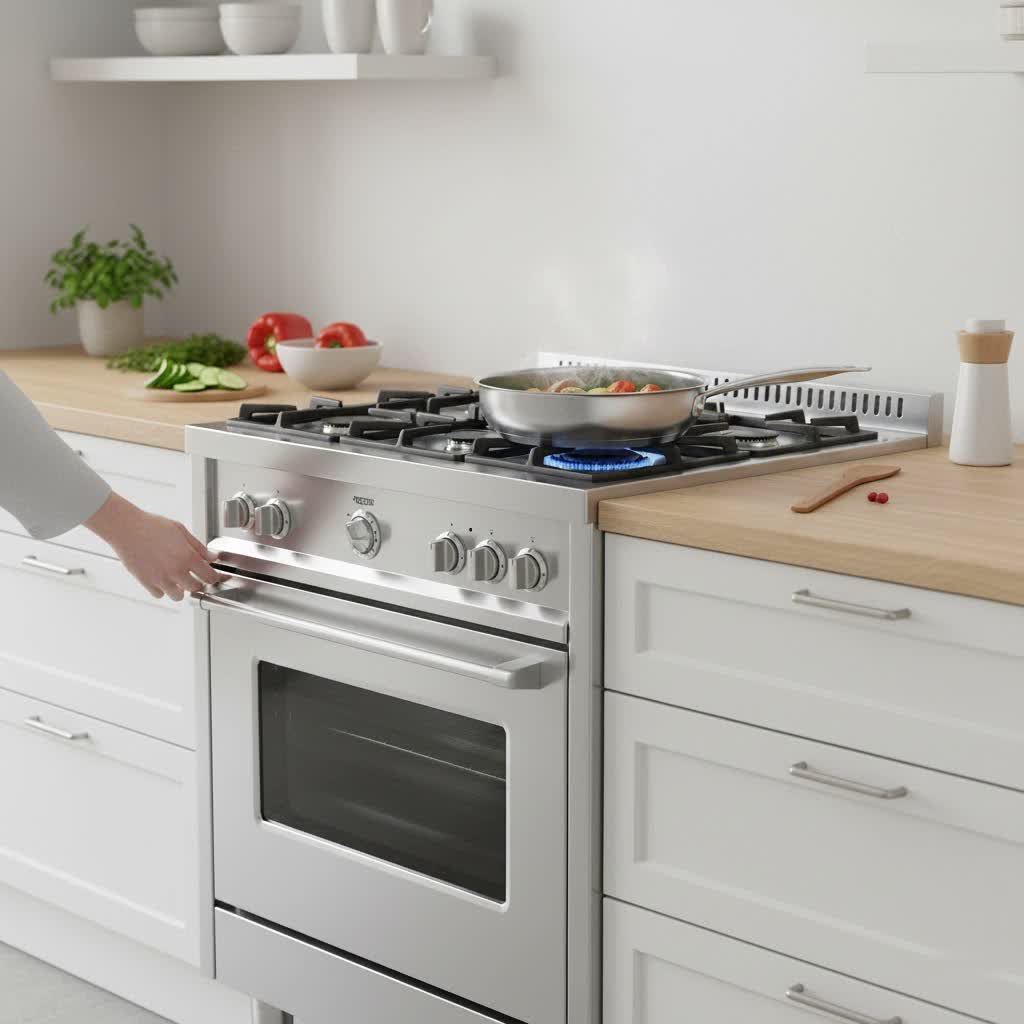
Understanding the “Why”: The Environmental Impact of Gas Stove Disposal
The decision to responsibly dispose of your gas stove goes beyond mere decluttering; it’s a critical step in mitigating its environmental impact. Gas stoves, throughout their lifecycle, contribute to greenhouse gas emissions and indoor air pollution. Research from Stanford, for instance, highlights that natural gas stoves emit substantial amounts of methane, a potent greenhouse gas, even when they are turned off. These “off-gassing” emissions are a significant concern, alongside the nitrogen oxides (NOx) released during combustion, which are toxic air pollutants.
Methane’s impact on climate change is considerable, trapping heat far more effectively than carbon dioxide over a shorter period. The emissions from gas stoves are comparable to the carbon dioxide output of hundreds of thousands of cars over two decades. Furthermore, the nitrogen oxides produced can severely affect indoor air quality, contributing to respiratory issues like asthma, particularly in children. Improper disposal, such as sending a gas stove to a landfill, can release these harmful gases into the atmosphere and allow valuable metals to be lost forever, alongside potentially hazardous components found in older models. Responsible recycling ensures these materials are recovered and prevents further environmental degradation.
Preparing Your Gas Stove for Responsible Disposal
Safety is paramount when handling an old gas stove, especially before removal. Proper preparation minimizes risks and ensures a smoother disposal process.
First, disconnect the gas supply. This is the most critical step for a gas stove. Locate the gas shut-off valve, typically behind or under the stove, and turn it off. If you are uncomfortable doing this yourself, or if the connection appears old or corroded, it is strongly recommended to contact a licensed plumber or a qualified technician to disconnect the gas line. They have the expertise to do so safely and prevent any gas leaks. For electric stoves, simply unplug the appliance from the electrical outlet.
Once the gas and electricity are disconnected, the stove should be thoroughly cleaned to remove any food residue or grease. This makes the appliance easier and safer to handle. Next, remove any detachable parts, such as oven racks, broiler trays, and burner grates. Secure any loose components like control knobs with tape or wrap them individually to prevent damage or loss during transport. While modern gas stoves are less likely to contain significant amounts of hazardous materials beyond trace electronics, older units might contain components like mercury switches. If you suspect your stove is an older model with such materials, inquire with your chosen recycling facility about specific handling instructions.
Beyond the Curb: Diverse Pathways for Your Old Gas Stove
Sending your old gas stove to a landfill is often the least environmentally friendly option and, in many areas, not permitted for large appliances. Fortunately, several responsible disposal pathways exist.
Donation and Reuse
If your gas stove is still in good working condition or requires only minor, inexpensive repairs, consider giving it a second life. Donating or selling a functional appliance is the most sustainable option, extending its utility and reducing demand for new manufacturing.
- Charitable Organizations: Many charities and non-profit organizations, such as Habitat for Humanity ReStores, accept working appliances. These organizations often resell items at affordable prices to support community programs. Be sure to contact them beforehand to confirm their acceptance policies and whether they offer pickup services.
- Online Marketplaces: Platforms like Facebook Marketplace, Craigslist, or local community groups are excellent places to list a functional stove for sale or even give it away for free. Many individuals seek budget-friendly secondhand appliances.
|
Our Picks for the Best Gas stove in 2026
As an Amazon Associate I earn from qualifying purchases.
|
||
| Num | Product | Action |
|---|---|---|
| 1 | GasOne 200K BTU Propane Burner – Heavy-Duty Propane Stove – Outdoor Burner with Adjustable 0-20Psi Regulator and Steel Braided Hose – Ideal for Home Brewing, Turkey Fry |

|
| 2 | Horynar Propane Stove 2 Burner Gas Stove Auto Ignition 26000 BTU Tempered Glass Propane Burner LPG with CSA Hose for Outdoor Cooking, Emergency |
|
| 3 | AMZCHEF 17 Inch 3-Burner RV Gas Range with 1.24 Cu.Ft Oven, High Output Propane Stove for Mobile Home, Camper, Apartment, Stainless Steel |
|
| 4 | Gas One GS-3400P Propane or Butane Stove Dual Fuel Stove Portable Camping Stove - Patented - with Carrying Case Great for Emergency Preparedness Kit |
|
| 5 | Gas One Propane Double Burner Two Burner Camp Stove Outdoor High Pressure Propane 2 Burner Adjustable PSI Regulator and 4ft Hose With Removable Legs |
|
| 6 | GE 30-Inch Freestanding Gas Range with 4 Sealed Burners, Standard Clean Oven, Black |
|
| 7 | Gas One Portable Butane Camping Stove with Case: Automatic Ignition, Precise Heat Control - Camping & Tailgating and Outdoor Cooking |
|
| 8 | Vivicreate 2 Burner Propane Stove, [20000 BTU] Portable Camping Gas Cooktop with Auto Ignition, Stainless Steel Outdoor Cooker with Regulator & Hose for RV, Backyard, Camping and Emergency Use |
|
| 9 | Vivicreate High Pressure Propane Gas Outdoor Camping BBQ Grill Stove Burner Estufas de Gas para Cocinar Afuera Es gas propano Regulator 20 PSIG |
|
| 10 | GasOne High Pressure Single Propane Burner - Outdoor Cooking with Heat Shield and Guard – Propane Burner Head for Camping, Tailgating, Seafood Boil, Home Brewing - Patented |
|
Retailer Take-Back Programs
When purchasing a new gas stove, inquire about retailer haul-away services. Many major appliance retailers offer to remove your old stove when they deliver the new one. This service is often provided for a small fee or sometimes free as part of promotional offers. These programs typically ensure that the old appliance is sent to a proper recycling facility.
Municipal Bulky Item Pickup
Many local municipal waste management services offer bulky item collection for large appliances. This usually requires scheduling a pickup in advance through your city’s waste department and may involve a small fee. Check your local regulations for specific guidelines, as some areas have particular collection days or preparation requirements.
Certified Appliance Recycling Centers and Scrap Yards
For stoves that are no longer functional or suitable for donation, certified appliance recycling centers and scrap metal yards are excellent destinations. These facilities specialize in dismantling large appliances, separating the various materials for recycling. Stoves are primarily made of steel, which is highly recyclable, and these centers can reclaim valuable metals, glass, and plastics. Some scrap yards may even offer a small payment for the metal content, depending on current market prices.
Junk Removal Services
If you prefer a hassle-free solution for a heavy, non-functional stove, a professional junk removal service can handle the entire process. Companies like 1-800-GOT-JUNK? specialize in safely removing large items from your home and ensuring their responsible disposal or recycling. While there is a cost associated with these services, they provide convenience and peace of mind, saving you the effort and risk of moving the appliance yourself.
Utility Company Programs
Some local utility companies offer appliance recycling programs or rebates for replacing old, inefficient stoves with newer, energy-efficient models. Check with your energy provider to see if such initiatives are available in your area, as these can offer financial incentives while promoting responsible disposal.
What Parts of a Gas Stove are Recyclable?
Gas stoves are composite appliances, meaning they are made up of several different materials, most of which are recyclable when processed correctly. This multi-material composition makes specialized recycling essential.
The primary component of a gas stove is steel, which makes up a significant portion of its weight, including the exterior casing, burners, and oven racks. Steel is highly valuable in the recycling industry and can be reprocessed into new products, conserving natural resources and reducing the energy needed for new steel production.
Beyond steel, gas stoves contain other valuable metals:
- Copper wiring: Found in electrical components and internal wiring.
- Brass fittings: Common in the gas lines and connectors of gas stoves.
- Aluminum: May be present in certain internal structures or oven trays.
- Stainless steel: Used for specific components or decorative elements.
In addition to metals, modern gas stoves often feature glass surfaces or oven doors, which can be recycled. Various plastic components, such as control knobs and handles, are also recoverable. Specialized recycling facilities have the equipment to efficiently separate these materials, ensuring each component is directed to the appropriate reprocessing stream. This careful disassembly prevents valuable resources from ending up in landfills and minimizes the environmental footprint of appliance disposal.
Finding a Local Recycling Solution
Locating a convenient and responsible recycling option for your old gas stove requires a bit of research. Start by checking your local municipal waste management website. Many cities and counties provide detailed information on bulky item collection, designated drop-off points, and specific guidelines for appliance recycling.
Online resources can also be incredibly helpful. Websites like Earth911.com offer a recycling center locator where you can search by material (e.g., “appliances” or “scrap metal”) and your zip code to find nearby facilities. These directories often list various options, from private scrap yards to specialized appliance recyclers.
For those with limited transport options or particularly challenging removal situations, services like Waste Management’s “At Your Door Special Collection” or Best Buy’s haul-away and in-store recycling programs can be viable alternatives. These services offer convenience, though they may involve fees.
Conclusion
Disposing of an old gas stove responsibly is a critical step in safeguarding our environment and promoting sustainability. From the methane emissions released even when the stove is off, to the valuable metals and other materials that can be reclaimed, understanding your options and making an informed choice has a real impact. Whether you opt for donation, utilize a retailer’s take-back program, schedule municipal pickup, or take it to a certified recycling center, each responsible action contributes to reducing landfill waste, conserving resources, and minimizing harmful pollutants.
By choosing one of these pathways, you ensure your old gas stove doesn’t become an environmental burden but instead enters a cycle of reuse or recycling. Making a responsible decision today helps pave the way for a healthier planet for tomorrow. How will you choose to make a difference with your old gas stove?
Frequently Asked Questions
Can I put my gas stove on the curb for regular trash pickup?
No, in most areas, large appliances like gas stoves are not accepted with regular household trash. Placing them on the curb without prior arrangement can lead to fines. You typically need to schedule a special bulky item pickup with your municipal waste service or use an alternative disposal method.
Is it safe to move a gas stove myself?
Moving a gas stove can be challenging and potentially unsafe due to its weight and the need to properly disconnect the gas line. If you lack experience or appropriate equipment like an appliance dolly, it’s safer to seek assistance from a professional junk removal service or a qualified technician to avoid injury or damage.
Do gas stoves contain hazardous materials that need special disposal?
Older gas stoves might contain trace amounts of hazardous materials, such as mercury in certain switches. While most modern stoves are less problematic, it’s always best to assume older models may require specialized handling. Certified appliance recycling centers are equipped to safely process these materials and prevent environmental contamination.
What is the primary material in a gas stove that gets recycled?
The primary material recycled from gas stoves is steel, which constitutes the majority of the appliance’s weight, including the outer casing and internal structures. Other valuable metals like copper, brass, and aluminum, as well as glass and some plastics, are also recovered during the recycling process.
