Stepping into a new home or rethinking your kitchen setup often brings a crucial question to the forefront: can your gas stove adapt to a different fuel source? The debate between propane and natural gas for cooking is more than just a preference; it’s a practical consideration involving safety, efficiency, and cost. If you’ve ever wondered if your existing gas stove can transition from one fuel to the other, you’re in the right place. We’ll explore the possibilities, the necessities, and the critical safety precautions to ensure your kitchen remains the heart of your home, fueled just right.
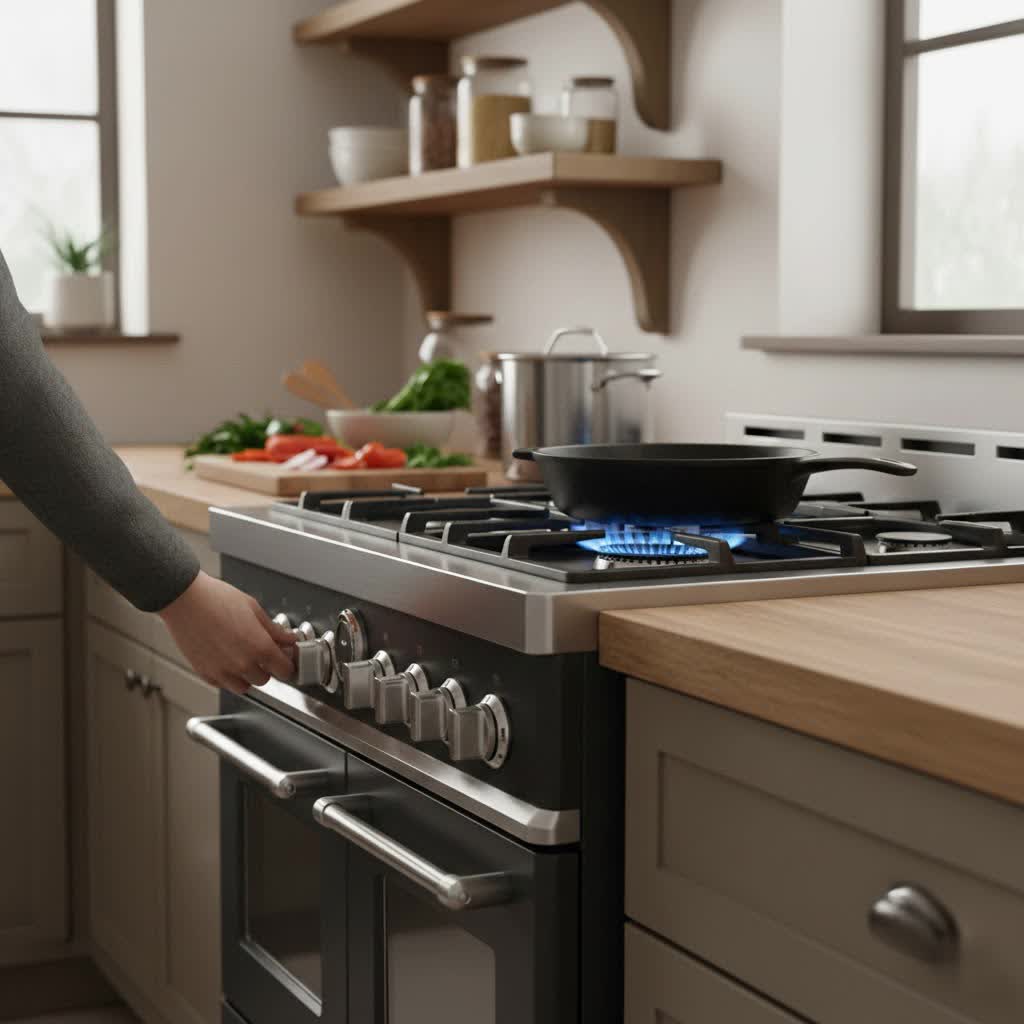
Understanding Gas Stoves and Their Fuel Sources
Gas stoves have long been a favorite among home cooks and professional chefs alike for their instant heat and precise temperature control. But the “gas” they burn can come in two primary forms: natural gas (NG) and liquid propane (LP). While both are hydrocarbons that burn to produce heat, they possess distinct chemical and physical properties that necessitate specific appliance configurations.
Natural gas is primarily methane, delivered through underground pipelines by utility companies. It operates at a relatively low pressure, typically around 3-4 inches of water column (W.C.), and is lighter than air, meaning it dissipates upwards if a leak occurs. Propane, on the other hand, is stored in pressurized tanks on-site, common in rural areas or for mobile applications like food trucks. It boasts a higher energy content and is delivered at a significantly higher pressure, usually 10-11 inches W.C. Propane is also heavier than air, which means any leaks can pool in low-lying areas, posing a greater fire hazard. These fundamental differences are why a stove calibrated for one fuel cannot simply use the other without modification.
Key Differences Between Natural Gas and Propane
|
Our Picks for the Best Gas stove in 2026
As an Amazon Associate I earn from qualifying purchases.
|
||
| Num | Product | Action |
|---|---|---|
| 1 | Gas One Portable Butane Camping Stove with Case: Automatic Ignition, Precise Heat Control - Camping & Tailgating and Outdoor Cooking |

|
| 2 | Vivicreate High Pressure Propane Gas Outdoor Camping BBQ Grill Stove Burner Estufas de Gas para Cocinar Afuera Es gas propano Regulator 20 PSIG |
|
| 3 | GE 30-Inch Freestanding Gas Range with 4 Sealed Burners, Standard Clean Oven, Black |
|
| 4 | GasOne 200K BTU Propane Burner – Heavy-Duty Propane Stove – Outdoor Burner with Adjustable 0-20Psi Regulator and Steel Braided Hose – Ideal for Home Brewing, Turkey Fry |
|
| 5 | AMZCHEF 17 Inch 3-Burner RV Gas Range with 1.24 Cu.Ft Oven, High Output Propane Stove for Mobile Home, Camper, Apartment, Stainless Steel |
|
| 6 | Gas One GS-3400P Propane or Butane Stove Dual Fuel Stove Portable Camping Stove - Patented - with Carrying Case Great for Emergency Preparedness Kit |
|
| 7 | GasOne High Pressure Single Propane Burner - Outdoor Cooking with Heat Shield and Guard – Propane Burner Head for Camping, Tailgating, Seafood Boil, Home Brewing - Patented |
|
| 8 | Gas One Propane Double Burner Two Burner Camp Stove Outdoor High Pressure Propane 2 Burner Adjustable PSI Regulator and 4ft Hose With Removable Legs |
|
| 9 | Vivicreate 2 Burner Propane Stove, [20000 BTU] Portable Camping Gas Cooktop with Auto Ignition, Stainless Steel Outdoor Cooker with Regulator & Hose for RV, Backyard, Camping and Emergency Use |
|
| 10 | Horynar Propane Stove 2 Burner Gas Stove Auto Ignition 26000 BTU Tempered Glass Propane Burner LPG with CSA Hose for Outdoor Cooking, Emergency |
|
| Characteristic | Natural Gas (NG) | Propane (LP) | Why It Matters for Your Stove |
|---|---|---|---|
| Primary Composition | Methane | Propane & Butane | Determines burning characteristics. |
| Energy Content (BTU/cu ft) | ~1,030 BTU | ~2,500 BTU | Propane delivers more than twice the heat, requiring smaller orifices. |
| Delivery Pressure (W.C.) | 3-4 inches | 10-11 inches | Stove components are designed for specific pressures. |
| Relative Density (to Air) | Lighter than air | Heavier than air | Affects leak dispersion and safety protocols. |
| Storage/Delivery | Piped via utility lines | Stored in on-site tanks | Impacts availability and independence from utility grid. |
Is Gas Stove Conversion Possible?
The good news is that most modern gas stoves can be converted between natural gas and propane. This flexibility is often built into the appliance’s design, particularly for new stoves that may even include an LP conversion kit. However, it’s crucial to understand that conversion is not a “one-size-fits-all” solution and requires precise adjustments and specific components.
The core reason for conversion is to adapt the stove’s fuel delivery system to match the new gas type’s pressure and energy density. Without proper conversion, connecting a natural gas stove to a propane supply would force an excessive amount of fuel through openings designed for lower pressure, leading to dangerously large, uncontrollable flames, soot buildup, and the production of hazardous carbon monoxide. Conversely, running a propane stove on natural gas would result in very small or no flame at all due to insufficient pressure and overly restrictive orifices.
The Conversion Kit: Your Essential Tool
A gas stove conversion kit is not a generic accessory. It is a precisely engineered package of components designed to recalibrate your appliance for a different fuel. These kits typically include new orifices and instructions for adjusting the pressure regulator and air shutters.
What’s Inside a Conversion Kit?
- Orifices (or Spuds): These small brass fittings are the gatekeepers of gas flow to each burner. Since propane is denser and delivered at higher pressure, its orifices have much smaller holes than those for natural gas. The kit provides the correct orifices for your new fuel.
- Pressure Regulator Adjustment: The kit will provide instructions (or sometimes a new part) to adjust the stove’s gas pressure regulator. For natural gas to propane conversion, this involves adjusting the regulator to step down the high pressure of propane to a safe, manageable level the stove can handle. This often means flipping a cap on the regulator’s pin or plunger.
- Air Shutter Adjustments: Each burner has an air shutter that controls the mix of oxygen with the gas for optimal combustion. The kit’s instructions will guide you on how to adjust these to achieve a clean-burning blue flame with your new fuel.
“Improper gas conversions can lead to carbon monoxide leaks, system failures, and fire hazards. Always use a certified conversion kit and qualified installer.”
Why OEM Kits are Non-Negotiable
For utmost safety and performance, you must use an Original Equipment Manufacturer (OEM) conversion kit. These kits are specifically designed by the stove’s manufacturer to match your exact model and BTU rating. Generic or “universal” kits are a significant risk. Using a non-OEM kit can lead to improperly sized orifices, incorrect pressure regulation, and dangerous inefficiencies, including gas leaks and carbon monoxide production. Always locate your stove’s model and serial number (often on a data plate inside the oven door frame or on the back of the unit) to ensure you purchase the correct OEM kit.
The Expert Conversion Process
Converting a gas stove is a technical job that demands precision and expertise. It should always be performed by a licensed and insured gas technician. Attempting a DIY conversion can void your warranty, violate local fire and building codes, and, most importantly, create severe safety hazards.
Here’s a simplified overview of the professional conversion process:
Phase 1: Safety Preparation and Disassembly
The technician will prioritize safety by completely shutting off the gas supply and disconnecting the stove from any electrical outlets. They will ensure adequate ventilation and then carefully disassemble the necessary parts of the cooktop and oven to access the burner assemblies and the pressure regulator.
Phase 2: Component Exchange
This is where the physical components from the conversion kit are installed:
- Orifice Swap: The larger natural gas orifices are removed from each burner (cooktop, oven, and broiler) and replaced with the smaller, precisely drilled propane orifices from the OEM kit.
- Regulator Adjustment/Replacement: The existing natural gas pressure regulator is either adjusted (e.g., by flipping an internal pin) or replaced with one calibrated for propane’s higher pressure.
- Air Shutter Adjustment: The technician adjusts the air shutters on each burner to achieve the correct air-to-fuel mixture for propane, ensuring a clean, efficient blue flame.
A common pitfall for amateurs is overtightening brass orifices, which can crack the fitting and create a hidden gas leak. Professionals know to tighten them just enough for a secure seal.
Phase 3: Final Commissioning and Testing
After installing the new components, the stove is reconnected to the new gas supply. A meticulous leak check is performed using a soapy water solution on every connection point; any bubbles indicate a leak that must be immediately rectified. Finally, each burner is ignited and fine-tuned to ensure a stable, vibrant blue flame, confirming optimal combustion and preventing carbon monoxide production.
Cost of Conversion
The financial aspect of converting a gas stove typically involves two main components:
- Conversion Kit: OEM conversion kits usually range from $50 to $150.
- Professional Labor: Hiring a licensed gas technician for the conversion can cost anywhere from $150 to $400, depending on your location and the complexity of the appliance.
While these costs represent an investment, they are crucial for ensuring the safety and correct functioning of your stove. When considering the overall cost, weigh the long-term benefits of having the right fuel source for your home against the significant risks and liabilities associated with improper or DIY conversions.
Safe Usage and Maintenance After Conversion
Once your gas stove has been expertly converted, ongoing safe usage and maintenance are paramount. The visual cue for proper operation is the flame itself. A healthy propane flame should be steady, quiet, and primarily blue with a small, darker blue inner cone. A yellow, lazy, or sooty flame indicates incomplete combustion, which not only wastes fuel but also produces soot and dangerous carbon monoxide. If you observe yellow flames, cease using the stove and contact a service technician immediately.
Regular cleaning of your stove and ensuring proper ventilation are also vital. For propane users, safe handling and storage of propane tanks are critical. Always store tanks upright, away from heat sources, and check for leaks before connecting a new tank.
Common Post-Conversion Issues and Troubleshooting
- Weak or Low Flame: This could indicate an empty propane tank or a regulator issue. Try a full tank; if the problem persists, contact a qualified technician. Do not attempt to adjust the regulator yourself.
- Flame Not Looking Right (Yellow/Sooty or Noisy/Lifting): This points to an improper air-to-fuel mix. If a professional installed your kit, contact them for adjustment of the air shutters.
- Pilot Light Won’t Stay Lit: The thermocouple (a safety sensor) might be dirty or out of position. Ensure its tip is directly in the pilot flame. If still problematic, call a professional.
Conclusion
Converting your gas stove from natural gas to propane, or vice versa, is a feasible and often necessary process, especially if you’re in a location without pipeline access or are switching energy providers. Understanding the fundamental differences between these two fuels—particularly their energy content and pressure—underscores the critical need for precise component changes, including orifices and pressure regulators. Always prioritize safety by using an OEM conversion kit and entrusting the job to a licensed gas professional. Their expertise ensures correct installation, proper calibration for clean combustion, and rigorous leak testing, safeguarding your home and giving you peace of mind.
Are you considering a gas stove conversion? What’s your biggest concern—safety, cost, or finding the right technician?
Frequently Asked Questions
Can I reuse my old natural gas orifices when converting to propane?
No, absolutely not. Natural gas orifices have larger holes to accommodate lower-pressure natural gas. Using them with higher-pressure propane would result in dangerously large, uncontrollable flames, posing a severe fire and carbon monoxide hazard. You must use the smaller orifices provided in the manufacturer’s propane conversion kit.
Is it possible to convert an electric stove to gas?
The article focuses on converting between natural gas and propane stoves. Converting from electric to gas is a much more involved process that typically requires a new gas line installation, which is beyond the scope of a simple conversion kit for a gas appliance.
How often should I check my converted gas stove for leaks?
It is critical to perform a thorough leak test immediately after conversion by a qualified technician. For ongoing safety, it’s a good practice to periodically check gas connections with a soapy water solution, especially if you ever smell gas. If you suspect a leak, shut off the gas and call a professional immediately.
Will a converted stove perform differently?
When the conversion is done correctly by a licensed professional using an OEM kit, your stove’s performance should not differ. The conversion kit’s purpose is to precisely regulate the new fuel flow to match the original BTU output and maintain efficient, clean combustion.
