The air we breathe within our homes should be a source of comfort and security, yet an invisible, odorless, and tasteless danger often lurks unnoticed: carbon monoxide (CO). Often dubbed “the silent killer,” carbon monoxide poisoning claims hundreds of lives and sends thousands more to emergency rooms each year, making awareness and proactive prevention absolutely critical for every household. Understanding the risks and implementing simple, yet effective, safety measures can mean the difference between life and death. This comprehensive guide will equip you with the knowledge and practical steps needed to safeguard your family from this insidious threat.
Understanding Carbon Monoxide: The Invisible Threat
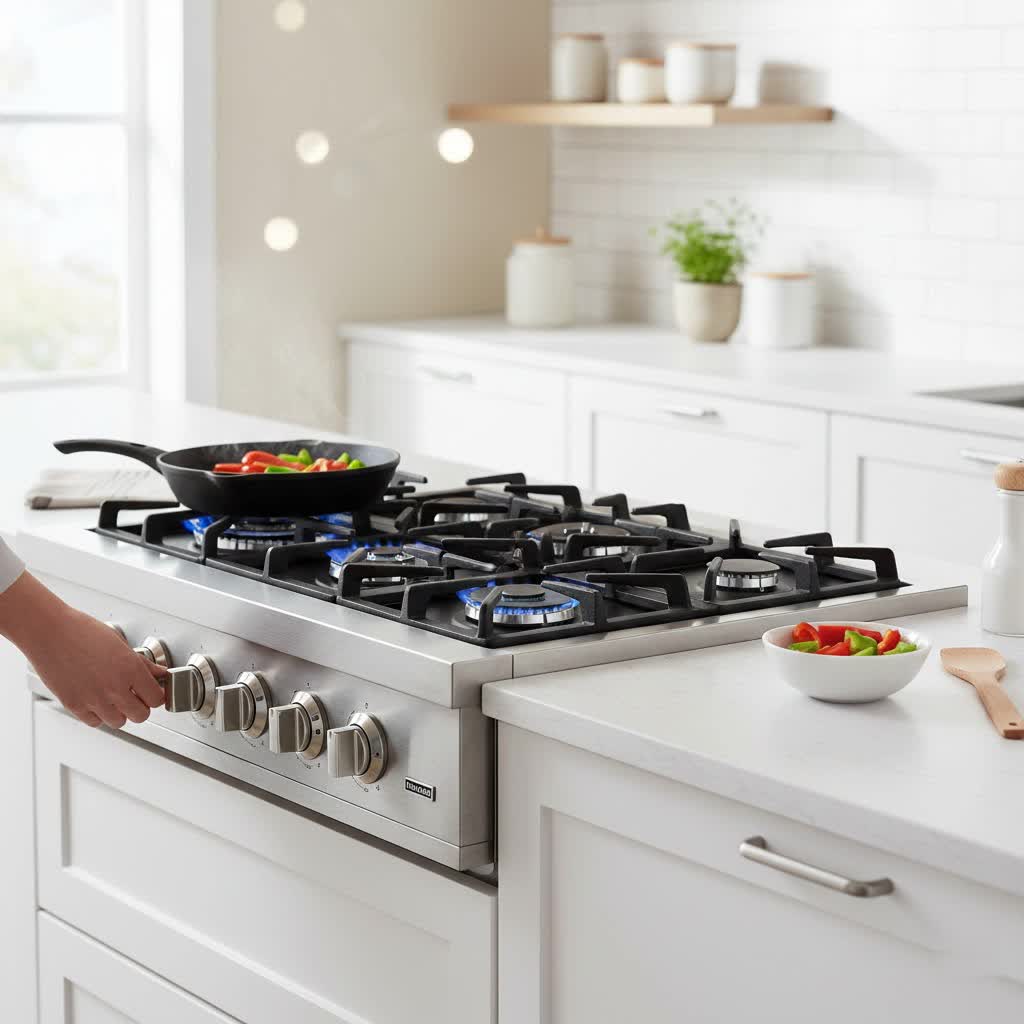
Carbon monoxide is a toxic gas produced when fuels burn incompletely. Unlike natural gas, which often has an added sulfur smell to alert you to a leak, CO has no detectable scent, color, or taste, making it impossible to sense without specialized equipment. Common household appliances and devices that burn fuel are potential sources of CO, including furnaces, water heaters, gas stoves and ovens, clothes dryers, fireplaces, and portable generators.
When CO enters the bloodstream, it prevents oxygen from reaching vital organs and tissues, leading to serious illness and potentially fatal consequences. While everyone is at risk, certain groups are particularly vulnerable, including children (especially those under five), older adults (over 65, often due to pre-existing medical conditions), pregnant individuals, and those with heart or respiratory problems. For these individuals, even low levels of CO exposure can have profound and lasting health impacts.
The Lifesaving Role of Carbon Monoxide Detectors
Installing carbon monoxide detectors is the single most important step you can take to protect your home. These devices serve as your early warning system, alerting you to dangerous levels of CO before symptoms may become apparent. Without them, you might not know a leak is present until it’s too late.
To ensure maximum safety, place CO detectors on every level of your home, including the basement, and specifically outside each separate sleeping area. Ideally, position them within 20 feet of any fuel-burning appliance. Remember that while some smoke detectors are combination units, it’s crucial to verify if yours also detects CO. Regularly test your detectors monthly and replace their batteries twice a year, such as when you adjust your clocks for daylight saving time. It’s also vital to check the manufacturer’s expiry date for the unit itself, as CO detectors typically need to be replaced every 5-7 years. While essential, CO detectors should be considered a critical backup, not a replacement for proper appliance maintenance.
Essential Prevention Strategies: Beyond the Detector
While CO detectors are indispensable, proactive prevention is the best defense against carbon monoxide poisoning. Taking diligent steps to manage fuel-burning appliances and ensure proper ventilation can significantly reduce your risk.
Annual Professional Inspections
|
Our Picks for the Best Gas stove in 2026
As an Amazon Associate I earn from qualifying purchases.
|
||
| Num | Product | Action |
|---|---|---|
| 1 | AMZCHEF 17 Inch 3-Burner RV Gas Range with 1.24 Cu.Ft Oven, High Output Propane Stove for Mobile Home, Camper, Apartment, Stainless Steel |

|
| 2 | GasOne 200K BTU Propane Burner – Heavy-Duty Propane Stove – Outdoor Burner with Adjustable 0-20Psi Regulator and Steel Braided Hose – Ideal for Home Brewing, Turkey Fry |
|
| 3 | GE 30-Inch Freestanding Gas Range with 4 Sealed Burners, Standard Clean Oven, Black |
|
| 4 | Gas One Propane Double Burner Two Burner Camp Stove Outdoor High Pressure Propane 2 Burner Adjustable PSI Regulator and 4ft Hose With Removable Legs |
|
| 5 | Gas One GS-3400P Propane or Butane Stove Dual Fuel Stove Portable Camping Stove - Patented - with Carrying Case Great for Emergency Preparedness Kit |
|
| 6 | Vivicreate High Pressure Propane Gas Outdoor Camping BBQ Grill Stove Burner Estufas de Gas para Cocinar Afuera Es gas propano Regulator 20 PSIG |
|
| 7 | GasOne High Pressure Single Propane Burner - Outdoor Cooking with Heat Shield and Guard – Propane Burner Head for Camping, Tailgating, Seafood Boil, Home Brewing - Patented |
|
| 8 | Horynar Propane Stove 2 Burner Gas Stove Auto Ignition 26000 BTU Tempered Glass Propane Burner LPG with CSA Hose for Outdoor Cooking, Emergency |
|
| 9 | Vivicreate 2 Burner Propane Stove, [20000 BTU] Portable Camping Gas Cooktop with Auto Ignition, Stainless Steel Outdoor Cooker with Regulator & Hose for RV, Backyard, Camping and Emergency Use |
|
| 10 | Gas One Portable Butane Camping Stove with Case: Automatic Ignition, Precise Heat Control - Camping & Tailgating and Outdoor Cooking |
|
One of the most effective preventative measures is scheduling annual inspections of all fuel-burning appliances by a qualified technician. This includes your furnace, water heater, gas stove, dryer vents, and fireplace or chimney. A professional can identify and address issues like cracked heat exchangers in furnaces, blocked flue vents, or other malfunctions that could lead to CO leaks. Regular maintenance ensures appliances operate efficiently and safely, preventing the buildup of dangerous gases.
Proper Ventilation and Appliance Use
Many CO incidents stem from improper use or inadequate ventilation of fuel-burning devices. Adhering to strict guidelines can avert preventable tragedies:
- Vehicle Exhaust: Never, under any circumstances, idle a car or truck in an attached garage, even if the garage door is open. Carbon monoxide fumes can quickly seep into your living space. Always move vehicles outside before starting them.
- Generators: Portable generators are powerful CO producers. Always operate them outdoors, at least 20-25 feet away from your home, downwind, and away from any windows, doors, or vents that could allow exhaust to enter. Never use them in a garage, basement, crawl space, or any partially enclosed area.
- Grills and Camping Equipment: Charcoal grills, gas grills, and camp stoves are designed for outdoor use only. Never bring them indoors, into a garage, or onto a covered porch.
- Heating with Ovens: Never use a gas oven or range as a source of heat for your home. This practice is extremely dangerous and can quickly lead to lethal CO levels.
- Space Heaters: If using unvented gas or kerosene space heaters, ensure you use the proper fuel and maintain adequate ventilation by cracking a window. Ideally, opt for properly vented space heaters that exhaust fumes outdoors.
- Fireplaces and Wood Stoves: Ensure your fireplace flue is open when a fire is burning. Have your chimney inspected and cleaned annually to prevent blockages. If you have a wood stove, ensure its doors fit tightly and it’s certified to meet emission standards.
- Exhaust Fans: Install and use an exhaust fan that vents to the outdoors over your gas stove to help remove combustion byproducts during cooking.
- Clear Vents: Regularly check and clear all outdoor vents for your dryer, furnace, stove, and fireplace of snow, leaves, animal nests, or other debris that could impede proper exhaust.
Recognizing the Warning Signs of CO Poisoning
Carbon monoxide poisoning symptoms can often be mistaken for the flu, food poisoning, or other common illnesses, making it particularly dangerous. It’s crucial to understand the subtle differences. The most common symptoms include headache, weakness, dizziness, nausea or vomiting, shortness of breath, confusion, blurred vision, and sleepiness. A key distinction from the flu is the absence of a fever.
Several indicators might suggest CO poisoning is at play: symptoms improve when you leave your home and worsen upon returning; multiple family members or even pets become ill at the same time; or symptoms appear or intensify shortly after a fuel-burning appliance is activated. If you notice these patterns, especially in conjunction with the flu-like symptoms, act immediately.
What to Do if You Suspect a Leak
If your carbon monoxide detector alarms, or if you or others in your home experience symptoms of CO poisoning:
- Evacuate Immediately: Get everyone, including pets, out of the house and into fresh air without delay. Do not stop to gather belongings.
- Open Windows and Doors: If it’s safe to do so on your way out, open windows and doors to help ventilate the home.
- Call for Help: Once safely outside, call 911 or your local fire department. Do not re-enter your home until emergency responders have declared it safe.
- Seek Medical Attention: If anyone is experiencing symptoms, seek immediate medical attention. Inform healthcare providers that you suspect carbon monoxide exposure.
Conclusion
Carbon monoxide is a genuine and serious threat, but it doesn’t have to be a death sentence. By proactively installing and maintaining CO detectors, ensuring your fuel-burning appliances are regularly inspected and used correctly, and understanding the symptoms of poisoning, you can build a robust shield of safety around your home and loved ones. Don’t wait for an emergency; empower yourself with knowledge and take these vital steps today to prevent carbon monoxide leaks and protect your family from this silent killer.
Frequently Asked Questions
How often should I check and replace my carbon monoxide detectors?
You should test your carbon monoxide detectors monthly and replace their batteries twice a year. The entire unit typically needs to be replaced every 5-7 years, so always check the manufacturer’s recommended expiry date printed on the device.
What are the main sources of carbon monoxide in a home?
Common sources of carbon monoxide in a home include furnaces, water heaters, gas stoves, clothes dryers, fireplaces, portable generators, and vehicles idling in attached garages. Any appliance that burns fuel (natural gas, propane, gasoline, oil, kerosene, wood, or charcoal) can produce CO if not properly maintained or vented.
Can carbon monoxide poisoning be mistaken for the flu?
Yes, carbon monoxide poisoning symptoms, such as headache, dizziness, nausea, and fatigue, are often similar to the flu. A key difference is that CO poisoning does not typically cause a fever. If multiple people or pets in the home feel ill at the same time, or if symptoms improve when away from the house, CO exposure should be suspected.
Is it safe to use a gas oven for heating my home?
No, it is extremely dangerous and never safe to use a gas oven or range to heat your home. Gas ovens are not designed for space heating and can produce hazardous levels of carbon monoxide, leading to severe illness or death.
Where should I place a portable generator to ensure safety?
Portable generators must always be operated outdoors, at least 20-25 feet away from your home, and downwind. Ensure they are positioned away from any windows, doors, or vents to prevent carbon monoxide exhaust from entering your house. Never use a generator in a garage or any enclosed or partially enclosed area.
