As an experienced technician with over a decade in the gas appliance field, from everyday home models to advanced commercial units, I’ve had my hands on countless gas stoves. I understand the technology, features, and safety standards that truly make a difference. For many homes, the 30-inch gas range is the ideal centerpiece, balancing powerful cooking capabilities with a footprint that fits most standard kitchen layouts. Selecting the right one can transform your culinary experience, offering precision, efficiency, and safety. Let’s explore the world of 30-inch gas ranges together to help you make an informed decision.
What is a Gas Range? Overview of Today’s Market
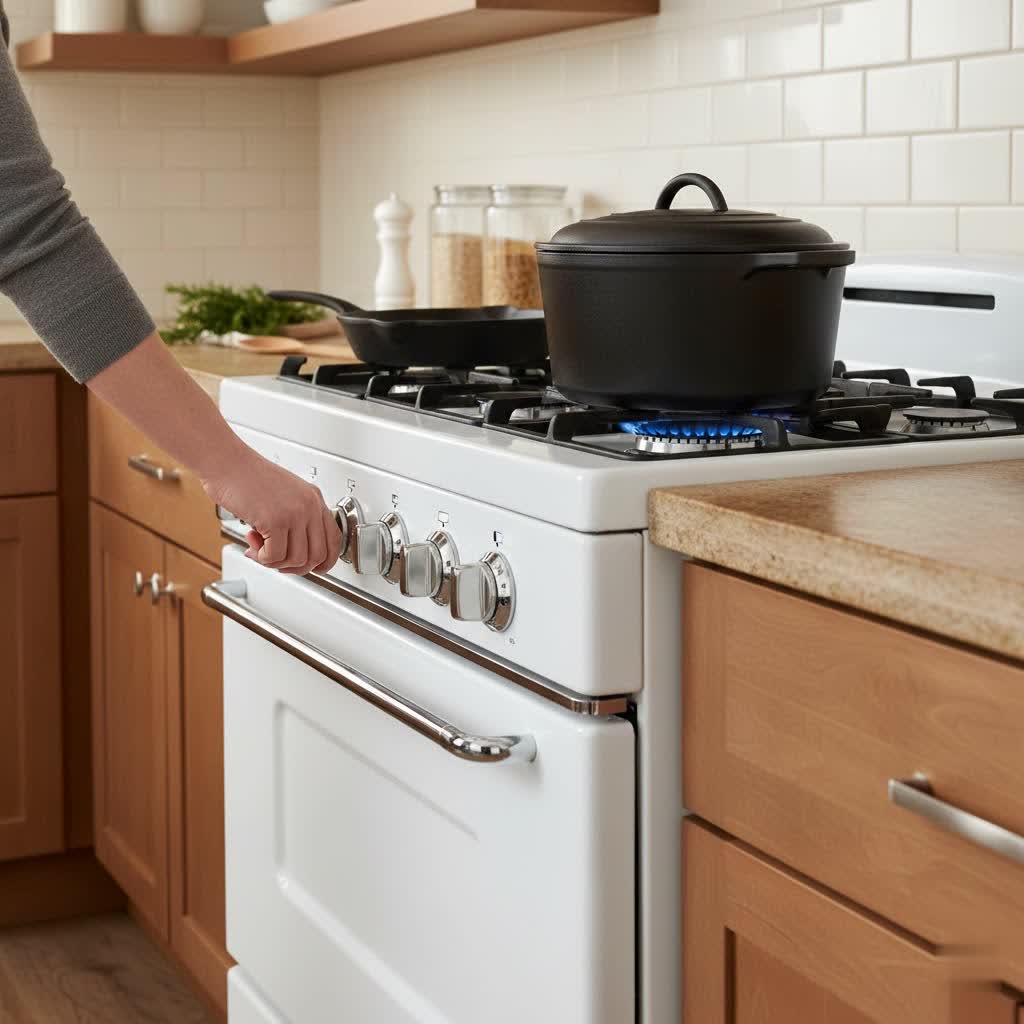
A gas range is a cooking appliance that uses natural gas or propane for both its stovetop burners and oven. Despite the rise of electric and induction alternatives, gas ranges remain a popular choice for their distinctive advantages in cooking. Chefs and home cooks often prefer them for the instant heat and precise flame control they offer, allowing for quick adjustments to cooking temperatures that electric models cannot always match. This immediate responsiveness makes gas ranges particularly adept at tasks like searing, sautéing, and simmering delicate sauces.
The market for 30-inch gas ranges is robust, with numerous manufacturers offering models tailored to various needs and budgets. While larger ranges exist, the 30-inch size is widely considered standard for residential kitchens, offering ample cooking space without demanding extensive renovations.
Pros of Gas Ranges:
- Instant Heat & Precise Control: Gas burners light up immediately, providing visual feedback and granular control over heat intensity.
- Even Cooktop Heating: The open flame typically provides uniform heat distribution across the bottom of cookware, which is excellent for stir-frying or boiling.
- Lower Operating Costs: Natural gas is often more economical than electricity, leading to reduced utility bills over time.
- Cookware Versatility: Gas ranges are compatible with all types of cookware, including cast iron and woks, without concerns about surface scratching.
- Works During Power Outages: As long as your gas line is operational, manual ignition can allow stovetop cooking during electrical outages.
Cons of Gas Ranges:
- Installation Requirements: A natural gas line is essential, and professional installation is highly recommended to ensure safety and code compliance.
- Oven Heating: Gas ovens may sometimes have slightly less even heat distribution compared to electric convection ovens, though modern gas ranges with convection technology have significantly improved in this area.
- Cleaning Challenges: While many modern gas ranges feature sealed burners for easier cleanup, spills can still accumulate around grates and burner caps.
- Environmental Concerns: Gas ranges use fossil fuels, contributing to carbon emissions, which is a consideration for environmentally conscious consumers.
- Safety Considerations: Gas appliances pose a risk of gas leaks if not properly maintained or installed, though modern ranges include advanced safety features.
Classifying Gas Ranges: A Detailed Guide
Understanding the different classifications of 30-inch gas ranges can help you narrow down your choices based on your kitchen layout and cooking preferences.
By Installation Type
- Freestanding Gas Ranges: These are the most common and versatile type. They feature finished sides, allowing them to be placed at the end of a cabinet run, between cabinets, or even as a standalone unit. Controls are typically located on the backguard. They are generally the most budget-friendly option and easiest to install.
- Slide-in Gas Ranges: Designed to fit between cabinets for a custom, built-in look, slide-in ranges do not have a backguard; their controls are front-mounted. This seamless integration often gives a more modern and upscale appearance. They require a countertop cutout for installation.
- Professional-Style Gas Ranges: While often available in larger sizes, many brands offer 30-inch pro-style options. These ranges feature robust construction, high-BTU burners, and sometimes advanced oven functions like true convection, mimicking commercial kitchen equipment. They often have distinct aesthetics, such as prominent control knobs and a stainless-steel finish.
|
Our Picks for the Best Gas stove in 2026
As an Amazon Associate I earn from qualifying purchases.
|
||
| Num | Product | Action |
|---|---|---|
| 1 | AMZCHEF 17 Inch 3-Burner RV Gas Range with 1.24 Cu.Ft Oven, High Output Propane Stove for Mobile Home, Camper, Apartment, Stainless Steel |

|
| 2 | Vivicreate High Pressure Propane Gas Outdoor Camping BBQ Grill Stove Burner Estufas de Gas para Cocinar Afuera Es gas propano Regulator 20 PSIG |
|
| 3 | Gas One Propane Double Burner Two Burner Camp Stove Outdoor High Pressure Propane 2 Burner Adjustable PSI Regulator and 4ft Hose With Removable Legs |
|
| 4 | Gas One GS-3400P Propane or Butane Stove Dual Fuel Stove Portable Camping Stove - Patented - with Carrying Case Great for Emergency Preparedness Kit |
|
| 5 | Vivicreate 2 Burner Propane Stove, [20000 BTU] Portable Camping Gas Cooktop with Auto Ignition, Stainless Steel Outdoor Cooker with Regulator & Hose for RV, Backyard, Camping and Emergency Use |
|
| 6 | GE 30-Inch Freestanding Gas Range with 4 Sealed Burners, Standard Clean Oven, Black |
|
| 7 | Horynar Propane Stove 2 Burner Gas Stove Auto Ignition 26000 BTU Tempered Glass Propane Burner LPG with CSA Hose for Outdoor Cooking, Emergency |
|
| 8 | GasOne 200K BTU Propane Burner – Heavy-Duty Propane Stove – Outdoor Burner with Adjustable 0-20Psi Regulator and Steel Braided Hose – Ideal for Home Brewing, Turkey Fry |
|
| 9 | Gas One Portable Butane Camping Stove with Case: Automatic Ignition, Precise Heat Control - Camping & Tailgating and Outdoor Cooking |
|
| 10 | GasOne High Pressure Single Propane Burner - Outdoor Cooking with Heat Shield and Guard – Propane Burner Head for Camping, Tailgating, Seafood Boil, Home Brewing - Patented |
|
By Burner Configuration
Most 30-inch gas ranges come with four or five burners.
- Number of Burners:
- Four Burners: Standard for basic cooking needs, often arranged in a square pattern.
- Five Burners: Increasingly common, usually featuring a center oval burner perfect for griddles or larger pots.
- Burner Type and Power (BTU Output): Look for a variety of BTU (British Thermal Unit) outputs to handle different cooking tasks.
- High-BTU Power Burners: Typically 15,000-22,000 BTUs, ideal for rapid boiling, searing, and wok cooking.
- Simmer Burners: Designed for very low heat (as low as 500-800 BTUs) to gently melt chocolate or keep sauces warm without burning.
- Sealed Burners: Most modern ranges feature sealed burners, which prevent spills from dripping into the burner components, making cleanup significantly easier.
- Grates: Heavy-duty continuous grates, often made of cast iron, allow you to slide pots and pans across burners without lifting them.
By Oven Features
The oven section of a gas range offers various features that enhance baking and roasting.
- Oven Capacity: While the external width is 30 inches, internal oven capacity typically ranges from 4.8 to 6.0 cubic feet. Larger capacities are ideal for holiday meals or batch baking.
- Convection Technology:
- Convection: Uses a fan to circulate hot air, promoting faster and more even cooking.
- True/European Convection: Adds a third heating element around the fan for even more consistent heat, particularly beneficial for baking multiple racks of cookies or roasting large items.
- Specialized Cooking Modes:
- Air Fry: Many newer models integrate an air fryer mode, offering a healthier way to achieve crispy results without a separate appliance.
- Air Sous Vide: A unique feature on some LG models, allowing for precise, low-temperature cooking.
- Double Oven: Some 30-inch ranges ingeniously fit two oven cavities, enabling simultaneous cooking at different temperatures.
- Self-Cleaning Options:
- High-Heat Self-Clean: Uses extremely high temperatures to burn off food residue, which then turns into ash to be wiped away.
- Steam Clean: A gentler, quicker option using steam to loosen light soils.
By Control & Smart Features
- Control Type: Traditional knob controls offer a tactile experience, while digital displays provide precise temperature settings and additional cooking modes.
- Smart Features & Connectivity: Many modern ranges offer Wi-Fi connectivity, allowing you to preheat the oven, adjust temperatures, or monitor cooking progress remotely via a smartphone app. Brands like LG (ThinQ®) and GE (Chef Connect/SmartHQ™) integrate these functionalities. Some models even have InstaView™ technology, letting you tap the oven door to illuminate the interior without opening it.
Comparison Table of Popular 30-Inch Gas Range Types
| Feature | Freestanding Gas Range | Slide-In Gas Range | Professional-Style 30-Inch Gas Range |
|---|---|---|---|
| Appearance | Finished sides, backguard with controls | Unfinished sides, front controls, built-in look | Robust, often commercial-inspired, prominent knobs |
| Installation | Flexible placement, sits between or at end of cabinets | Fits between cabinets, requires countertop cutout | May require specific clearances, often heavier construction |
| Burner Count | Typically 4-5 burners | Typically 4-5 burners, often with specialty options | Usually 4-6 high-BTU burners, dual-stacked for precision |
| Oven Features | Standard oven, some with convection or air fry | Convection common, often with advanced modes (air fry, double oven) | True convection, infrared broiler, large capacity, durable racks |
| Smart Features | Available on many mid-to-high-end models | More frequently integrated, enhanced connectivity | Less focus on “smart,” more on robust, tactile controls |
| Price Range | Affordable to mid-range | Mid-range to high-end | High-end to luxury |
| Target User | Everyday cook, budget-conscious, flexible kitchen layout | Modern kitchen aesthetics, serious home cooks | Enthusiast home chefs, premium kitchen, desire for powerful performance |
Expert Buying Guide: Choosing Your Ideal 30-Inch Gas Range
Selecting the perfect 30-inch gas range involves aligning your culinary habits with the features and budget that best suit your household.
1. Assess Your Cooking Needs
Consider your household size, how often you cook, and the types of dishes you prepare.
- Family Size: A standard single oven and 4-5 burners are sufficient for most families. Larger families or those who entertain frequently might benefit from a double oven model.
- Cooking Frequency: Daily cooks will appreciate robust construction and advanced features, while occasional cooks might opt for simpler, more budget-friendly models.
- Cooking Style:
- Baking Enthusiast? Prioritize true convection for even baking, multiple rack positions, and generous oven capacity.
- Searing & Stir-Frying? Look for at least one high-BTU power burner (18,000+ BTUs).
- Delicate Sauces? A dedicated simmer burner is invaluable.
- Health-Conscious? An integrated air fry mode can be a game-changer.
2. Understand Burner Power & Versatility
The BTU output of burners directly impacts cooking efficiency. A good range offers a mix of burner powers.
- “The best high-performing gas ranges strike a balance between burner size and variety,” says Eva Bleyer, a reviews analyst and lead range tester for the Good Housekeeping Institute Kitchen Appliances and Innovation Lab.
- Ensure the range has at least one high-output burner for rapid boiling and a low-output simmer burner for delicate tasks.
- Continuous, heavy-duty grates are a practical feature for easily moving pots and pans.
3. Evaluate Oven Performance
Beyond basic baking, consider features that elevate your oven experience.
- Convection: True convection is a significant upgrade for even cooking and faster preheating.
- Capacity: A typical 30-inch oven capacity of 4.8 to 6.0 cubic feet usually suffices.
- Extra Features: Features like a built-in meat thermometer, telescopic racks, or a warming drawer add convenience. An air fry mode can reduce the need for a separate appliance.
4. Consider Design and Installation
The range’s style should complement your kitchen, and its installation type is crucial for fit.
- Freestanding vs. Slide-in: Choose freestanding for flexibility and budget, or slide-in for a sleeker, integrated look.
- Material: Stainless steel is popular for its durability and modern aesthetic. Check the gauge of the steel; thicker steel indicates higher quality and resistance to dents.
- Ventilation: A range hood is essential for a gas range. Experts recommend a hood that is at least 6 inches wider than your stove for optimal ventilation.
- Gas Line: Confirm your kitchen has a natural gas line and plan for professional installation, which is critical for safety.
5. Prioritize Safety Features
Modern gas ranges come with essential safety mechanisms.
- Look for models with automatic shut-off functions and flame failure devices that cut off gas supply if the flame extinguishes.
- Gas leak detection systems offer added peace of mind.
- Cool-touch surfaces and heat-resistant oven door glass are also beneficial.
6. Budget and Brand Reputation
Set a budget and research brands known for reliability and customer service.
- Reputable Brands: Rinnai, LG, GE, Frigidaire, Bosch, KitchenAid, Monogram, Café, Wolf, Thermador, and Maytag are consistently rated well in the 30-inch gas range category.
- Read user reviews to gauge long-term satisfaction and identify common issues.
Top 5 Recommended 30-Inch Gas Ranges for Standard Kitchens
Based on performance, features, value, and user reviews, here are some of the top 30-inch gas ranges that cater to various needs.
1. LG LRGL5825F (Overall Performer with Smart Features)
This LG model frequently earns high marks for its all-around performance and smart integrations.
- Pros: Features a true convection oven, excellent baking evenness, and an unusually effective air fryer mode. It offers useful smart features via the ThinQ® app, including remote control and monitoring. The InstaView™ window allows you to check on food by tapping the door.
- Cons: Smart features might be considered gimmicky by some, and connecting to the app can sometimes take a few attempts.
- Ideal For: Home-baking enthusiasts and tech-savvy cooks looking for a versatile, feature-rich freestanding range.
2. Frigidaire FFGH3054US (Best Value)
The Frigidaire FFGH3054US is a reliable and affordable option packed with desirable features for its price point.
- Pros: Comes with five burners, including a 17,000 BTU quick boil burner for rapid heating and an oval center burner. Offers ample oven capacity and is known for its reliability.
- Cons: May lack some of the advanced smart features or premium finishes found in higher-priced models.
- Ideal For: Budget-conscious buyers or those seeking a dependable workhorse with essential cooking capabilities without unnecessary frills.
3. Bosch 800 Series HGI8056UC (Best for Baking & Precision)
Bosch is synonymous with precision engineering, and this 800 Series slide-in model is a favorite for bakers.
- Pros: Praised for its large capacity oven, quick preheating, and accurate, even cooking results, especially with convection settings. Features five different rack positions and an extra-large window for monitoring.
- Cons: Positioned in the luxury segment, so it comes with a higher price tag.
- Ideal For: Serious bakers and home chefs who prioritize precise oven performance and a sleek, integrated kitchen aesthetic.
4. Monogram Statement Collection 30″ Pro-Style Natural Gas Range (High-End & Durable)
For those seeking a professional-grade experience in a 30-inch footprint, Monogram offers exceptional durability and powerful performance.
- Pros: Built with durable materials for longevity, features high-power burners, a wok grate, and a quickly heating oven. Incorporates the Chef Connect system for syncing with a range hood.
- Cons: A luxury appliance with a premium price point, and its pro-style aesthetic might not suit all kitchen designs.
- Ideal For: Home cooks who demand commercial-grade power, exceptional build quality, and a bold, professional look for their kitchen.
5. Café CGS750P4MW2 (Best Double Oven)
This Café slide-in model maximizes space by offering two ovens within the standard 30-inch width, along with a versatile cooktop.
- Pros: Allows cooking multiple dishes at different temperatures simultaneously. Features six burners (total), including a power boil burner and a griddle. Also includes an air fryer mode.
- Cons: Double ovens mean smaller individual oven capacities compared to a single large oven.
- Ideal For: Families or entertainers who need the flexibility to cook multiple items at once and appreciate integrated features like a griddle and air fryer.
Safe Usage and Maintenance Tips for Your Gas Range
Proper use and regular maintenance are crucial for extending the life of your gas range and ensuring safety in your kitchen.
Installation
- Professional Installation: Always hire a licensed professional for installation to ensure safe gas line connections, proper ventilation, and adherence to local codes. This is not a DIY task due to the inherent risks of gas.
- Ventilation: Ensure adequate ventilation with a correctly sized range hood. For a 30-inch range, a 36-inch range hood is ideal for maximum air filtration.
Safe Usage
- Never Leave Unattended: Always supervise cooking on the stovetop.
- Use Proper Cookware: Ensure pots and pans are sized appropriately for the burners to prevent flames from extending beyond the base.
- Clearance: Keep flammable materials away from the cooktop and oven vents.
- Gas Odor: If you smell gas, immediately turn off the range, open windows, evacuate the premises, and call your gas company or emergency services from a safe location. Do not use electrical switches or phones inside the house.
Cleaning and Maintenance
- Daily Wipe-Down: Wipe spills immediately after the range cools to prevent them from baking on.
- Burner Caps & Grates: Regularly remove and clean burner caps and grates. Many cast iron grates are dishwasher safe.
- Oven Cleaning: Utilize your oven’s self-cleaning feature periodically, following the manufacturer’s instructions. For lighter spills, a steam clean option is quick and effective.
- Inspect Gas Lines: Have your gas line and connections inspected periodically by a qualified technician to check for any wear or leaks.
Common Gas Range Problems and Troubleshooting
Even the best appliances can encounter issues. Here are some common problems with gas ranges and how to address them:
1. Burner Not Igniting
- Check Gas Supply: Ensure the gas valve to the range is fully open and there are no general gas supply issues in your home.
- Clean Burner Parts: Food debris or moisture can block the igniter or gas port. Carefully clean around the burner cap and igniter with a soft brush or toothpick after ensuring the range is cool and unplugged.
- Igniter Malfunction: If the igniter clicks but doesn’t light, or doesn’t click at all after cleaning, it might need replacement by a professional.
2. Uneven Flame or Weak Burner
- Clogged Burner Ports: Food particles can clog the small holes where gas exits. Clean these ports with a thin wire or toothpick.
- Burner Cap Misalignment: Ensure the burner cap is correctly seated on the burner base.
- Moisture: Water from spills or cleaning can temporarily affect flame quality. Allow components to thoroughly dry.
3. Gas Odor
- Pilot Light (older models): If you have an older model with a pilot light, it might have gone out.
- Burner Not Fully Off: Double-check that all burner knobs are completely in the “off” position.
- Small Leak: A faint odor might indicate a small leak. Immediately follow safety protocols: ventilate, evacuate, and call your gas provider.
4. Oven Not Heating Properly
- Pilot Light (gas oven): For gas ovens, check if the pilot light is lit.
- Igniter Issue: The oven igniter might be failing. This usually requires professional repair.
- Temperature Sensor: A faulty temperature sensor can lead to inaccurate heating.
For any issues involving a persistent gas smell, suspected gas leaks, or complex malfunctions you can’t resolve through basic troubleshooting, always call a certified appliance technician or your gas utility company immediately.
Conclusion
Choosing the ideal 30-inch gas range for your standard kitchen means finding a harmonious balance between power, precision, aesthetics, and safety. From the instant heat control cherished by culinary experts to innovative features like air frying and smart connectivity, today’s market offers an array of options to suit every cooking style and budget. By focusing on essential features like burner versatility, oven performance, and robust safety mechanisms, you can confidently select a gas range that not only fits perfectly into your kitchen space but also elevates your daily cooking experience. Embrace the responsive flame and consistent heat that a quality 30-inch gas range provides, making every meal a masterpiece.
What features do you value most in your cooking appliances, and how do you envision your ideal 30-inch gas range transforming your kitchen?
Frequently Asked Questions
Is a 30-inch gas range truly 30 inches wide?
No, most “30-inch” ranges actually measure slightly less, typically between 27 to 29 inches wide. This allows them to fit comfortably into a standard 30-inch cabinet cutout, ensuring a seamless and consistent fit across different brands and kitchen designs.
What is the typical oven capacity for a 30-inch gas range?
The internal oven capacity for a 30-inch gas range usually ranges from 4.8 to 6.0 cubic feet. This provides ample space for most family meals, baking multiple dishes, or accommodating large roasting pans during holiday gatherings.
How many burners does a standard 30-inch gas range have?
Most 30-inch gas ranges come with four or five burners. Five-burner models often include a center oval burner designed for griddles or oversized pots, offering increased versatility for diverse cooking needs.
What BTU output should I look for in a 30-inch gas range?
Look for a range with varied BTU outputs, typically from 5,000 BTUs for simmering to 15,000-22,000 BTUs for high-heat searing and rapid boiling. A good mix ensures you have the right heat level for any cooking task.
Do 30-inch gas ranges require special ventilation?
Yes, proper ventilation is crucial for gas ranges to remove cooking fumes, odors, and combustion byproducts. It’s recommended to install a range hood that is at least as wide as your stove, with many experts suggesting a hood 6 inches wider for optimal performance.
What is the difference between a freestanding and a slide-in 30-inch gas range?
A freestanding range has finished sides and controls on a backguard, allowing it to be placed anywhere. A slide-in range has unfinished sides and front-mounted controls, designed to fit snugly between cabinets for a more integrated, built-in look.
