Choosing the right gas cooktop for your kitchen is a decision that impacts your daily cooking experience, often more than you might realize. Among the most fundamental choices is the type of burner: sealed or open. While both provide the reliable flame we associate with gas cooking, their design significantly influences performance, maintenance, and suitability for various culinary tasks. Understanding these differences is key to ensuring your new gas stove perfectly matches your cooking style, aesthetic preferences, and lifestyle.
Understanding Gas Burners: An Overview of the Two Main Types
Gas burners are the heart of any gas range, delivering precise and immediate heat for your cooking needs. Historically, open burners were the standard, but advancements in design have led to the widespread adoption of sealed burners in modern kitchens. Each type, however, serves distinct purposes and caters to different user expectations.
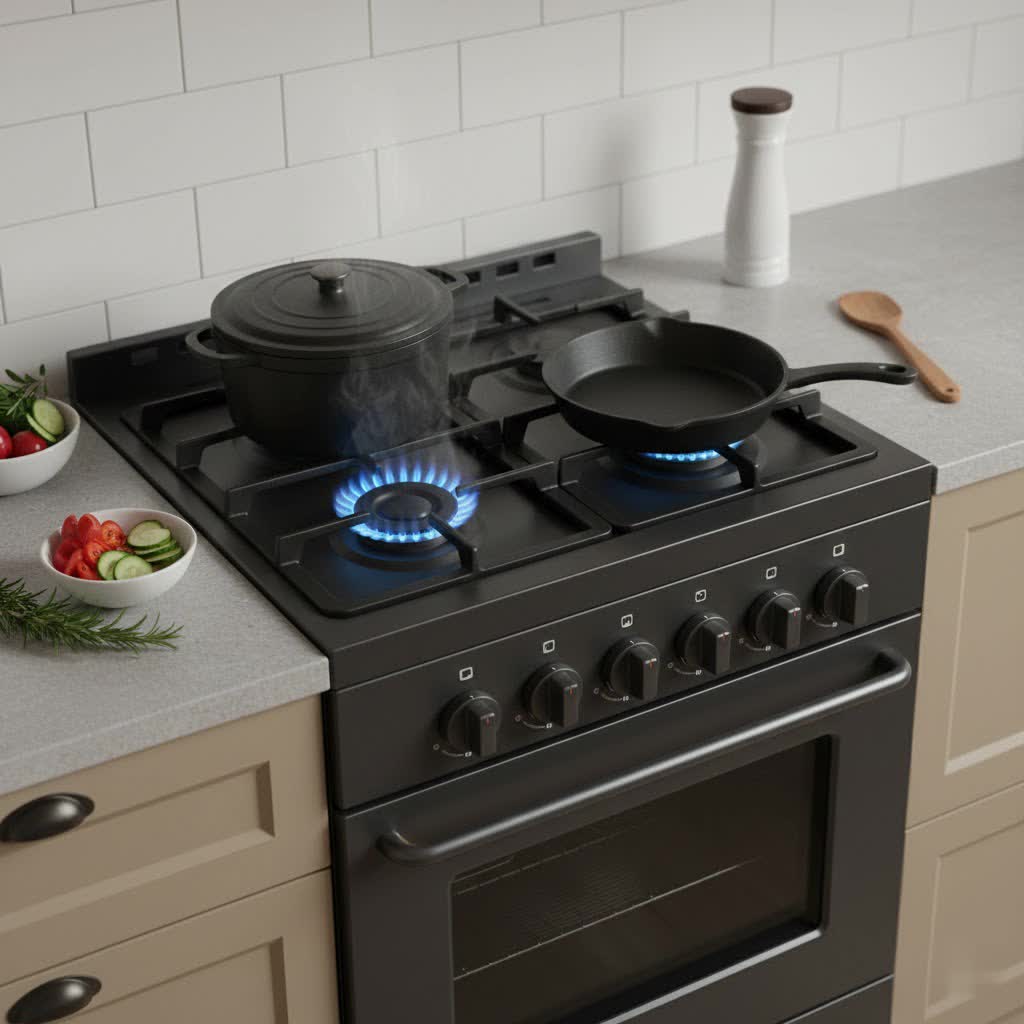
Sealed gas burners are characterized by their integrated design where the burner assembly is sealed directly to the cooktop surface. This means that liquids and food particles cannot easily fall beneath the burner, remaining on the surface for easy cleanup. The flame typically emerges from smaller ports, often directing heat somewhat sideways before rising to meet your cookware. This construction is a hallmark of most contemporary residential gas ranges, prioritizing convenience and a sleek look.
Open gas burners, in contrast, feature a more exposed design. The burner components, including the gas jets and ignition, are not sealed to the cooktop. Instead, they sit within a cavity, allowing air to flow freely around and beneath the flame. Any spills or debris can fall through openings into a removable drip tray located below the burners. This design is often seen in commercial kitchens and high-end professional-style residential ranges, valued for its raw power and direct heat.
Key Differences Explored: Performance, Cleaning, and Design
The distinction between sealed and open gas burners goes far beyond their appearance, impacting every aspect of your cooking and kitchen maintenance.
Heat and Power: BTUs and Culinary Capability
One of the most significant differentiators lies in their heat output and how efficiently they transfer energy to your pots and pans.
-
Open Burners: Unmatched Power and Responsiveness
Open burners are renowned for their superior power and heat delivery. Due to the free flow of oxygen around the burner, they achieve more complete combustion, resulting in a hotter, more concentrated flame. This design allows for higher British Thermal Unit (BTU) ratings, with some professional open burners reaching 25,000 BTUs or more. This immense power is ideal for:- Rapid Boiling: Getting water to a rolling boil in minutes.
- Searing: Achieving a perfect, restaurant-quality crust on meats.
- Stir-Frying: Maintaining high heat even when adding ingredients to a wok, crucial for authentic results.
- Precise Simmering: Counter-intuitively, the broad flame pattern and fine-tuned control of high-end open burners can also provide an incredibly delicate simmer, allowing for nuanced temperature management.
-
Sealed Burners: Consistent Heat for Everyday Tasks
Sealed burners typically offer lower BTU outputs, often topping out around 15,000 BTUs. While modern sealed burners have improved significantly, their design inherently limits the amount of oxygen reaching the flame, which can slightly reduce maximum heat and combustion efficiency compared to open counterparts. They excel at:- Everyday Cooking: Perfect for sautéing vegetables, cooking pasta, and preparing most standard meals.
- Even Heating: The design can sometimes lead to more even heat distribution across the bottom of a pan, especially for lower-heat tasks, making them reliable for consistent cooking results.
|
Our Picks for the Best Gas stove in 2026
As an Amazon Associate I earn from qualifying purchases.
|
||
| Num | Product | Action |
|---|---|---|
| 1 | GasOne 200K BTU Propane Burner – Heavy-Duty Propane Stove – Outdoor Burner with Adjustable 0-20Psi Regulator and Steel Braided Hose – Ideal for Home Brewing, Turkey Fry |

|
| 2 | GasOne High Pressure Single Propane Burner - Outdoor Cooking with Heat Shield and Guard – Propane Burner Head for Camping, Tailgating, Seafood Boil, Home Brewing - Patented |
|
| 3 | Vivicreate 2 Burner Propane Stove, [20000 BTU] Portable Camping Gas Cooktop with Auto Ignition, Stainless Steel Outdoor Cooker with Regulator & Hose for RV, Backyard, Camping and Emergency Use |
|
| 4 | Horynar Propane Stove 2 Burner Gas Stove Auto Ignition 26000 BTU Tempered Glass Propane Burner LPG with CSA Hose for Outdoor Cooking, Emergency |
|
| 5 | GE 30-Inch Freestanding Gas Range with 4 Sealed Burners, Standard Clean Oven, Black |
|
| 6 | Gas One GS-3400P Propane or Butane Stove Dual Fuel Stove Portable Camping Stove - Patented - with Carrying Case Great for Emergency Preparedness Kit |
|
| 7 | AMZCHEF 17 Inch 3-Burner RV Gas Range with 1.24 Cu.Ft Oven, High Output Propane Stove for Mobile Home, Camper, Apartment, Stainless Steel |
|
| 8 | Gas One Portable Butane Camping Stove with Case: Automatic Ignition, Precise Heat Control - Camping & Tailgating and Outdoor Cooking |
|
| 9 | Vivicreate High Pressure Propane Gas Outdoor Camping BBQ Grill Stove Burner Estufas de Gas para Cocinar Afuera Es gas propano Regulator 20 PSIG |
|
| 10 | Gas One Propane Double Burner Two Burner Camp Stove Outdoor High Pressure Propane 2 Burner Adjustable PSI Regulator and 4ft Hose With Removable Legs |
|
Cleaning and Maintenance: A Daily Chore or a Deep Clean?
The design difference profoundly affects how you clean your cooktop.
-
Sealed Burners: The Easy Wipe-Down Champion
The biggest advantage of sealed burners for many home cooks is the ease of cleaning. Since spills and crumbs are contained on the flat, smooth surface surrounding the burner, a quick wipe with a damp cloth or sponge is usually all that’s needed. This prevents food particles from entering the internal components of the stove, simplifying daily maintenance and keeping your kitchen looking tidy with minimal effort. -
Open Burners: The Professional Approach to Cleanliness
Open burners require a more thorough cleaning regimen. While the concept of spills falling into a drip tray sounds convenient, it means removing heavy cast-iron grates and burner components to access and clean these trays. Food particles and grease can accumulate beneath the burners and in the trays, demanding regular deep cleaning to prevent odors and maintain hygiene. However, many professional-style open burner systems feature removable, often dishwasher-safe, drip trays to streamline this process.
Heat Distribution: Focused Power vs. All-Encompassing Warmth
The way heat spreads from the burner to your cookware is also a key distinction.
- Open Burners: Deliver direct and robust heat, often with a wider flame pattern that envelops the bottom of the pan evenly. This ensures that the entire cooking surface receives consistent heat, preventing hot spots in the center while the edges remain cooler.
- Sealed Burners: While aiming for evenness, some sealed burners might concentrate more heat in the center, potentially leading to uneven cooking where the middle of the pan cooks faster than the edges, especially at higher temperatures.
Design and Aesthetics: Modern Sleekness vs. Professional Robustness
The visual impact of each burner type can influence your kitchen’s overall aesthetic.
- Sealed Burners: Often found in contemporary kitchen designs, offering a sleek, integrated look that blends seamlessly with modern countertops and appliances. Their smooth surface contributes to a minimalist and clean appearance.
- Open Burners: Tend to evoke a more professional or commercial kitchen vibe. The visible, robust cast-iron grates and exposed burners suggest heavy-duty performance and are favored in kitchens designed for serious culinary pursuits.
Safety Considerations: Spill Containment and Flame Management
Both types of gas burners adhere to strict safety standards, but their design approaches safety differently.
- Sealed Burners: The sealed design naturally contains spills on the surface, reducing the risk of liquids affecting the flame or internal components. This containment also minimizes potential flare-ups from grease drips.
- Open Burners: While spills can fall into the drip trays, the exposed flame design means users should be more mindful of placement and potential interaction with flammable materials. Modern open burner systems often include safety features like automatic re-ignition.
Durability and Construction: Built to Last Under Different Strains
The construction typically reflects the intended use and stress the burners will endure.
- Open Burners: Often built with heavy-duty materials like cast iron, designed to withstand intense heat and rigorous daily use, similar to commercial kitchen equipment. Their exposed nature allows for direct flame interaction, which these materials are chosen to handle.
- Sealed Burners: Generally durable for everyday home use, with materials chosen for heat resistance and ease of cleaning on the surface. The sealed design protects internal components from direct exposure to spills and some corrosive elements.
Sealed Gas Burners: Pros and Cons for the Home Cook
For many home kitchens, sealed gas burners remain the popular choice, offering a balance of performance and convenience.
Pros of Sealed Gas Burners:
- Effortless Cleanup: This is arguably their greatest advantage. A simple wipe-down after cooking is usually sufficient, saving precious time and effort.
- Sleek Aesthetic: Their smooth, integrated look complements modern kitchen designs beautifully.
- Enhanced Safety (Spill Management): Spills are contained on the surface, reducing the risk of them reaching internal components or affecting the flame, making them a reassuring option for busy households.
- Energy Efficiency: The contained flame can sometimes lead to slightly better energy retention, as less heat escapes downwards.
- Quiet Operation: Generally operate with less ambient noise compared to the more powerful roar of high-BTU open burners.
Cons of Sealed Gas Burners:
- Limited Maximum Power: While sufficient for most home cooking, they typically cannot match the extreme heat output required for professional-level searing or wok cooking.
- Slower Heat-Up Times: Achieving very high temperatures can take longer compared to open burners.
- Less Direct Flame Control: The flame ports often direct heat sideways, which can sometimes feel less immediate or precise for certain cooking techniques.
- Potential for Uneven Heat: Some models may exhibit slight temperature variations across the bottom of a pan, especially at higher settings.
Open Gas Burners: The Chef’s Choice and Beyond
Open gas burners are often the preferred option for culinary enthusiasts and professional chefs who demand uncompromising performance and precise control.
Pros of Open Gas Burners:
- Unrivaled Power: Experience cooking with intense, direct heat for incredibly fast boiling, perfect searing, and high-heat stir-frying.
- Superior Heat Distribution: The unrestricted airflow and wide flame pattern ensure remarkably even heating across the entire base of your cookware.
- Exceptional Flame Control: The direct exposure of the flame allows for instant and precise adjustments, giving cooks maximum command over their heat source.
- Wok Compatibility: Many open burner ranges are designed with deep grates or removable centers, allowing woks to sit perfectly within the flame for optimal heat transfer without needing additional accessories.
- Robust, Professional Aesthetic: Their substantial build and visible flame deliver a professional kitchen look and feel.
Cons of Open Gas Burners:
- More Involved Cleaning: The exposed design and drip trays necessitate more frequent and thorough cleaning, which can be time-consuming.
- Higher Initial Cost: Ranges featuring open burners, especially those designed for professional performance, tend to come with a higher price tag.
- Potential for Blockages: While drip trays catch most spills, repeated overflows or infrequent cleaning can lead to residue accumulating around burner ports, potentially affecting flame performance.
- Heat Radiation: Due to the exposed flame, open burners might radiate more heat into the kitchen environment, which can be a consideration in warmer climates or smaller spaces.
Making Your Choice: Which Gas Burner Is Right for Your Kitchen?
Deciding between sealed and open gas burners ultimately comes down to a few critical considerations about your cooking habits, priorities, and kitchen environment.
-
Assess Your Cooking Style:
- Everyday Home Cook: If your cooking involves standard recipes, simmering, and occasional sautéing, a sealed burner will likely provide all the heat you need with the added benefit of easy cleanup.
- Serious Culinary Enthusiast or Aspiring Chef: If you frequently engage in high-heat cooking like searing steaks, stir-frying, or rapid boiling, and value ultimate control and power, an open burner system will allow you to explore a wider range of techniques and achieve professional results.
-
Prioritize Cleanup Effort:
- If minimal maintenance and a quick wipe-down are paramount, sealed burners are the clear winner.
- If you don’t mind a more involved cleaning routine, which often includes removing grates and emptying drip trays, for the sake of superior performance, open burners are a viable option.
-
Consider Your Budget and Aesthetic:
- Sealed burners are more common in a broader range of price points and tend to fit modern, minimalist kitchen aesthetics.
- Open burners are often found in higher-end, professional-style ranges and come with a premium price, appealing to those who desire a robust, commercial look.
-
Think About Kitchen Ventilation:
- Given the higher heat output and potential for greater heat radiation, open burner ranges often benefit from more powerful ventilation systems to effectively remove heat, smoke, and cooking odors.
By carefully weighing these factors, you can confidently select the gas burner type that will best serve your culinary adventures and complement your home kitchen for years to come.
Conclusion
The debate between sealed and open gas burners isn’t about one being universally “better” than the other; rather, it’s about finding the ideal match for your individual cooking needs and lifestyle. Sealed burners offer unparalleled convenience with their easy cleanup and consistent performance for everyday meals, fitting seamlessly into most modern homes. On the other hand, open burners deliver raw power, precise control, and superior heat distribution, making them the preferred choice for those who aspire to professional-level cooking and demanding culinary techniques.
Ultimately, the best gas burner is the one that empowers you in the kitchen, making cooking a joy rather than a chore. Consider what truly matters to you – ease of maintenance or ultimate performance – and choose a cooktop that aligns with your culinary aspirations. Which type of gas burner will elevate your cooking experience?
Frequently Asked Questions
Are open gas burners truly more efficient than sealed burners?
For high-heat cooking, open burners can be more efficient because their exposed design allows for better oxygen flow and more complete combustion, leading to higher heat output and faster cooking times. Sealed burners, while generally energy-efficient due to contained heat, may struggle to reach and maintain the extreme temperatures of open burners as effectively.
Can I get professional-level performance from sealed gas burners?
While many high-end sealed gas burners offer impressive BTU ratings and excellent heat control, they generally cannot match the sheer power and direct heat delivery of true open burners. For tasks like restaurant-quality searing or intensive wok cooking, open burners typically provide a performance advantage that is difficult for sealed units to replicate.
Is cleaning open burners really that difficult?
Cleaning open burners can be more time-consuming than cleaning sealed ones, as spills fall into internal drip trays that need to be removed and cleaned. However, many modern open burner systems feature well-designed, often dishwasher-safe, removable trays that simplify the process, making it manageable for those willing to invest a little extra effort.
Do open burners make my kitchen hotter?
Yes, due to their higher heat output and exposed flame design, open burners tend to radiate more heat into the kitchen environment compared to sealed burners. This means that robust kitchen ventilation is often recommended, especially if you frequently use your range for high-heat cooking.
Are sealed or open burners safer?
Both types of burners are designed with safety in mind. Sealed burners contain spills on the cooktop surface, reducing the chance of liquids affecting the flame or internal components. Open burners, while having an exposed flame, are built to handle intense heat and often include safety features like automatic reignition. The primary safety difference lies in spill management rather than inherent risk of fire or gas leaks.
