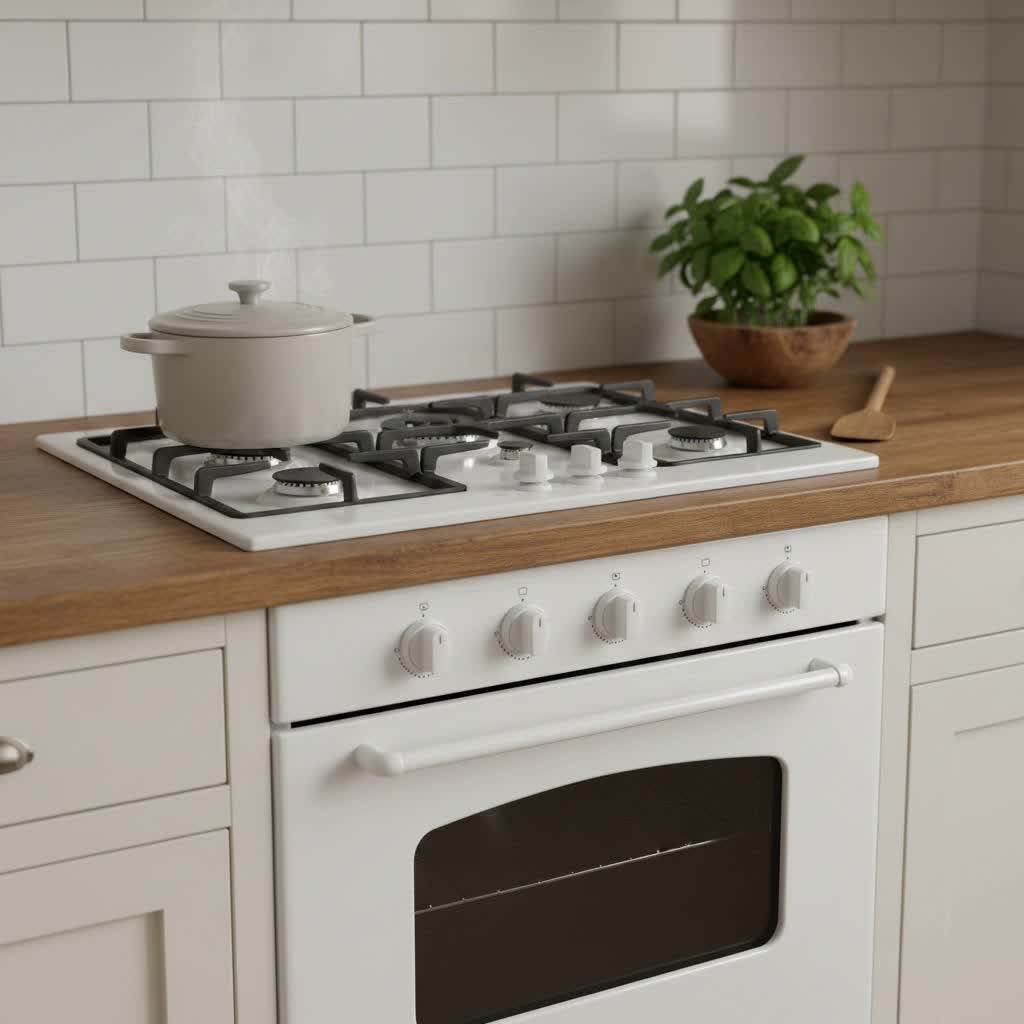
The gleaming allure of a stainless steel gas stove can elevate any kitchen, offering a professional aesthetic and robust durability that homeowners adore. Yet, this coveted finish comes with a notorious challenge: maintaining its pristine look without the dreaded smudges, fingerprints, and, most frustratingly, streaks. If you’ve ever spent precious time cleaning your stove only to be met with an uneven, hazy surface, you know the struggle is real. But what if there was a way to achieve a consistently brilliant, streak-free shine, just like the pros?

This comprehensive guide is designed to transform your cleaning routine, providing you with expert techniques and product insights to ensure your stainless steel gas stove looks immaculate every single time. We’ll demystify why streaks appear, reveal the critical role of the “grain” in stainless steel, and walk you through a step-by-step method to not just clean, but truly polish your stove to a flawless finish. Get ready to reclaim the sparkle in your kitchen and marvel at a gas stove that looks brand new.
The Allure and Challenge of Stainless Steel Gas Stoves
Stainless steel has become a cornerstone of modern kitchen design, prized for its sleek appearance, hygienic properties, and impressive resistance to corrosion and heat – qualities that make it an ideal material for hardworking appliances like gas stoves. Its polished surface reflects light, creating an illusion of spaciousness and sophistication. However, this very characteristic also makes it a magnet for every touch, spill, and speck of dust.
The moment you prepare a meal, fingerprints, grease splatters, and watermarks begin their assault on your gas stove’s surface. What often ensues is a cycle of cleaning attempts that, instead of delivering a spotless shine, leave behind a frustrating pattern of streaks. These unsightly lines can make even the cleanest kitchen look unkempt, diminishing the very elegance that drew you to stainless steel in the first place. The key to overcoming this challenge lies in understanding the material and mastering the right approach.
Unmasking Streaks: What Causes Them and How to Prevent Them
Achieving a streak-free stainless steel gas stove isn’t just about cleaning; it’s about understanding why streaks form and actively preventing them. Streaks are typically the result of several common culprits: residual cleaning agents left on the surface, mineral deposits from hard water drying unevenly, or improper wiping techniques that fail to lift dirt and polish consistently. Using the wrong tools, such as abrasive cloths or lint-shedding paper towels, can exacerbate the problem, leaving behind microscopic scratches or fibers that dull the shine.
The ultimate secret to a truly streak-free finish lies in understanding and respecting the “grain” of your stainless steel. Much like wood, stainless steel has a subtle directional pattern, or grain, which consists of faint, parallel lines on its surface. These lines can run horizontally, vertically, or even diagonally in different sections of your appliance. Wiping against this grain allows cleaning residue and grime to become trapped in these tiny crevices, leading to smudges and visible streaks. Always wiping with the grain ensures that dirt is lifted effectively and the surface is polished uniformly, preventing residue buildup and revealing the material’s natural luster. Take a moment to examine your stove closely to discern the direction of its grain before you begin cleaning.
Your Expert-Approved Step-by-Step Polishing Method for Stainless Steel Gas Stoves
Transforming your stainless steel gas stove from smudged to sparkling is a straightforward process when you follow these expert-approved steps. Consistency and attention to detail, particularly regarding the grain, are paramount for achieving a flawless, streak-free finish.
Step 1: Gather Your Arsenal
Before you begin, ensure you have all the necessary supplies readily available. The right tools are just as important as the right cleaning agents.
- Microfiber cloths: You’ll need at least two, preferably three: one for cleaning, one for rinsing/drying, and one for final buffing/polishing. Microfiber is ultra-absorbent, lint-free, and gentle on stainless steel.
- Spray bottle: Ideal for applying homemade cleaning solutions evenly.
- Cleaning solution: Choose between commercial stainless steel cleaner or a DIY option like white vinegar or mild dish soap.
- Water: Tap water for initial cleaning, and optionally, distilled water for rinsing to avoid hard water spots.
- Polishing agent (optional): Mineral oil, baby oil, or food-grade olive oil for an extra layer of shine and protection.
|
Our Picks for the Best Gas stove in 2026
As an Amazon Associate I earn from qualifying purchases.
|
||
| Num | Product | Action |
|---|---|---|
| 1 | AMZCHEF 17 Inch 3-Burner RV Gas Range with 1.24 Cu.Ft Oven, High Output Propane Stove for Mobile Home, Camper, Apartment, Stainless Steel |

|
| 2 | Vivicreate High Pressure Propane Gas Outdoor Camping BBQ Grill Stove Burner Estufas de Gas para Cocinar Afuera Es gas propano Regulator 20 PSIG |
|
| 3 | Gas One Portable Butane Camping Stove with Case: Automatic Ignition, Precise Heat Control - Camping & Tailgating and Outdoor Cooking |
|
| 4 | Vivicreate 2 Burner Propane Stove, [20000 BTU] Portable Camping Gas Cooktop with Auto Ignition, Stainless Steel Outdoor Cooker with Regulator & Hose for RV, Backyard, Camping and Emergency Use |
|
| 5 | GE 30-Inch Freestanding Gas Range with 4 Sealed Burners, Standard Clean Oven, Black |
|
| 6 | Gas One Propane Double Burner Two Burner Camp Stove Outdoor High Pressure Propane 2 Burner Adjustable PSI Regulator and 4ft Hose With Removable Legs |
|
| 7 | Horynar Propane Stove 2 Burner Gas Stove Auto Ignition 26000 BTU Tempered Glass Propane Burner LPG with CSA Hose for Outdoor Cooking, Emergency |
|
| 8 | Gas One GS-3400P Propane or Butane Stove Dual Fuel Stove Portable Camping Stove - Patented - with Carrying Case Great for Emergency Preparedness Kit |
|
| 9 | GasOne High Pressure Single Propane Burner - Outdoor Cooking with Heat Shield and Guard – Propane Burner Head for Camping, Tailgating, Seafood Boil, Home Brewing - Patented |
|
| 10 | GasOne 200K BTU Propane Burner – Heavy-Duty Propane Stove – Outdoor Burner with Adjustable 0-20Psi Regulator and Steel Braided Hose – Ideal for Home Brewing, Turkey Fry |
|
Step 2: Prepare Your Gas Stove
Safety and thoroughness begin with proper preparation. Always ensure your gas stove is completely cool to the touch before you start cleaning, minimizing the risk of burns and preventing cleaning products from baking onto the surface. Carefully remove all removable parts, such as burner grates, burner caps, and control knobs. These items should be cleaned separately, often with warm soapy water and a non-abrasive scrub brush. Once the surface is clear, use a dry microfiber cloth to wipe away any loose debris, food crumbs, or dust from the stainless steel.
Step 3: Clean with Precision
Now it’s time to tackle the dirt, grease, and fingerprints.
- Choosing Your Cleaner: For everyday grease and fingerprints, a simple solution of equal parts white vinegar and water in a spray bottle is highly effective. Alternatively, a few drops of mild dish soap mixed with warm water work wonders. If opting for a commercial stainless steel cleaner, always read and follow the manufacturer’s instructions.
- Application & Wiping: Lightly spray your chosen solution directly onto a section of the stainless steel surface or dampen a clean microfiber cloth with it. Then, using gentle, consistent pressure, wipe the surface strictly in the direction of the grain. This ensures maximum dirt removal and prevents streaks. Work in small sections to maintain control and ensure thorough cleaning.
Step 4: Rinse Thoroughly (If Using Soap or Strong Cleaners)
If you used dish soap, a baking soda paste, or a more robust commercial cleaner, a rinsing step is crucial to prevent residue buildup that can cause streaks. Dampen a fresh, clean microfiber cloth with plain water – distilled water is an excellent choice for this step, as it prevents hard water spots. Wipe the cleaned areas thoroughly, again following the grain, to remove all traces of the cleaning agent. Rinse and wring out your cloth frequently to keep it clean.
Step 5: The Crucial Buff for a Streak-Free Finish
This is arguably the most important step for achieving that elusive streak-free shine. Immediately after cleaning and rinsing, grab a completely dry, clean microfiber cloth. With light, even pressure, buff the entire stainless steel surface in the direction of the grain. The goal is to dry the surface completely and remove any lingering moisture or microscopic residue. Continue buffing until the surface is dry and visibly gleaming without any streaks or smudges. This final drying action is what truly reveals the impeccable shine of your stainless steel.
Step 6: Optional Polishing for Added Luster and Protection
For an extra layer of shine and to help repel future fingerprints and smudges, an optional polishing step can be added. Apply just a tiny amount – a few drops – of mineral oil, baby oil, or food-grade olive oil onto a third clean, dry microfiber cloth. Gently rub this cloth over the stainless steel surface, once again moving with the grain. Use another clean, dry part of the cloth to lightly buff off any excess oil. Remember, less is more; too much oil will leave a greasy residue. This step not only enhances the luster but also creates a thin, protective barrier.
Recommended Cleaning Agents for Your Stainless Steel Gas Stove
Choosing the right products is essential for a streak-free shine and to protect your appliance’s finish.
-
Everyday Heroes:
- Mild Dish Soap and Warm Water: Excellent for daily wipe-downs to remove light grease and food splatters.
- White Vinegar and Water (1:1 Ratio): A natural disinfectant and powerful degreaser that cuts through grime without harsh chemicals. Adding a few drops of lemon juice can enhance the scent. Remember to wipe it off immediately and not let it sit too long on the surface.
-
Tough Stain Tacklers:
- Baking Soda Paste: For stubborn, burnt-on food or tougher grease stains, mix baking soda with a little water to form a paste. Apply it to the stain, let it sit for 5-10 minutes, then gently scrub with a damp microfiber cloth, always following the grain. Rinse thoroughly afterwards.
- Bar Keepers Friend (Liquid): A good option for removing rust, heat discoloration, or more persistent stains. Use sparingly on a soft cloth, rub with the grain, and rinse completely to avoid residue.
-
Polishing Powerhouses:
- Mineral Oil or Baby Oil: These are highly recommended for the final polishing step as they create a beautiful, streak-free shine and offer some resistance against fingerprints. Food-grade mineral oil is particularly good for surfaces that may come into contact with food.
- Dedicated Stainless Steel Polish: Commercial polishes designed specifically for stainless steel can also provide excellent results, often offering a protective barrier.
“Many believe stainless steel is ‘stain-proof,’ but it’s more ‘stain-resistant.’ The right cleaning products, coupled with wiping with the grain, make all the difference in achieving that perfect, streak-free finish.”
Common Mistakes That Invite Streaks (and How to Avoid Them)
Even with the best intentions, certain habits can sabotage your efforts to achieve a spotless stainless steel gas stove. Avoiding these common errors is key to maintaining a brilliant, streak-free surface.
- Wiping Against the Grain: This is the most frequent culprit behind streaky results. Wiping perpendicular to the faint lines of the stainless steel’s grain pushes dirt and cleaning solution into the microscopic grooves, making it nearly impossible to achieve a uniform finish. Always identify the grain and wipe parallel to it.
- Using Abrasive Scrubbers or Harsh Chemicals: Materials like steel wool, scouring pads, or even rough sponges can permanently scratch the surface of your stainless steel, leading to dullness and making it more prone to future stains and corrosion. Similarly, harsh chemicals such as bleach, ammonia-based cleaners (like some glass cleaners), and oven cleaners can damage the protective layer of stainless steel, causing discoloration or etching. Stick to soft microfiber cloths and gentle, approved cleaners.
- Skipping the Final Drying/Buffing Step: Allowing water or cleaner to air dry is a sure way to invite water spots and streaks, especially if you have hard water. The final, thorough buff with a dry microfiber cloth is critical to remove all moisture and reveal the shine.
- Over-Applying Product: Using too much cleaning solution or polishing oil can leave a sticky, greasy residue that attracts dust and makes the surface look dull and streaky. A thin, even application is always best.
- Using Dirty or Lint-Shedding Cloths: A cloth laden with dirt, grease from previous cleaning tasks, or one that sheds lint (like paper towels) will only transfer these imperfections back onto your clean stove, creating new streaks and fuzz. Always use clean, dedicated microfiber cloths.
Maintaining the Sparkle: Longevity Tips for Your Stainless Steel Stove
A beautifully polished stainless steel gas stove doesn’t have to be a one-time achievement. With a few simple habits, you can extend its pristine condition and minimize the effort required for deep cleaning.
- Regular, Light Cleaning: Make it a habit to wipe down your stove after each use, or at least at the end of each day. A quick pass with a damp microfiber cloth (perhaps with a diluted vinegar solution) followed by a dry buff can prevent grease and food splatters from drying and becoming stubborn stains.
- Immediate Spill Cleanup: Don’t let spills sit. Address food and liquid splatters as soon as the stove is cool enough to touch. The longer they remain, the harder they are to remove without intensive scrubbing.
- Protect Against Scratches: While durable, stainless steel can scratch. Avoid dragging heavy pots and pans across the surface; instead, lift them. Also, ensure your cleaning tools are always non-abrasive.
- Consider Fingerprint-Resistant Finishes: If you’re in the market for a new gas stove, some models now feature fingerprint-resistant stainless steel coatings. These surfaces are designed to significantly reduce the appearance of smudges and make daily maintenance even easier.
By integrating these simple practices into your routine, your stainless steel gas stove will maintain its brilliant, streak-free shine for years to come, consistently enhancing the beauty and hygiene of your kitchen.
Conclusion
Achieving a perfectly polished, streak-free stainless steel gas stove might seem like a daunting task, but with the right knowledge and techniques, it’s entirely within your reach. We’ve uncovered that the secret lies not in endless scrubbing, but in a precise, three-part approach: understanding the stainless steel’s grain, selecting appropriate cleaning agents, and mastering the crucial buffing step. By consistently cleaning with the grain, utilizing gentle yet effective solutions like vinegar and water or mild dish soap, and always finishing with a dry microfiber cloth, you can eliminate frustrating streaks and smudges.
Embrace these expert tips and watch as your gas stove transforms from a source of cleaning frustration into a gleaming centerpiece of your kitchen. A well-maintained, sparkling stainless steel gas stove not only looks fantastic but also reflects a commitment to a clean and inviting home. What will be the first meal you cook on your beautifully polished stove?
Frequently Asked Questions
Can I use Windex or glass cleaner on my stainless steel gas stove?
It is generally not recommended to use Windex or other glass cleaners on stainless steel gas stoves. Many glass cleaners contain ammonia, which can damage the protective finish of stainless steel, leading to discoloration or etching over time. Stick to cleaners specifically formulated for stainless steel or natural alternatives like vinegar and water.
How often should I polish my stainless steel gas stove?
For optimal results, aim for a deep clean and polish once a week. However, quick wipe-downs with a damp microfiber cloth after each use are highly encouraged to prevent grease and food buildup, making the weekly polish much easier and more effective.
What kind of cloths are best for cleaning stainless steel without streaks?
Microfiber cloths are universally recommended as the best tool for cleaning and polishing stainless steel without leaving streaks. Their ultra-fine fibers are highly absorbent, lint-free, and gentle enough not to scratch the surface, effectively picking up dirt and buffing to a shine.
Will olive oil go rancid if I use it to polish my stove?
While olive oil can be used for polishing, it is a food product and can potentially go rancid over time if not thoroughly buffed off, which might leave a sticky residue or unpleasant odor. For a longer-lasting, non-food alternative, mineral oil or baby oil are often preferred for polishing stainless steel surfaces.
How do I remove burnt-on food from my stainless steel gas stove without scratching it?
For burnt-on food, create a paste using baking soda and water. Apply the paste directly to the affected area, let it sit for 15-30 minutes to soften the residue, then gently scrub with a soft, damp microfiber cloth or non-abrasive sponge, always moving with the grain. Rinse thoroughly and buff dry.