Imagine you’re preparing a delicious meal, and as you turn on your gas stove, you notice the flame isn’t its usual vibrant blue. Instead, it flickers with an unsettling yellow or orange hue. This isn’t just a minor cosmetic issue; the color of your gas stove flame is a critical indicator of its safety, efficiency, and overall performance. Understanding what these different flame colors mean can protect your home, your health, and even your wallet. Let’s delve into the science behind gas flames and empower you to ensure your kitchen remains a safe and effective cooking space.
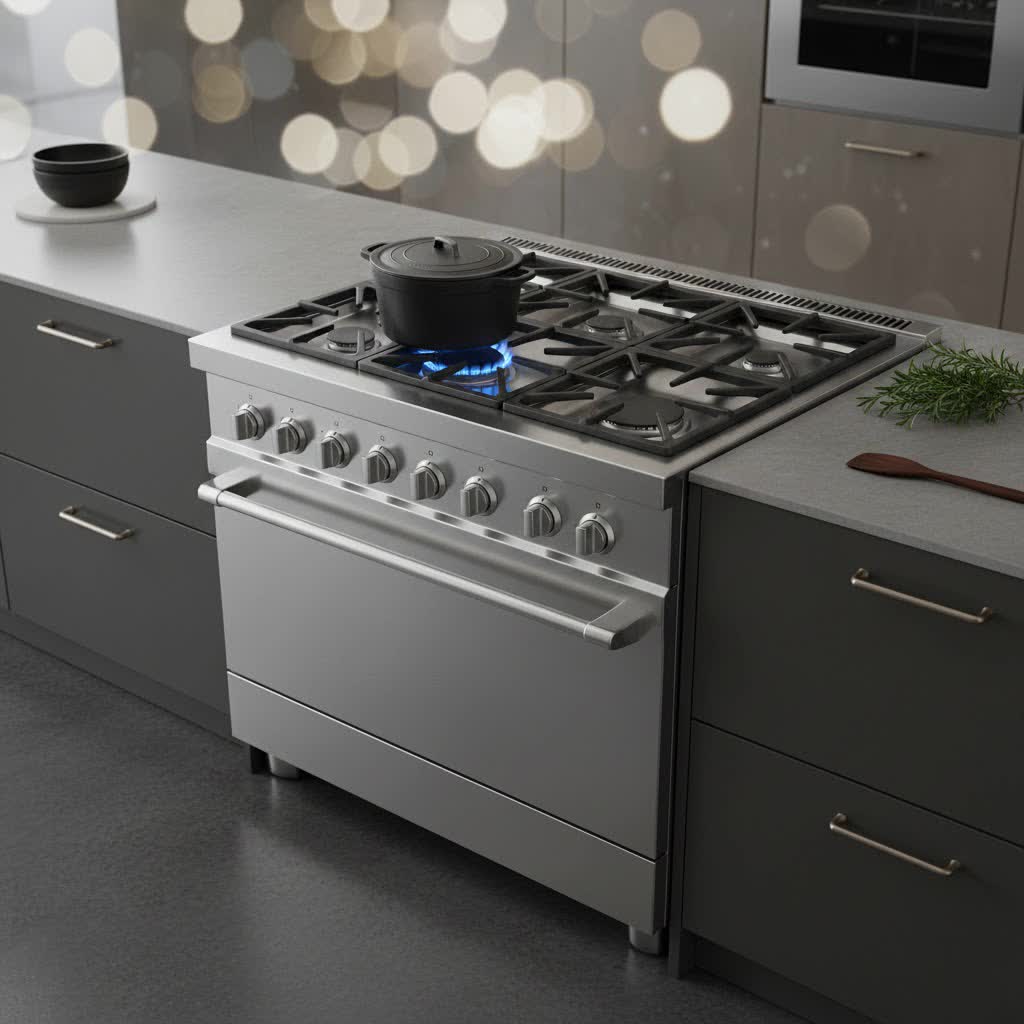
Understanding Your Gas Stove Flame
The flame on your gas stove is a tiny combustion reaction happening right in your kitchen. Its color provides immediate feedback on how well this reaction is occurring.
The Ideal Blue Flame: Safety and Efficiency at Its Best
A healthy, properly burning gas stove flame should be predominantly blue, often with a small inner light blue cone and sometimes a tiny, almost imperceptible yellow tip. This blue color signifies complete combustion, meaning the gas (whether natural gas or LPG) is mixing perfectly with an adequate supply of oxygen before ignition.
When your stove produces a steady blue flame:
- Optimal Safety: Complete combustion minimizes the production of harmful byproducts, most notably carbon monoxide (CO), a dangerous, odorless, and colorless gas.
- Maximum Efficiency: Blue flames burn at a higher temperature, typically around 1960-1980 degrees Celsius. This means more heat is generated for cooking, reducing overall gas consumption and speeding up cooking times.
- Cleaner Cookware: With complete combustion, there’s less soot produced. This prevents black residue from forming on the bottom of your pots and pans, keeping your cookware cleaner and maintaining its thermal conductivity.
- Stable Performance: A blue flame indicates a balanced gas-to-air ratio, ensuring consistent heat distribution for even cooking.
|
Our Picks for the Best Gas stove in 2026
As an Amazon Associate I earn from qualifying purchases.
|
||
| Num | Product | Action |
|---|---|---|
| 1 | Horynar Propane Stove 2 Burner Gas Stove Auto Ignition 26000 BTU Tempered Glass Propane Burner LPG with CSA Hose for Outdoor Cooking, Emergency |

|
| 2 | Vivicreate High Pressure Propane Gas Outdoor Camping BBQ Grill Stove Burner Estufas de Gas para Cocinar Afuera Es gas propano Regulator 20 PSIG |
|
| 3 | GasOne High Pressure Single Propane Burner - Outdoor Cooking with Heat Shield and Guard – Propane Burner Head for Camping, Tailgating, Seafood Boil, Home Brewing - Patented |
|
| 4 | Vivicreate 2 Burner Propane Stove, [20000 BTU] Portable Camping Gas Cooktop with Auto Ignition, Stainless Steel Outdoor Cooker with Regulator & Hose for RV, Backyard, Camping and Emergency Use |
|
| 5 | Gas One GS-3400P Propane or Butane Stove Dual Fuel Stove Portable Camping Stove - Patented - with Carrying Case Great for Emergency Preparedness Kit |
|
| 6 | GasOne 200K BTU Propane Burner – Heavy-Duty Propane Stove – Outdoor Burner with Adjustable 0-20Psi Regulator and Steel Braided Hose – Ideal for Home Brewing, Turkey Fry |
|
| 7 | AMZCHEF 17 Inch 3-Burner RV Gas Range with 1.24 Cu.Ft Oven, High Output Propane Stove for Mobile Home, Camper, Apartment, Stainless Steel |
|
| 8 | GE 30-Inch Freestanding Gas Range with 4 Sealed Burners, Standard Clean Oven, Black |
|
| 9 | Gas One Propane Double Burner Two Burner Camp Stove Outdoor High Pressure Propane 2 Burner Adjustable PSI Regulator and 4ft Hose With Removable Legs |
|
| 10 | Gas One Portable Butane Camping Stove with Case: Automatic Ignition, Precise Heat Control - Camping & Tailgating and Outdoor Cooking |
|
The Warning Sign: Yellow or Orange Flames
If your gas stove flame appears distinctly yellow or orange, or exhibits persistent pops of these colors, it’s a clear warning sign that something is amiss. This indicates incomplete combustion.
Here’s why a yellow or orange flame is a cause for concern:
- Reduced Safety: The most significant danger of a yellow flame is the increased production of carbon monoxide (CO). Incomplete combustion occurs when the gas doesn’t receive enough oxygen to burn fully, leading to the creation of toxic carbon monoxide. This gas can quickly accumulate in poorly ventilated spaces, posing a severe health risk.
- Lower Efficiency: Yellow flames burn at a significantly lower temperature, around 1000 degrees Celsius. This means your stove isn’t converting gas into heat as effectively, leading to wasted fuel, longer cooking times, and potentially higher energy bills.
- Soot Buildup: Incomplete combustion produces fine soot particles (unburnt carbon). These particles glow yellow, creating the visible flame color, and then settle on surrounding surfaces and cookware, leaving behind a greasy, black residue.
Why Your Gas Stove Flame Might Turn Yellow
Several factors can lead to incomplete combustion and a yellow flame. Identifying the cause is the first step toward a solution.
Dirty Burners and Blockages
One of the most common culprits for a yellow flame is a dirty burner. Over time, food spills, grease, dust, and other debris can accumulate in the burner ports (the small holes where the gas exits) or the igniter. These blockages restrict the crucial airflow needed for proper gas-oxygen mixing, leading to incomplete combustion.
Improper Air-to-Gas Ratio
Gas stoves are designed to operate with a precise ratio of gas to air. If this balance is disturbed, the flame color will change. An air shutter valve, usually located beneath the burner, controls the air supply. If this shutter becomes clogged, restricted, or shifts out of alignment, it can starve the flame of oxygen, resulting in a yellow hue.
Low Gas Pressure
In some cases, consistently low gas pressure can contribute to a yellow flame. If the gas flow is insufficient, it can hinder the proper mixing with ambient air, preventing complete combustion. This issue might be more complex and usually requires professional diagnosis.
Contaminated Gas or Incorrect Fittings
While less common for household stoves, impurities in the gas supply itself can affect combustion. Additionally, if a stove designed for one type of gas (e.g., natural gas) is incorrectly converted or fitted for another (e.g., LPG/propane), it can lead to an improper air-to-gas ratio and yellow flames across all burners.
“A gas flame appearing yellow or orange in color… indicates an improper ratio of oxygen for combustion. Often this improper combustion is temporary and could be caused by dust particles or a dirty burner that needs cleaning.” – Jackson Energy Authority
The Hidden Danger: Carbon Monoxide (CO)
The most serious implication of a yellow gas stove flame is the potential for carbon monoxide (CO) production. This silent killer is a grave concern for every homeowner.
What is Carbon Monoxide?
Carbon monoxide is a colorless, odorless, and tasteless gas produced by the incomplete burning of carbon-containing fuels like natural gas or propane. Because it lacks any detectable properties, it’s impossible to identify its presence without a specialized detector, making it extremely dangerous. When inhaled, CO replaces oxygen in the bloodstream, leading to cellular damage and, in severe cases, death.
Symptoms of CO Poisoning
The symptoms of carbon monoxide poisoning can often be mistaken for the flu or other common illnesses, making it even more insidious. Be vigilant for:
- Headache
- Nausea or vomiting
- Dizziness and disorientation
- Muscle weakness or fatigue
- Shortness of breath
- Sleepiness
- Chest tightness
- Confusion
A strong indicator of CO poisoning is if these flu-like symptoms are not accompanied by a fever, or if multiple people in the household experience symptoms that improve when they leave the house and worsen upon returning.
When to Act: Immediate Steps
If you suspect carbon monoxide is present in your home due to a yellow flame or any related symptoms:
- Turn off the appliance immediately.
- Open all windows and doors to ventilate the area and allow fresh air to circulate.
- Evacuate everyone from the house and get to fresh air.
- Do not re-enter until the area has been thoroughly aired out and the source of the problem has been addressed.
- Contact a qualified gas technician or your gas utility company for an immediate inspection.
Troubleshooting and Solutions for Yellow Flames
Addressing a yellow flame promptly is crucial for both safety and efficiency. Depending on the cause, you might be able to resolve it yourself or require professional assistance.
DIY Cleaning and Maintenance
For yellow flames caused by dirty burners, a simple cleaning often does the trick:
- Ensure Safety First: Always turn off the gas supply to your stove and allow the burners to cool completely before attempting any cleaning.
- Remove Burner Components: Carefully lift off the grates, burner caps, and burner heads.
- Clean Burner Parts: Wash these components in warm, soapy water. Use a soft brush or old toothbrush to gently scrub away food debris, grease, and soot, paying special attention to the small burner ports. For stubborn blockages, a straightened paper clip or needle can be used to clear the ports, but be gentle to avoid damage.
- Clean Igniter: Use a soft brush or toothbrush to clean around the igniter (the small ceramic rod that sparks) to ensure it’s free from debris.
- Dry Thoroughly: Ensure all parts are completely dry before reassembling. Moisture can interfere with ignition.
- Reassemble Correctly: Place all components back in their proper positions. Incorrect placement can also affect flame distribution.
When to Call a Professional
While cleaning can resolve many yellow flame issues, some problems demand the expertise of a qualified professional:
- Persistent Yellow Flames: If the flame remains yellow even after thorough cleaning, or if the issue affects multiple burners, it indicates a deeper problem beyond simple debris.
- Air Shutter Adjustment: Adjusting the air shutter requires specific knowledge and tools. An experienced gas technician can correctly balance the air-to-gas mixture for optimal combustion.
- Gas Pressure Issues: Problems with gas pressure or internal stove components should always be handled by a certified professional.
- New Appliance Installation or Conversion: If you’ve recently installed a new stove or converted one for a different gas type, and you observe yellow flames, it’s critical to have a professional verify the installation and settings.
- Suspected Gas Leak or CO: Any unusual gas smell, persistent yellow flames accompanied by symptoms of CO poisoning, or frequent pilot light outages are immediate reasons to call a professional for safety.
Maintaining a Healthy Blue Flame for Optimal Performance
Preventative measures are key to keeping your gas stove running safely and efficiently with a consistent blue flame.
Regular Cleaning Routine
Incorporate burner cleaning into your regular kitchen maintenance. Wiping down spills immediately can prevent stubborn buildup, and a periodic deep clean of burner components will ensure continuous airflow. This simple habit can significantly extend the life and efficiency of your appliance.
Professional Servicing Benefits
Just like your car, your gas stove benefits from professional check-ups. Schedule annual inspections with a certified gas technician. They can detect and address issues before they become serious safety hazards, ensuring your stove operates at peak efficiency and safety.
Carbon Monoxide Detectors: Your Lifeline
Even with diligent maintenance, a carbon monoxide detector is an indispensable safety device in any home with gas appliances. Install CO detectors on every level of your home, especially near sleeping areas and your kitchen. These devices provide an early warning against this invisible danger, potentially saving lives. Regularly test your detectors to ensure they are functioning correctly.
Conclusion
The color of your gas stove flame is more than just an aesthetic detail; it’s a critical indicator of your home’s safety and your appliance’s efficiency. A vibrant blue flame signals complete combustion, delivering powerful heat, optimal fuel efficiency, and peace of mind. Conversely, a yellow or orange flame demands immediate attention, as it points to incomplete combustion and the dangerous risk of carbon monoxide production. By understanding these visual cues, performing routine cleaning, and knowing when to call in a professional, you can ensure your gas stove remains a safe, efficient, and reliable workhorse in your kitchen. So, take a moment to observe your flames tonight – what color are they telling you about your stove?
Frequently Asked Questions
Is a small yellow tip on a blue flame always a cause for concern?
No, a very small, flickering yellow tip on an otherwise blue flame is generally acceptable and often indicates dust particles burning off. However, if the yellow tip is large, persistent, or if the entire flame is predominantly yellow, it signals an issue that requires attention.
Can yellow flames damage cookware?
Yes, yellow flames produce soot, which is unburnt carbon. This soot can accumulate on the bottom of your cookware, causing black stains and reducing their heat transfer efficiency. Over time, this can make your pots and pans less effective and harder to clean.
How often should I have my gas stove serviced?
It is recommended to have your gas stove, and all other gas appliances, serviced by a qualified professional at least once a year. Regular servicing helps ensure optimal performance, efficiency, and most importantly, identifies and resolves potential safety hazards like carbon monoxide production before they become critical.
